Top 10 12V Gear Motors for Global Buyers?
Choosing the right 12v Gear Motor is rarely as simple as comparing price, speed, and advertised torque.
Global buyers face different machines, climates, duty cycles, and service expectations. A motor that performs well in a compact conveyor may struggle inside an automated gate or medical positioning device. Voltage alone does not tell the full story.
Austin Hughes, author of Electric Motors and Drives, has stressed: “The choice of motor is largely determined by the application.” That principle remains useful for every purchasing team. Gear ratio, rated torque, stall torque, gearbox material, shaft design, noise, thermal limits, and controller compatibility deserve equal attention.
Small details matter.
For example, a 12V gear motor running at 30 revolutions per minute may offer strong low-speed movement. However, its output can drop sharply under continuous load. A metal gearbox may improve durability, yet increase weight and operating noise. Sealed construction can help in dusty environments, but it may also affect heat dissipation.
This guide reviews ten 12V gear motor options for global buyers. Each selection considers practical performance, application fit, supplier credibility, documentation, and long-term value. The ranking is useful, but not perfect. Specifications can change between batches, and laboratory figures rarely match every installation.
Buyers should verify datasheets, samples, mounting dimensions, current draw, and warranty terms before placing large orders. A careful decision begins with the machine, not the catalog.
12V Gear Motors: Structure, Types, and Operating Principles
Top 10 12V Gear Motors for Global Buyers
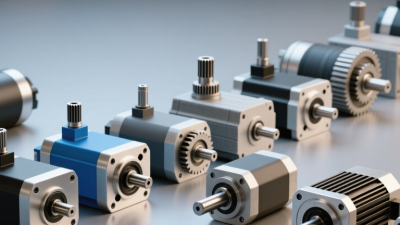
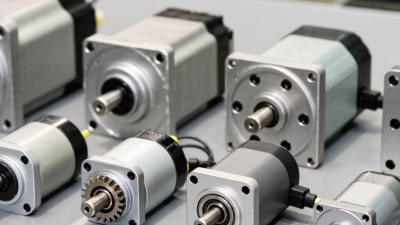
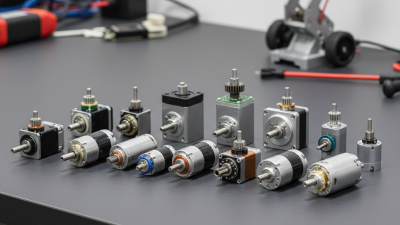
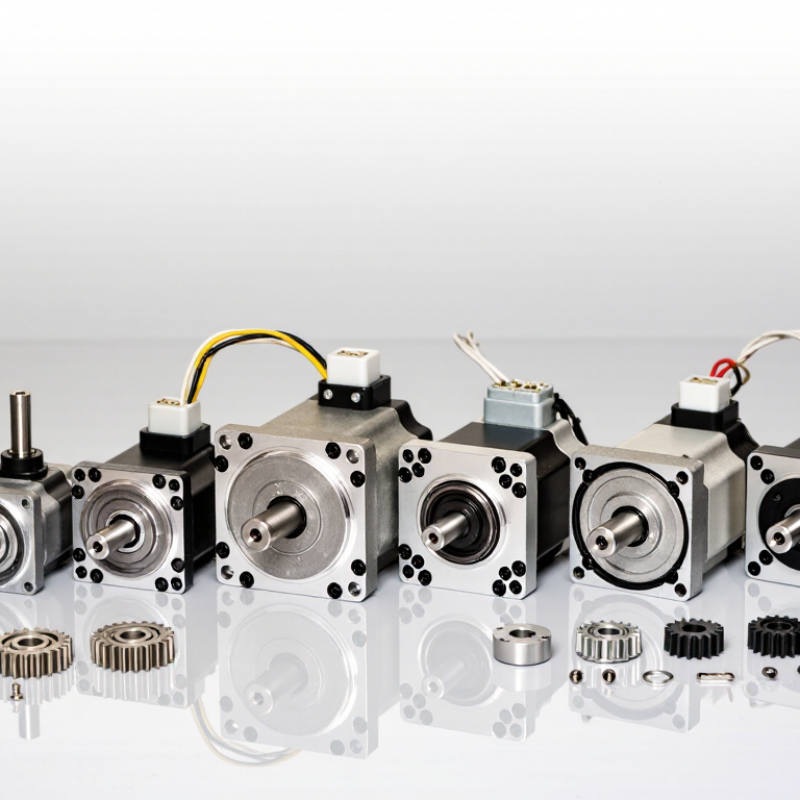
A 12V gear motor combines a permanent-magnet DC motor with a reduction gearbox. The motor creates rotational speed, while the gearbox increases usable torque. Inside, a pinion drives several reduction gears, usually inside a metal or reinforced polymer housing. Bearings support the shafts and reduce friction. Seals help protect the assembly from dust and light moisture.
Common types include spur, planetary, and worm gear motors. Spur gears are economical and efficient for moderate loads. Planetary designs provide higher torque in a compact body. Worm gears offer strong reduction and useful self-locking behavior, but they may generate more heat. Operating speed depends on voltage, load, gear ratio, and motor design. A motor rated at 60 RPM without load may slow significantly under resistance. That detail is often overlooked.
Tips:
Check rated torque, stall current, shaft diameter, and duty cycle together. Use a fuse and suitable speed controller. Measure current during real operation, not only on a workbench. Allow cooling space around the housing. Specifications can still be incomplete; suppliers should verify test conditions, noise, backlash, and temperature rise. I have found that a slightly lower speed often gives steadier movement and longer service life. Datasheets are useful. Real loads are less forgiving.
Selection Guide for Industrial, Automotive, and Robotic Uses
Top 10 12V Gear Motors for Global Buyers?
Selection Guide for Industrial, Automotive, and Robotic Uses
Choosing among ten 12V gear motors requires more than comparing advertised torque. Start with the load, shaft speed, duty cycle, and available space. A motor rated for 30 minutes may fail in continuous service. Check the gearbox ratio, stall current, backlash, and thermal limits. These details often matter more than peak power.
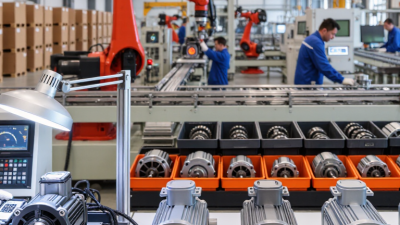
Industrial equipment usually needs steady torque, low noise, and dependable heat control. An enclosed housing helps in dusty workshops, but verify its actual protection rating. For automotive mechanisms, examine vibration resistance, temperature range, connector quality, and voltage tolerance. A vehicle’s electrical system is not perfectly stable. The motor should handle normal fluctuations without repeated stalling.
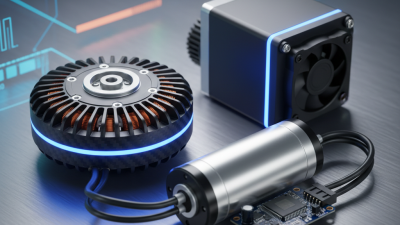
Robotic systems need precision. Low backlash supports smoother positioning, while an encoder improves feedback control. Yet higher precision can increase cost and mechanical complexity. Bench tests should measure starting torque, current draw, noise, and temperature after repeated cycles. Do not trust a single test.
A practical selection table can rank each motor by torque density, efficiency, durability, serviceability, and documentation. Confirm mounting dimensions and shaft compatibility before ordering internationally. Datasheets can be incomplete. Ask for test conditions, tolerances, and replacement-part availability. I would also leave a small safety margin, because real loads rarely behave as neatly as laboratory figures.
Top 10 12V Gear Motors for Global Buyers? - Selection Guide for Industrial, Automotive, and Robotic Uses
| Rank |
Gear Motor Configuration |
Gearbox Type |
Nominal Voltage |
Rated Output Speed |
Rated Torque |
Peak Torque |
Typical Rated Current |
Output Shaft |
Protection |
Best-Fit Applications |
| 1 |
High-Torque Planetary 12V |
Planetary, 10:1 |
12 V DC |
300 rpm |
0.80 N·m |
2.40 N·m |
4.2 A |
8 mm keyed steel shaft |
IP54 |
Mobile robots, conveyors, compact automation |
| 2 |
Heavy-Duty Worm 12V |
Worm, 50:1 |
12 V DC |
60 rpm |
4.50 N·m |
7.00 N·m |
8.5 A |
10 mm keyed steel shaft |
IP65 |
Linear actuators, gates, lifting mechanisms |
| 3 |
Low-Noise Spur 12V |
Spur, 30:1 |
12 V DC |
100 rpm |
1.80 N·m |
3.20 N·m |
5.0 A |
8 mm D-shaped shaft |
IP44 |
Office automation, access systems, light-duty machinery |
| 4 |
Encoder-Ready Planetary 12V |
Planetary, 20:1 |
12 V DC |
150 rpm |
1.50 N·m |
4.00 N·m |
5.8 A |
8 mm keyed shaft; rear encoder mount |
IP54 |
AGV drive modules, feedback-controlled robotics |
| 5 |
Compact Metal Spur 12V |
Spur, 15:1 |
12 V DC |
200 rpm |
0.65 N·m |
1.40 N·m |
2.8 A |
6 mm D-shaped shaft |
IP40 |
Instrument panels, small pumps, display mechanisms |
| 6 |
High-Reduction Worm 12V |
Worm, 100:1 |
12 V DC |
30 rpm |
5.20 N·m |
8.00 N·m |
9.6 A |
10 mm keyed steel shaft |
IP55 |
Seat adjustment, valve control, positioning equipment |
| 7 |
Automotive-Style Planetary 12V |
Planetary, 25:1 |
12 V DC |
120 rpm |
2.20 N·m |
5.00 N·m |
7.0 A |
10 mm splined shaft |
IP65 |
Vehicle accessories, shutters, latching systems |
| 8 |
Efficient Spur 12V |
Spur, 50:1 |
12 V DC |
60 rpm |
2.40 N·m |
4.20 N·m |
4.6 A |
8 mm keyed shaft |
IP54 |
Small conveyors, feeders, laboratory automation |
| 9 |
Right-Angle Worm 12V |
Worm, 30:1 |
12 V DC |
100 rpm |
2.80 N·m |
4.80 N·m |
6.4 A |
8 mm keyed shaft |
IP65 |
Space-constrained drives, doors, adjustable fixtures |
| 10 |
Micro Planetary 12V |
Planetary, 64:1 |
12 V DC |
45 rpm |
0.45 N·m |
1.00 N·m |
2.2 A |
6 mm D-shaped shaft |
IP42 |
Educational robots, camera mechanisms, medical devices |
Selection note: The specifications shown are representative reference values for common 12V DC gear-motor configurations. Actual speed, torque, current draw, duty cycle, noise, thermal limits, shaft dimensions, and ingress protection should be confirmed against the final motor datasheet before procurement.
Global Buying Factors: Quality, Compliance, Shipping, and Support
Choosing a 12V gear motor requires more than comparing torque and price. Global buyers should examine gear materials, winding quality, noise levels, and expected service life. A useful test includes repeated starts, load changes, and several hours of continuous operation. Check whether the motor maintains speed under realistic conditions. Datasheets can look impressive, but application testing reveals weaknesses.
Compliance also matters. Ask for voltage, insulation, safety, and electromagnetic compatibility documentation relevant to the destination market. Confirm that certificates match the exact motor model, not a similar product. Shipping needs equal attention. Protect motors against moisture, impact, and loose packaging. Clarify delivery terms, customs responsibilities, spare parts, and replacement procedures before payment. Delays often begin with unclear paperwork.
Tips: Request a sample batch. Measure current, torque, temperature, and noise. Keep test records. Ask suppliers about production inspections and traceability. Technical support should provide wiring guidance, troubleshooting steps, and realistic response times. Remote support is helpful, though it cannot replace failed parts quickly. No checklist is perfect. Buyers should revisit their requirements after field testing, because actual loads may differ from laboratory figures. A slightly higher initial cost can reduce downtime, but only when the evidence supports it.