How to Choose the Right DC Motor for Your Application?
Choosing the right DC motor begins with the application, not the product catalogue. A motor that spins smoothly on a workbench may stall under a real conveyor load. The Electric Motor Dc Motor selection process must consider speed, torque, voltage, duty cycle, and available space. These details decide whether a system runs reliably or overheats after several hours.
In practical installations, engineers often measure the load at startup, not only during normal operation. A small gearmotor may need much higher torque to move a heavy belt from rest. A fan, pump, robot joint, and battery-powered tool also demand different motor characteristics. Brushed motors can offer simple control and lower initial cost. Brushless designs usually provide longer service life and quieter operation, but they require suitable electronic control.
Thermal conditions matter.
Check the mounting area, airflow, ambient temperature, and expected operating time. A motor rated for intermittent use should not quietly become a continuous-duty motor. That mistake is common. I have also seen selections based only on rated horsepower, while shaft load and acceleration were ignored. The result was vibration, current spikes, and premature failure.
This guide explains how to compare motor types, calculate basic requirements, and review manufacturer data responsibly. Specifications can vary between suppliers, so confirm test conditions and tolerances before ordering. There is no perfect motor for every project. The best choice balances performance, efficiency, cost, maintenance, and future operating conditions. A careful selection today can prevent an expensive redesign tomorrow.
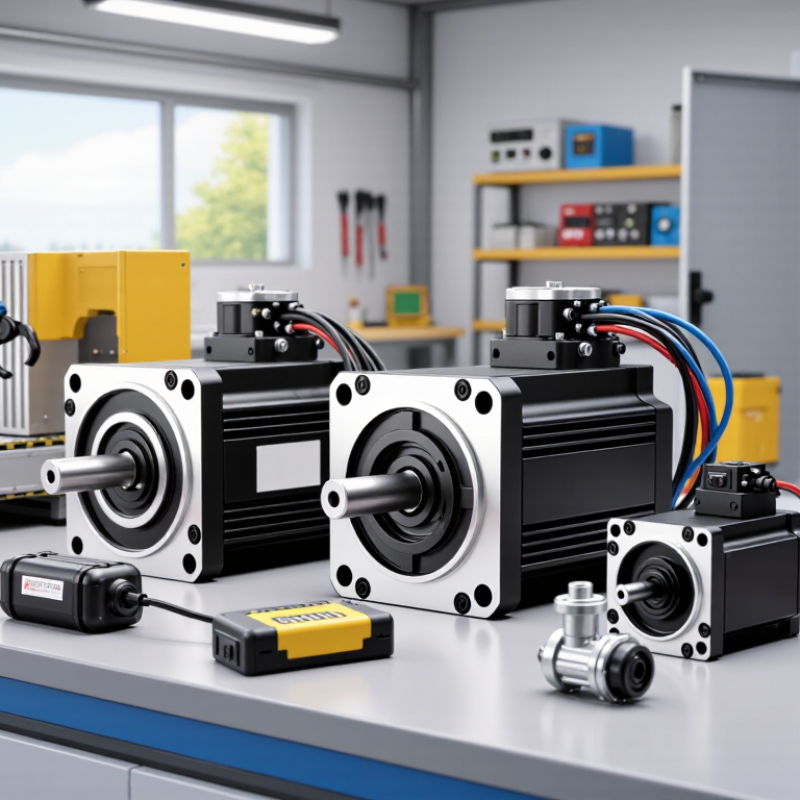
Understanding DC Motor Types and Operating Principles
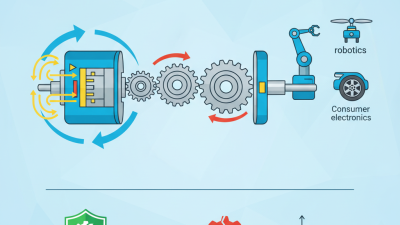
Choosing a DC motor starts with its operating principle, not its catalogue speed. Current flows through conductors inside a magnetic field, creating electromagnetic torque. In brushed motors, mechanical brushes switch current direction. This design is simple, responsive, and inexpensive, but brushes wear and create maintenance points. Brushless DC motors use electronic commutation instead. They usually offer longer service life, quieter operation, and better efficiency, but require a suitable controller and position feedback.
Motor choice affects more than motion. The International Energy Agency reports that electric motor systems consume more than 40% of global electricity and about 70% of industrial electricity. A small efficiency difference can become a large operating cost. The U.S. Department of Energy’s industrial assessment estimated that motor systems used roughly 679 billion kilowatt-hours annually in U.S. manufacturing. That figure makes proper sizing difficult to dismiss. Oversizing can waste energy, while undersizing may cause overheating, voltage drop, and early failure.
Match continuous torque, peak torque, speed range, voltage, duty cycle, and ambient conditions. A conveyor needs steady torque. A robotic joint may need rapid reversals and controlled holding force. PWM changes average voltage and speed, but it cannot correct a poorly sized motor. Check starting current, gearbox losses, controller limits, and cooling space. I have seen applications judged only by rated horsepower. That shortcut often fails. Real loads are less predictable than spreadsheets suggest. Allowing measured headroom is usually wiser than chasing a perfect theoretical fit.
Matching Motor Voltage, Speed, Torque, and Power Requirements
How to Choose the Right DC Motor for Your Application?
Matching Motor Voltage, Speed, Torque, and Power Requirements
Choosing a DC motor starts with the real operating conditions, not the catalog headline. Measure the available voltage, required shaft speed, load torque, and duty cycle. A 12-volt supply does not automatically require a 12-volt motor. Voltage should match the controller and battery range, including charging peaks and wiring losses. Allowing a practical voltage margin can prevent unstable performance.
Speed ratings often show no-load conditions. Your motor may slow sharply after connecting a belt, fan, wheel, or pump. Check speed under the expected load. Torque is equally important during startup. A motor must overcome friction, static load, and acceleration demand. Stall torque can help with selection, but continuous operation near stall creates excessive heat. It is a warning, not a target.
Power connects these values: mechanical power depends on torque and rotational speed. Current demand rises when the motor works harder, so the power supply and controller need suitable continuous and peak ratings. In field testing, I have seen motors pass brief trials but overheat after ten minutes. That exposed a missed duty-cycle requirement. Add thermal checks, mechanical losses, and a reasonable safety factor. Still, oversizing can reduce efficiency, increase cost, and make speed control less responsive. The best choice may require another measurement after installation, because real loads rarely behave exactly like bench tests.
How to Choose the Right DC Motor for Your Application?
Matching motor voltage, speed, torque, and power requirements
Each bubble represents a representative DC motor operating point. Voltage is shown on the horizontal axis, rated mechanical power on the vertical axis, bubble size represents continuous torque, and the tooltip displays speed. Select a motor whose voltage matches the available supply and whose speed, torque, and power exceed the application requirements with an appropriate safety margin.
Evaluating Load Characteristics, Duty Cycle, and Operating Conditions
Choosing the right DC motor starts with the load, not the motor catalogue. Estimate starting torque, running torque, speed, and acceleration time. A conveyor carrying 12 kilograms may need far more torque during startup than during steady movement. Measure the real load when possible. Guessing can create expensive surprises.
Duty cycle strongly affects motor life. A motor running continuously for eight hours needs different thermal capacity than one operating for ten seconds each minute. Check the on-time, rest time, starts per hour, and reversing frequency. Leave headroom. Too much margin can also reduce efficiency and waste space. In practical testing, a motor may meet its rated torque but still overheat inside a small enclosure.
Operating conditions deserve equal attention. Record supply voltage, ambient temperature, humidity, dust exposure, mounting position, and available airflow. A motor tested at room temperature may behave differently near a hot machine. Gear friction, bearing wear, and voltage drop through long cables can reduce delivered performance. A spreadsheet can look convincing and still mislead you. Build a prototype, monitor current and surface temperature, and repeat the test under the worst expected conditions. My early selections focused too heavily on speed; the overlooked starting load caused unstable motion and repeated controller trips. Judge performance from measured evidence, not ratings alone.
Selecting Gearboxes, Controllers, Feedback, and Mounting Options
How to Choose the Right DC Motor for Your Application?
A DC motor rarely works alone. Its gearbox must match the required speed, torque, and operating cycle. Calculate load torque at the shaft, then include starting torque and friction. A gearbox ratio can increase torque, but it also reduces output speed and efficiency. For positioning tasks, choose low backlash. For conveyors, durability and continuous-duty ratings may matter more. In practical testing, a motor that looks powerful on paper can overheat under repeated starts. Leave a sensible thermal margin.
The controller must handle the motor’s startup current, not only its average current. Check voltage range, braking needs, speed control, and enclosure conditions. Pulse-width control offers smooth adjustment, but poor tuning can create noise or vibration. Feedback changes the decision. Hall sensors suit basic speed measurement, while encoders provide more precise position data. Use feedback when the load changes or missed movement is costly. Simple systems may not need it. That choice deserves honest review.
Mounting details often cause late problems. Confirm flange dimensions, shaft diameter, shaft length, and bolt spacing before ordering. Check cable direction and maintenance access near the motor. A rigid mount limits vibration, but a slightly flexible coupling can protect the gearbox from alignment errors. This part is easy to underestimate. I have seen a correct motor fail because the bracket flexed during acceleration. Draw the interface, measure twice, and test the complete assembly under real load.
Comparing Efficiency, Reliability, Cost, and Maintenance Needs
How to Choose the Right DC Motor for Your Application?
Comparing Efficiency, Reliability, Cost, and Maintenance Needs
Selecting a DC motor requires more than matching voltage and speed. Check the load profile, starting torque, duty cycle, and operating temperature. A motor running near its limit may overheat, even when its rated power appears sufficient. Efficiency matters most during long operating hours. A small efficiency gain can reduce energy use and enclosure heat.
Reliability depends on construction and working conditions. Brushed motors can offer simple control, but their brushes wear over time. Brushless designs usually require more complex electronics, yet they can reduce routine maintenance. Inspect bearing quality, dust protection, shaft alignment, and cooling paths. In practical testing, vibration and repeated starts often reveal weaknesses earlier than a short bench test. Cost is not only the purchase price. Include controllers, replacement parts, downtime, and technician labor. The cheaper option may become expensive.
Tips: Record real operating data before choosing. Measure current during startup and under peak load. Compare supplier datasheets with independent test results when possible. Leave thermal and torque margins, but avoid excessive oversizing. An oversized motor can run inefficiently at light loads. Maintenance access also matters; a difficult-to-reach motor may delay simple repairs. I would not treat every calculation as final. Real machinery has friction, misalignment, and changing loads, so review the selection after field testing.