Top 10 High Torque Dc Electric Motors for Global Buyers?
In today's competitive market, selecting the right High Torque DC Electric Motor can be a daunting task. With various options available, buyers must consider efficiency, durability, and application suitability. High Torque DC Electric Motors are essential for industries that require powerful performance, like robotics or manufacturing.
These motors deliver superior torque, allowing for heavy loads and intricate movements. Buyers should evaluate specifications such as voltage, speed, and size to ensure compatibility with their systems. However, not all products are created equal. Quality varies significantly, making it crucial to research and examine user reviews.
Many brands promise high performance, but claims can sometimes be misleading. Consumers must identify trustworthy suppliers that stand behind their products. Knowledgeable insights and thorough comparisons can help buyers make informed choices, ensuring that they invest in reliable motors that meet their exact needs.
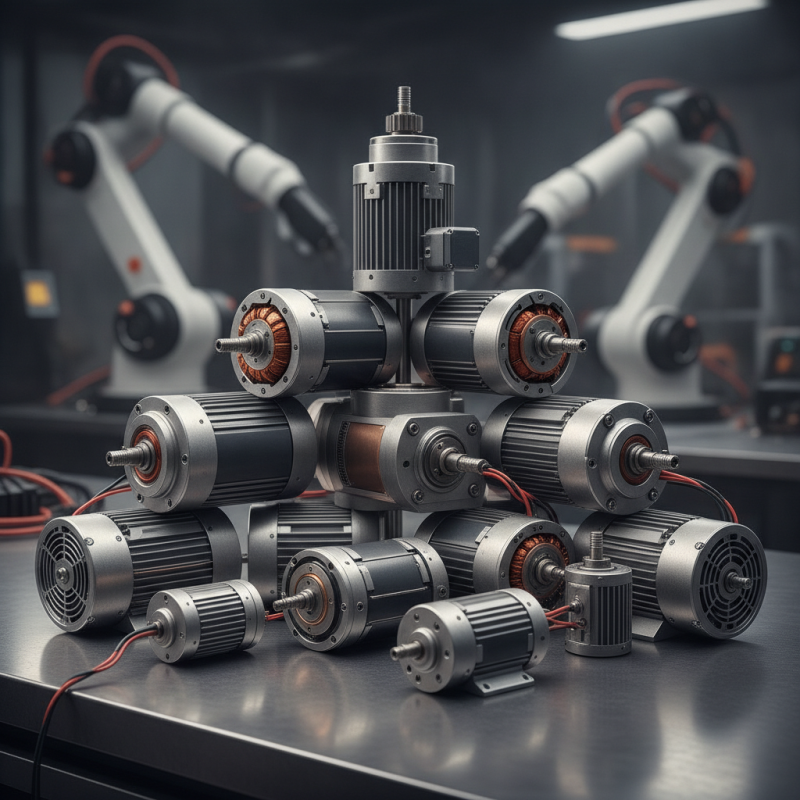
Introduction to High Torque DC Electric Motors
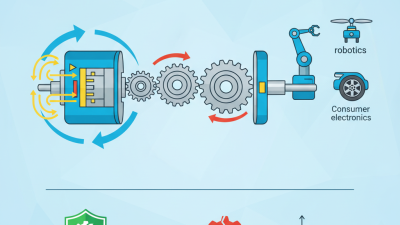
High torque DC electric motors play a crucial role in modern industries. They are designed to deliver significant rotational force at low speeds. This capability makes them ideal for applications that require high starting torque. Consider equipment like cranes, conveyor systems, and robotic arms. These motors can handle heavy loads with ease, ensuring smooth operation.
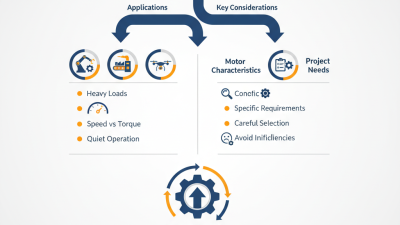
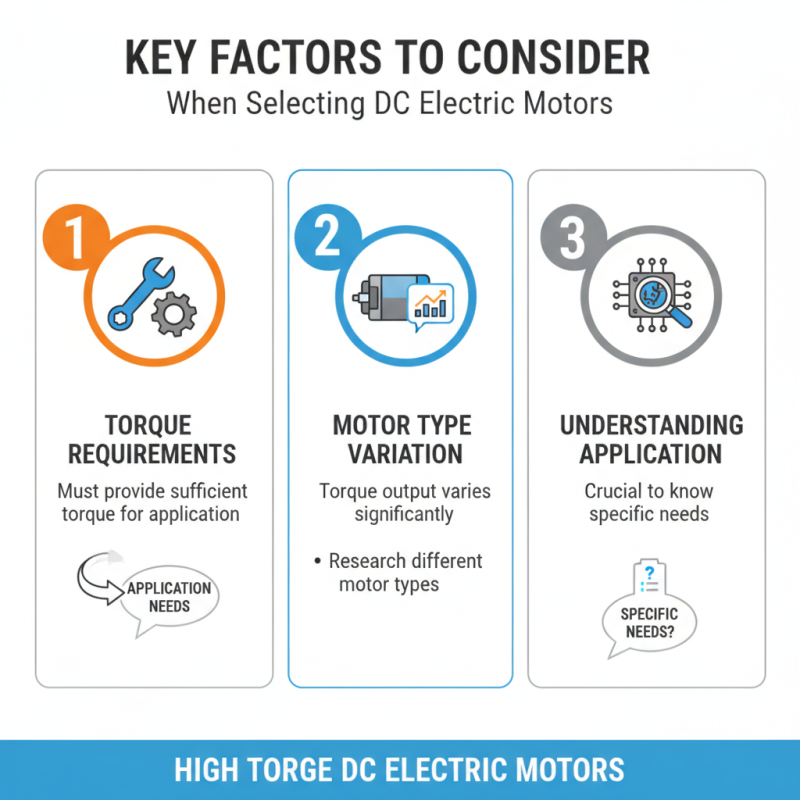
Choosing the right motor is not straightforward. It involves understanding the application requirements. Factors like weight, speed, and energy efficiency come into play. Engineers often face the challenge of balancing torque and speed. It requires expertise and experience to select the most suitable motor.
A motor that excels in one aspect might fall short in another. Reliability is key when selecting a high torque DC motor. It’s essential to consider the motor’s duty cycle and operating conditions. Not all motors are built for continuous use. Some may overheat or wear out quickly under constant load. Experimentation and testing can help identify the best options.
Real-world performance often differs from theoretical specifications. This is a field where careful consideration makes a difference in achieving success.
Applications of High Torque DC Electric Motors in Various Industries
High torque DC electric motors play a crucial role across various industries. These motors provide significant power in compact designs, meeting the demands of applications from robotics to automotive sectors. Their ability to deliver sustained torque makes them ideal for heavy-duty tasks. Delving deeper, industries using these motors include manufacturing and agriculture, where precision and reliability are paramount.
In manufacturing, high torque motors drive conveyor belts and heavy machinery. They ensure consistent motion and efficient production. In agriculture, these motors help in automated systems that operate machinery like harvesters. The continuous torque supply is vital for operations that require heavy lifting or precise movements.
However, reliance on these motors can present challenges. Maintenance often requires expert knowledge. Additionally, performance can vary based on the power supply and load conditions. These factors must be considered when integrating high torque DC motors into systems. Industrial users should evaluate their specific needs to harness the full potential of these motors effectively.
High Torque DC Electric Motors: Output Torque vs. Applications
This chart illustrates the output torque of high torque DC electric motors used in various industries. The data reflects applications in robotics, automotive, manufacturing, and more, showcasing the importance of torque in performance optimization.
Comparison of Performance Metrics for Leading DC Electric Motors
When selecting high torque DC electric motors, performance metrics become paramount. Torque, speed, and efficiency are critical factors in assessing a motor's capability. According to industry reports, a high torque rating can significantly enhance a motor's load handling. Motors with torque ratings above 1.5 Nm at lower speeds are proving to be effective in industrial applications.
Efficiency ratings commonly fluctuate between 70% to 90% across various models. This variation often influences systems relying on continuous operation. An efficient motor reduces energy costs and improves overall productivity. However, higher efficiency often comes with increased complexity in design. It is important to weigh the benefits of efficiency against potential maintenance challenges.
Another essential metric to consider is the motor's thermal rating. Many models operate effectively up to temperatures of 120°C. High temperatures can compromise performance and lifespan. Documentation from several industry leaders emphasizes the importance of proper thermal management. Failing to address this can lead to unexpected downtime. Users should always consider these critical metrics before making a selection.