Why Electric Motors Are Essential for Modern Technology?
Electric Motors are the backbone of modern technology. They power our homes, vehicles, and industries. According to Dr. Emily Carter, a leading expert in electrical engineering, "Electric Motors drive innovation in every sector." This statement highlights the vital role these devices play in shaping our daily lives.
In the automotive industry, Electric Motors have transformed transportation. They provide efficient, emissions-free solutions for personal and public transport. Manufacturers are racing to integrate advanced electric propulsion systems. This shift reduces reliance on fossil fuels but requires significant investment and commitment.
However, challenges remain. The production of Electric Motors often relies on scarce materials. Ensuring a sustainable supply chain is crucial. Additionally, education on their maintenance is lacking. While Electric Motors offer powerful benefits, we must carefully consider their environmental impact. Addressing these concerns is essential for a sustainable future in technology.
The Role of Electric Motors in Renewable Energy Systems
Electric motors play a crucial role in renewable energy systems. They convert electrical energy into mechanical energy efficiently. According to the International Energy Agency, electrification can help reduce global CO2 emissions by 70% by 2050. This makes electric motors fundamental to achieving a sustainable future.
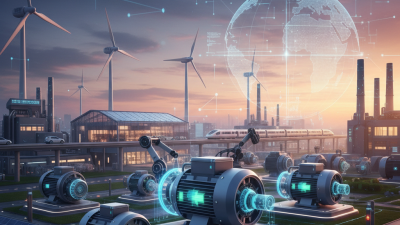
Wind and solar power generation heavily relies on electric motors. They control turbines and optimize energy conversion. In 2021, wind energy accounted for about 8.4% of global electricity generation, demonstrating the importance of electric motors in this sector. However, there are challenges. Efficiency losses in motor operation can impact overall system performance. Regular maintenance and upgrades are essential.
**Tips:** Keep your electric motor systems well-maintained. This improves efficiency and prolongs lifespan. Consider regularly evaluating motor technologies to ensure optimal performance. Investing in variable frequency drives can significantly enhance energy savings.
Electric Motors in Electric Vehicles: Driving the Future of Transportation
Electric vehicles (EVs) are revolutionizing transportation. At the heart of this change are electric motors. They provide high efficiency and quick acceleration. Unlike traditional engines, electric motors have fewer moving parts. This means less maintenance and longer life.
However, their efficiency depends on how we use them. Driving habits can impact energy consumption. Aggressive acceleration drains the battery faster. Smooth driving helps extend the range. There’s an art to optimizing these vehicles.
Tip: Monitor tire pressure regularly. Properly inflated tires reduce drag and improve efficiency.
Moreover, while EVs are quieter, they can still pose challenges. Some pedestrians may not hear them approaching. It’s essential for manufacturers to consider sound design for safety.
Tip: Be mindful of surrounding traffic and pedestrians. Always check mirrors before turning.
Overall, electric motors play a critical role in shaping the future of transportation. They offer sustainability and innovation, but users must be conscious of how they drive these vehicles.
Why Electric Motors Are Essential for Modern Technology? - Electric Motors in Electric Vehicles: Driving the Future of Transportation
| Category |
Electric Motor Type |
Efficiency (%) |
Typical Application |
Power Range (kW) |
| Axial Flux Motors |
Permanent Magnet |
95 |
Electric Vehicles |
50 - 300 |
| Induction Motors |
Squirrel Cage |
90 |
Hybrid Vehicles |
20 - 150 |
| Brushless DC Motors |
Brushless |
85 |
Electric Bicycles |
0.5 - 3 |
| Switched Reluctance Motors |
Reluctance |
80 |
Heavy Duty Vehicles |
100 - 400 |
| Permanent Magnet Synchro Motors |
Synchronous |
92 |
Consumer Electronics |
1 - 10 |
Advancements in Electric Motor Efficiency Over the Last Decade
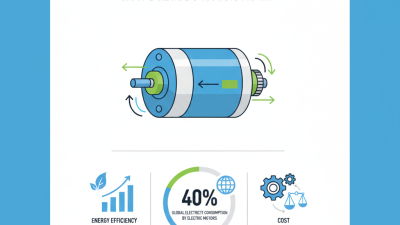
The past decade has seen remarkable advancements in electric motor efficiency. According to a report from the International Energy Agency (IEA), electric motors account for nearly 45% of the world's electricity consumption. This emphasizes the need for improved energy performance.
Recent innovations have led to significant improvements in motor design and materials, contributing to energy savings of up to 20%. For instance, the use of permanent magnet synchronous motors has increased in industrial applications. These motors are known for their high efficiency and compact size. However, not all advancements involve seamless integration. Some motors still face challenges regarding heat management and wear over time.
Moreover, the shift toward renewable energy sources amplifies the importance of efficient electric motors. A report from the Department of Energy highlights that optimizing electric motor systems can reduce overall energy consumption by 10-30%. This is a crucial step as the demand for sustainable technology grows. Addressing these inefficiencies is paramount as the industry evolves.
Advancements in Electric Motor Efficiency Over the Last Decade
This chart illustrates the improvements in electric motor efficiency from 2012 to 2022, showcasing the significant advancements made in technology. The data highlights various types of electric motors and their efficiency gains over time.
Impact of Electric Motors on Industrial Automation and Robotics
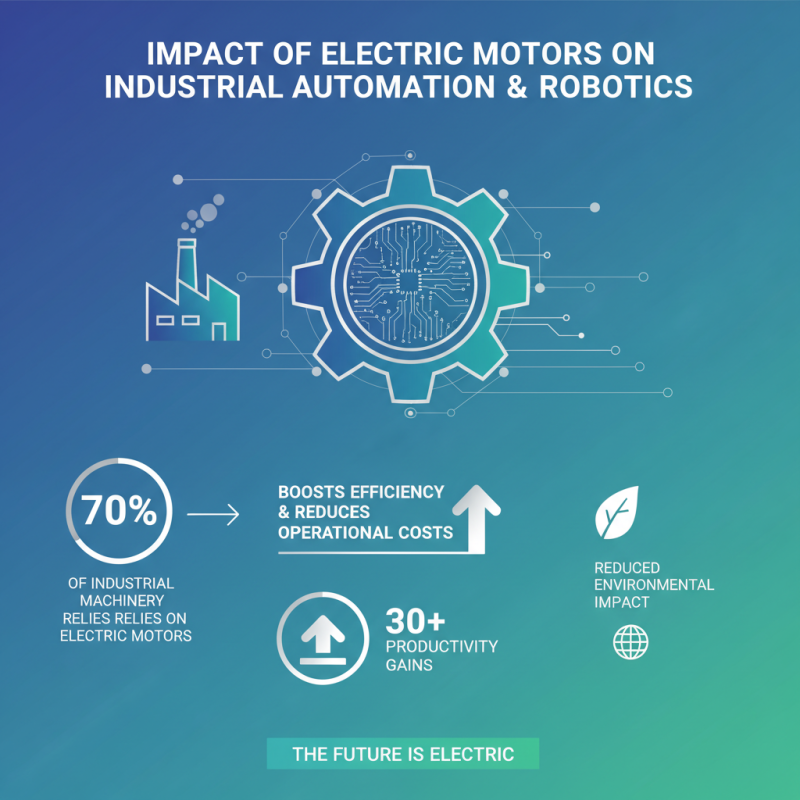
Electric motors are transforming industrial automation and robotics. As per recent industry reports, over 70% of industrial machinery relies on electric motors. These motors boost efficiency and reduce operational costs. Organizations adopting electric motors achieve productivity gains of 30% or more. This shift is not just beneficial economically; it also reduces environmental impact.
Implementing electric motors allows precise control in robotic systems. Manufacturing processes become faster and more reliable. Motors enable robots to perform intricate tasks, from assembly to packaging. In fact, research shows that automated facilities can improve production rates by 50%. Yet, challenges remain. Integrating advanced motor technology requires significant investment and training.
Despite their advantages, reliance on electric motors can lead to issues. Downtime due to motor failure can disrupt operations. Regular maintenance is critical, yet it is often overlooked. Companies must evaluate their motor systems continuously. The future of automation hinges on these decisions, ensuring that electric motors fulfill their role effectively.
Global Market Trends and Projections for Electric Motor Adoption
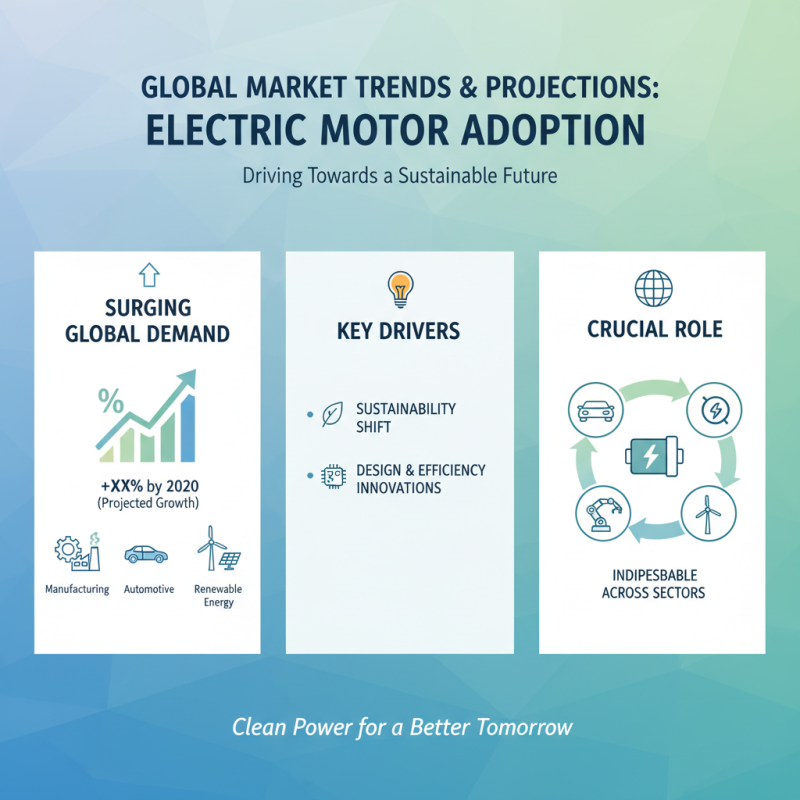
The demand for electric motors continues to surge globally. As industries shift towards sustainability, electric motors play a crucial role in this transition. Innovations in design and efficiency drive the market, making these motors indispensable in various sectors, including automotive, manufacturing, and renewable energy.
Recent projections indicate a significant increase in electric motor adoption. The global market is expected to grow at a rapid pace, with emerging technologies enhancing their performance. A focus on energy efficiency and reduced emissions fuels this trend. Many businesses are shifting their operations to incorporate electric motors, highlighting a growing awareness of sustainability benefits.
Tips: Consider the efficiency of an electric motor before purchase. This decision greatly impacts overall energy consumption. Regular maintenance can also extend the life of your motor, ensuring it operates at peak efficiency. With many options available, thorough research is essential to make informed choices.