How to Choose the Best DC Motor BLDC for Your Project?
Choosing the right DC Motor BLDC for your project is crucial. According to John Smith, an industry expert at Tech Motors, "Selecting an appropriate DC Motor BLDC can define the success of your application." He emphasizes understanding both performance and efficiency aspects.
DC Motor BLDCs are known for their high reliability and efficiency. However, the variety in specifications can be overwhelming for designers. Each project may have unique requirements that demand careful consideration. Knowing the torque, speed, and size needed is vital.
Many overlook the importance of compatibility with existing systems. This can lead to misaligned expectations. It's essential to avoid rushing into a decision. Taking the time to evaluate all options can yield better results. An informed choice today leads to long-term benefits in performance and durability.
Understanding the Basics of Brushless DC (BLDC) Motors
Brushless DC (BLDC) motors have become a staple in various applications due to their efficiency and reliability. They operate without brushes, reducing wear and tear. The absence of brushes means lower maintenance and a longer lifespan. Industry reports indicate that the market for BLDC motors is expected to grow by over 10% annually, highlighting their increasing importance in sectors like robotics and automotive.
Understanding the fundamental advantages of BLDC motors is crucial for any project. They provide high torque at low speeds, making them ideal for applications like drones and electric vehicles. Additionally, they offer better thermal management compared to brushed counterparts. However, the initial cost of BLDC systems may deter some users. The average price can be significantly higher, raising questions about cost-effectiveness in certain scenarios.
When selecting a BLDC motor, parameters such as voltage, speed, and torque ratings should not be overlooked. Also, the controller's compatibility with the motor greatly influences performance. A mismatch can lead to inefficiency and operational issues. Exploring these factors in detail helps ensure optimal integration into specific applications, preventing potential setbacks and encouraging better project outcomes.
Key Specifications to Consider When Selecting a BLDC Motor
When selecting a Brushless DC (BLDC) motor, several key specifications demand careful consideration. First, the voltage rating is crucial. Most applications require motors rated between 12V to 48V. Ensuring compatibility with your power supply is essential. For instance, using a 24V BLDC motor with a 12V supply can lead to poor performance.
Another important specification is the motor's torque and speed. Torque determines the load the motor can handle, while speed affects how quickly it can operate. According to industry reports, low-torque motors are suitable for applications like fans, while high-torque motors suit robotics and conveyor systems.
**Tip:** Always define your project needs first. This helps in choosing the right torque and speed ratings.
Efficiency is another factor to assess. High-efficiency models can reduce power consumption significantly. Some BLDC motors achieve efficiencies above 90%, leading to lower operational costs over time. This efficiency could offset higher initial investments in quality motors.
**Tip:** Look for efficiency ratings specified in datasheets before buying. They can greatly influence your project's long-term viability.
Finally, consider the duty cycle. This specification indicates how long a motor can run without overheating. Understanding thermal limits is vital for reliability. Proper selection based on these specifications ensures optimal performance and durability in your project.
Evaluating the Application Requirements for Your Project
When selecting a BLDC motor for your project, understanding application requirements is crucial. The first step is to assess the load characteristics. Heavy loads demand higher torque, impacting motor choice. According to a report by the International Electrotechnical Commission, torque requirements can range significantly across applications, affecting efficiency and performance.
Next, evaluate the speed range needed for your application. Different projects require unique speed profiles. For instance, industrial automation often necessitates precise control at various speeds. Reports indicate that a motor's efficiency can drop sharply outside its optimal speed range. Therefore, matching your motor's speed capabilities to project needs is vital.
It's equally important to consider environmental conditions. Motors must often withstand extreme temperatures or humidity. ANSI/IEEE standards highlight the significance of environmental resilience in motor performance. This is an aspect that should not be overlooked. Neglecting these details can lead to failures. Therefore, identifying and reflecting on application-specific circumstances is essential in making an informed choice.
Comparing Different Types of BLDC Motors on the Market
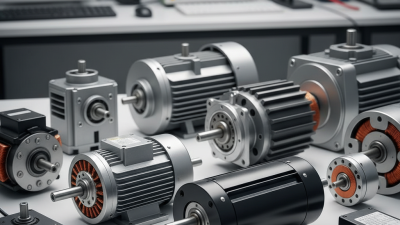
When selecting a BLDC motor for your project, understanding the types available is crucial. There are different designs: inner rotor and outer rotor configurations. Inner rotor motors are compact and offer high speeds, while outer rotor motors provide better torque. Your choice should depend on the specific needs of your application.
Tips to consider include the motor's efficiency and power rating. High efficiency can save energy and reduce heat. Think about the environment where the motor will operate. Will it face high temperatures or humidity? These factors play a significant role in performance and longevity.
Additionally, consider the controller compatibility. Ensuring that the motor's controller matches your system can prevent future technical challenges. Some users overlook this detail, leading to integration issues. It’s also beneficial to read reviews and user feedback. Peer experiences can reveal potential pitfalls and advantages.
Budgeting and Sourcing Considerations for BLDC Motors
When budgeting for BLDC motors, understanding the total cost is crucial. This includes not only the motor's price but also associated expenses. Consider costs for controllers, connectors, and installation. These add up quickly, impacting your overall budget. It's wise to create a comprehensive list of all components needed for your project. This ensures you don’t overlook essential elements.
Sourcing BLDC motors can be a complex task. Keep in mind that quality should be prioritized over price. Cheaper options may lead to unexpected failures, which could derail your project. Look for suppliers with a solid reputation and proven track records. Reviews from fellow engineers can offer valuable insights. Engage with online forums to gauge others' experiences.
You might find that local distributors provide better support. They can offer quick assistance and maintenance tips. However, do not dismiss overseas suppliers entirely. Often, they present competitive pricing. Just remember to account for additional shipping and customs costs. Reflecting on your choices can lead to better decisions in the long run.