What is the Difference Between DC Motor and BLDC Motor?
Understanding the intricacies of electric motors is essential for both engineers and enthusiasts. Among these, the DC Motor and BLDC (Brushless DC) Motor stand out due to their distinct operational principles and applications. A DC motor relies on brushes and commutators for operation, creating friction that can lead to wear over time. In contrast, BLDC motors use electronic controllers, offering a smoother performance and reduced maintenance needs.
The efficiency of a BLDC motor often surpasses that of a traditional DC motor. This enhanced efficiency, coupled with a longer lifespan, makes BLDC motors popular in modern applications like electric vehicles and drones. However, the complexity of the electronic control system can be a hurdle for some users. It’s worth reflecting on whether the investment in a BLDC motor aligns with specific project requirements.
Comparing DC Motor and BLDC technologies provides valuable insights. Each motor type presents its own set of advantages and challenges. As technology evolves, understanding these differences becomes increasingly important for making informed decisions in engineering and design.
What is a DC Motor? Key Features and Common Applications
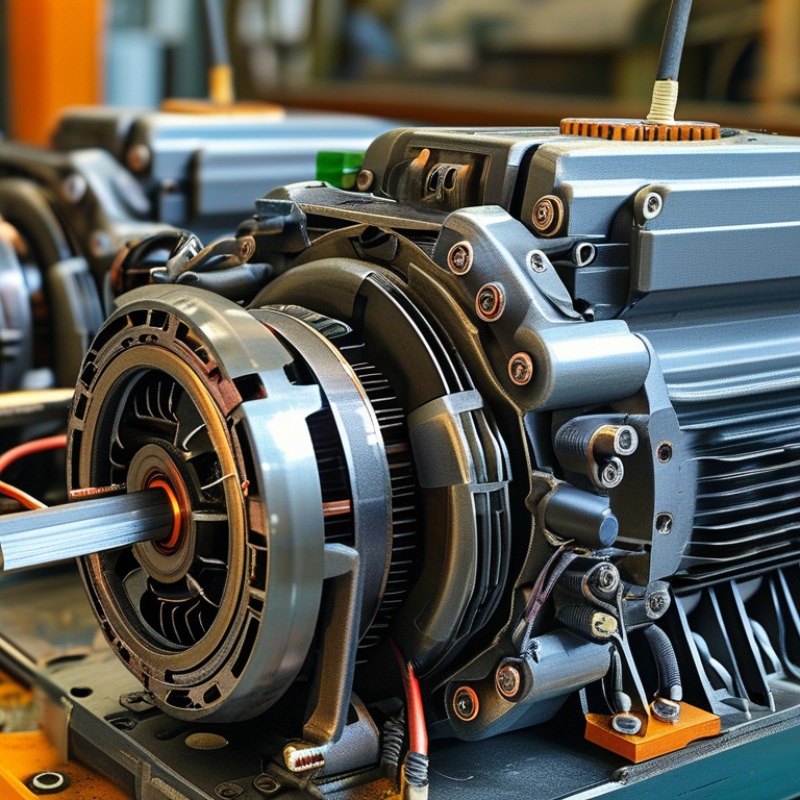
DC motors, or Direct Current motors, are widely used in various applications. They are known for their simplicity and ease of use. A DC motor operates by converting electrical energy into mechanical energy using a commutator and brushes. This design allows for straightforward speed and direction control.
In terms of features, DC motors typically provide high torque at low speeds. This makes them ideal for applications like electric vehicles, fans, and conveyor belts. However, there are some drawbacks. The brushes can wear out over time, leading to maintenance issues. Additionally, the electromagnetic interference from the brushes can affect nearby sensitive electronics.
Common applications highlight the versatility of DC motors. Robotics, home appliances, and power tools rely heavily on this technology. Yet, users must consider the longevity and efficiency of these motors. Understanding both the benefits and limitations can guide better choices. Overall, DC motors remain a critical component in many fields, showcasing both reliable performance and areas for improvement.
Comparison of DC Motor and BLDC Motor Characteristics
Understanding Brushless DC (BLDC) Motors: Definition and Characteristics
Brushless DC (BLDC) motors have gained popularity for their efficiency and reliability. These motors operate without brushes, which means less friction and heat generation. The absence of brushes extends the lifespan of the motor, making it suitable for various applications. Unlike traditional DC motors, BLDC motors use electronic controllers to manage their performance. This results in smoother operation and high-speed capabilities.
One notable feature of BLDC motors is their high torque-to-weight ratio. This quality allows them to deliver significant power while being lightweight. Additionally, BLDC motors are quieter, which is especially important in applications like drones or electric vehicles. They also provide better energy efficiency, as energy loss is minimized due to the lack of brushes.
On the flip side, the initial cost of BLDC motors can be higher due to advanced components and controllers. This factor may deter some users, especially for low-demand applications. Moreover, they require more complex control systems, which might not be easily accessible for all users. Thus, while BLDC motors offer many advantages, their implementation can present challenges that require careful consideration.
Comparison of DC Motor and BLDC Motor
| Feature |
DC Motor |
BLDC Motor |
| Commutation Type |
Mechanical Brushes |
Electronic Commutation |
| Efficiency |
Lower (75-85%) |
Higher (85-95%) |
| Maintenance |
Higher (Brush replacement needed) |
Lower (Brushless operation) |
| Noise Level |
Higher due to brushes |
Lower and quieter |
| Applications |
Simple electric devices |
High-performance applications (drones, robotics) |
| Control Complexity |
Simple control circuitry |
Complex control required (controllers needed) |
| Size and Weight |
Typically bulkier |
More compact and lighter |
Comparative Analysis of Efficiency between DC and BLDC Motors
When comparing DC motors to BLDC motors, efficiency plays a critical role.
DC motors use brushes to switch the current, causing friction and energy loss. This means they are less efficient, especially at higher speeds. The brush mechanism can wear out over time, leading to maintenance issues.
BLDC motors, however, eliminate this problem by using electronic commutation.
This design allows for smoother operation and reduced energy waste.
In terms of performance, BLDC motors typically excel. They maintain high efficiency across a wider range of speeds. This makes them ideal for applications requiring precise speed control.
However, the complexity of BLDC systems can be a drawback. They require more sophisticated controllers, which can increase initial costs. Some users may find the learning curve challenging when setting up these systems.
Both motor types have their strengths and weaknesses. While BLDC motors offer high efficiency, the intricacies of their design may deter some users.
DC motors are simpler but come with higher maintenance needs. Understanding these differences is crucial for making an informed choice based on specific applications.
Key Differences in Construction: DC Motor vs. BLDC Motor
When comparing DC motors and BLDC (Brushless DC) motors, the construction is a key factor. A traditional DC motor typically features a rotor with windings and a commutator. This assembly relies on brushes to create a magnetic field. This contact creates friction, which can lead to wear over time. This limitation often results in maintenance needs and efficiency losses.
In contrast, a BLDC motor has a more streamlined design. It eliminates brushes, opting for permanent magnets on the rotor. Instead of brushes, it uses electronic controllers to switch current. This design not only results in reduced friction but also allows for higher efficiency. The absence of brushes means less maintenance and a longer lifespan, essential in many modern applications.
Additionally, BLDC motors tend to be smaller and lighter. The efficiency and smooth operation can lead to more compact designs in devices. However, the integration of electronic control systems may complicate the overall setup. This complexity might deter some users from choosing BLDC motors. Balancing these aspects is crucial for making an informed choice between the two types.
Applications of DC Motors and BLDC Motors in Various Industries
DC motors and Brushless DC (BLDC) motors are essential in various industries. Their applications span robotics, automotive, and consumer electronics. According to a report from Markets and Markets, the global DC motor market is expected to reach $23.1 billion by 2026. This growth indicates a high demand for reliable and efficient motors in industrial settings.
In the automotive industry, BLDC motors are increasingly utilized due to their efficiency and performance. They contribute to electric vehicle advancement, offering smoother operation and longer battery life. The International Energy Agency reported that electric vehicles will represent 40% of new car sales by 2030. This shift emphasizes the importance of BLDC motors in modern automotive designs.
In manufacturing, DC motors are prevalent in conveyor systems and automated tools. Their simplicity makes them suitable for various applications. However, their maintenance needs can lead to downtime, which can be costly. BLDC motors, while more expensive, sometimes need specialized knowledge for repairs. This can pose a challenge, especially for smaller businesses trying to compete. Balancing efficiency and cost is vital in choosing between these motor types.