2026 Top Trends in DC Motor BLDC Technology Insights and Innovations?
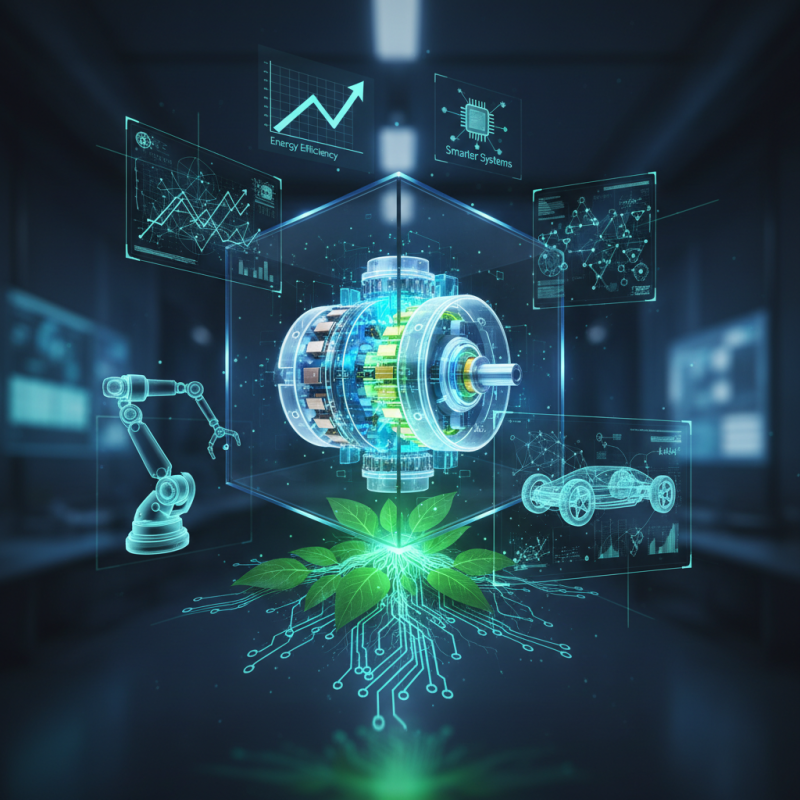
The landscape of DC Motor BLDC technology is rapidly evolving. With innovations emerging from various corners of the industry, it’s crucial to understand the upcoming trends shaping this field. Dr. Emily Chen, a renowned expert in motor technology, stated, “The future of DC Motor BLDC is not just about efficiency; it’s about integrating smarter systems.”
In 2026, we anticipate significant advancements in automation and energy efficiency. These trends will lead to more compact designs and improved performance under varying conditions. The industry will likely face challenges related to sustainability. Balancing ecological considerations with technical improvements remains a pressing issue.
Furthermore, real-world applications of DC Motor BLDC will expand. Industries from robotics to electric vehicles are exploring innovative uses. However, some concerns linger, such as the reliability of new technologies under extreme conditions. Experts emphasize the importance of rigorous testing to ensure stability and performance. As we navigate these trends, the insights gathered from industry leaders will guide future developments.
Emerging Applications of BLDC Motors in 2026
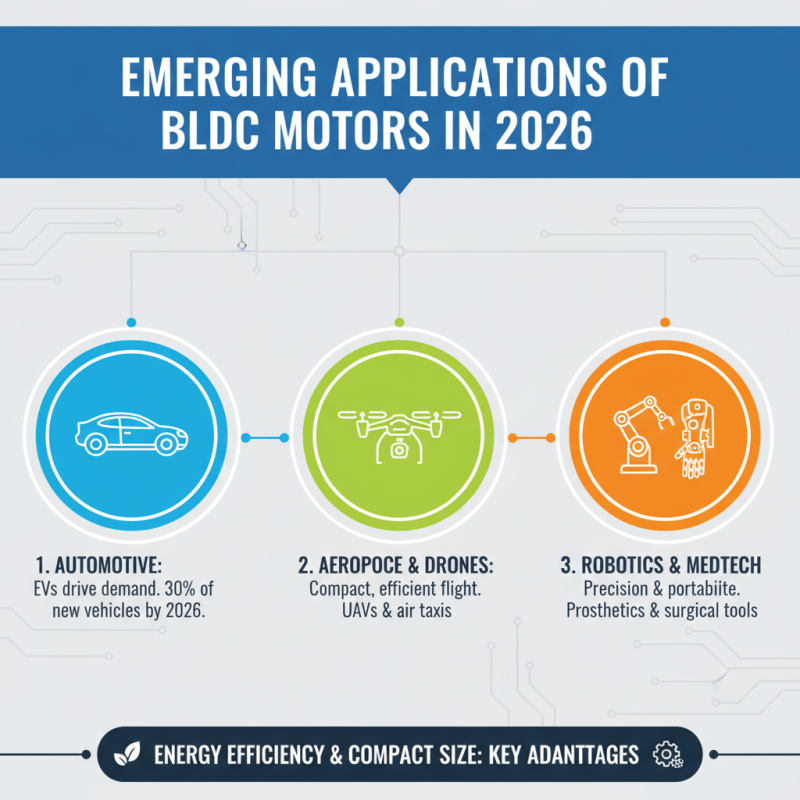
BLDC motors are rapidly shaping various industries in 2026. Their energy efficiency and compact size make them ideal for emerging applications. In automotive, for example, the demand for electric vehicles continues to rise. According to a recent industry report, EVs are projected to constitute 30% of total vehicle sales by 2026. This shift is driving the need for efficient motor solutions.
Another growth area is the home appliance sector. Automated household devices such as robotic vacuum cleaners and smart refrigerators are becoming commonplace. These appliances often use BLDC motors for quieter operation and better energy consumption. Research indicates that the global market for smart home appliances will reach $80 billion by 2026. As such, manufacturers need to reevaluate their designs to integrate these motors effectively.
Challenges persist in adopting BLDC technology. High initial costs and complexity in implementing controls can hinder growth. Moreover, the lack of skilled technicians to maintain these systems remains a concern. It's crucial for companies to invest in training and development. Balancing these challenges with the rapid technological advancements will determine the effectiveness of BLDC motors in the future landscape.
Key Innovations Driving BLDC Technology Forward
The realm of BLDC (Brushless DC) motor technology is witnessing remarkable innovations. These advancements focus on enhancing efficiency and performance. A key innovation is the development of more sophisticated control algorithms. These algorithms optimize motor performance and reduce energy consumption.
This shift enables devices to operate more smoothly, ensuring prolonged lifespan and reduced wear.
Another area of innovation comes from incorporating smart sensors. These sensors provide real-time feedback and increase precision. They help in adjusting parameters dynamically, enhancing operational efficiency. However, integrating sensors can introduce complexity, requiring deeper knowledge and robust design.
Wireless communication is also making its way into BLDC technology. It allows for remote monitoring and diagnostics. This feature can significantly reduce maintenance costs. Yet, relying on wireless systems may raise concerns regarding security and signal reliability. Manufacturers must reflect on the balance between innovation and practicality in these implementations.
Energy Efficiency Trends in 2026 BLDC Motor Designs
The trend of energy efficiency in BLDC (Brushless DC) motors is set to evolve significantly by 2026. One key insight is the increased integration of smart technologies. These motors will feature real-time monitoring and adaptive control systems. Such systems optimize performance based on load and speed, reducing energy consumption.
Manufacturers are focusing on using advanced materials. High-performance magnets and low-resistance windings play crucial roles. These materials enhance overall efficiency and reduce heat generation. With less energy wasted, the motors perform better over longer periods.
Tip: Look for BLDC motors that feature integrated sensors. They provide valuable data for energy management.
Another innovation is the drive towards modular designs. This approach allows for easy upgrades and maintenance. Users can tailor motors according to specific needs without a complete overhaul. However, while modular designs offer flexibility, manufacturers must ensure compatibility across various components.
Tip: Evaluate energy efficiency through comprehensive testing methods. Rely on standards recognized in your industry to gauge performance accurately.
In this evolving landscape, the focus remains on striking a balance between efficiency and functionality. Continuous improvement is essential, as challenges around scalability and cost persist.
Energy Efficiency Trends in 2026 BLDC Motor Designs
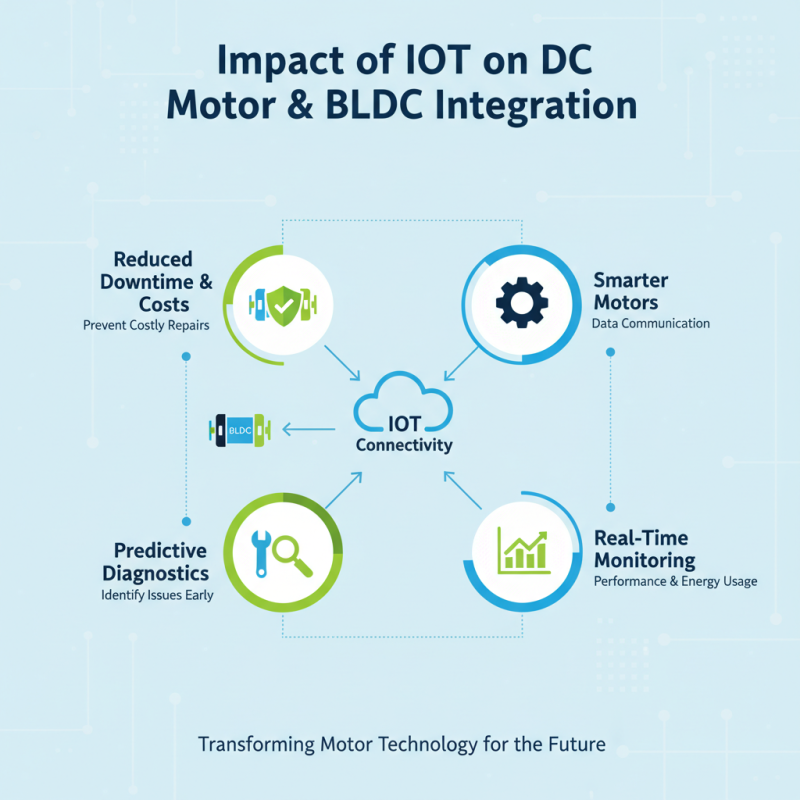
Impact of IoT on DC Motor and BLDC Integration
The Internet of Things (IoT) is transforming the landscape of DC motors and Brushless DC (BLDC) technology. With IoT integration, motors become smarter. They can communicate data about performance and energy usage. This connectivity ensures real-time monitoring and diagnostics. Users can identify issues before they escalate into costly repairs.
In many applications, these innovations lead to improved efficiency. For example, smart factories use IoT-enabled BLDC motors to optimize energy consumption. This not only minimizes waste but also enhances productivity. However, challenges remain. Not all systems are compatible with IoT technology. Some users may find the integration process complex and time-consuming.
Security is another concern. Connected devices can be vulnerable to hacking. This necessitates a rigorous approach to cybersecurity in motor applications. Users must be educated on potential risks. The growth of IoT in this sector demands both adaptation and caution. Embracing these changes can lead to significant advancements in performance and innovation. However, critical reflection on integration challenges is essential for future success.
Future Challenges and Solutions in BLDC Technology Development
The future of Brushless DC (BLDC) technology presents exciting opportunities but also significant challenges. Innovations are evolving rapidly, driven by the increasing demand for energy efficiency and automation. However, manufacturers face obstacles such as cost management and the need for advanced materials. According to industry reports, the global BLDC motor market is projected to reach $30 billion by 2026, underscoring the urgency for effective solutions.
One challenge is the complexity of designing BLDC systems that are both efficient and cost-effective. As the technology advances, the integration of artificial intelligence for enhanced performance becomes paramount. Research indicates that AI-driven controls can improve energy efficiency by nearly 40%. Yet, the implementation of these technologies requires careful planning and investment in skilled personnel.
**Tip:** Encourage your team to stay updated with the latest research publications in motor technology. Engaging with industry experts can provide insights that facilitate more informed decision-making.
Another critical area is sustainability. The production of BLDC motors often involves materials that are not environmentally friendly. Developers are exploring alternatives, yet the transition can be slow. Some experts suggest that setting up recycling initiatives for outdated motors could alleviate environmental impacts.
**Tip:** Regularly assess your supply chain for sustainable practices. Even small changes can lead to significant benefits for the planet.
2026 Top Trends in DC Motor BLDC Technology Insights and Innovations
| Trend |
Insight |
Challenges |
Solutions |
| Increased Efficiency |
Implementation of advanced control algorithms to enhance performance. |
Need for significant development in algorithms and processor speed. |
Investing in R&D and collaborations with tech firms for algorithm development. |
| Miniaturization |
Trends towards smaller, more compact motor designs. |
Material limitations and thermal management. |
Exploring advanced materials and cooling technologies. |
| Smart Motors |
Integration of IoT capabilities for real-time monitoring. |
Security and data privacy concerns. |
Implementing robust encryption and secure communication protocols. |
| Sustainable Practices |
Focus on reducing environmental impact through energy-efficient designs. |
High cost of eco-friendly materials. |
Government incentives and funding for research into sustainable materials. |