Top Tips for Choosing the Best Dc Motor Gear Motor?
Choosing the right Dc Motor Gear Motor can significantly impact your project's success. With various options available, this decision might be overwhelming. It's essential to understand your needs first. The specific application of the motor often dictates the best choice.
Consider the torque and speed requirements. These factors vary greatly depending on the task. A mismatch can lead to inefficiency or even mechanical failure. Additionally, pay attention to the gear ratio. This can influence performance in ways that aren't immediately obvious.
Quality matters. A reliable Dc Motor Gear Motor will not only perform better but also last longer. Research reputable brands and check customer reviews. Sometimes, a higher price indicates better craftsmanship or service. Don't overlook the importance of customer support. It can prove invaluable when troubleshooting issues. Take your time to weigh your options carefully. The right choice will yield better results and save you headaches down the road.
Understanding the Basics of DC Motor Gear Motors
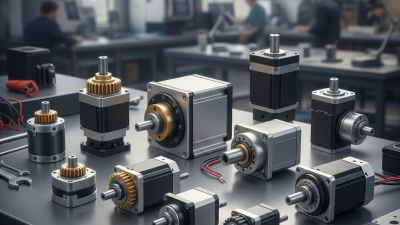
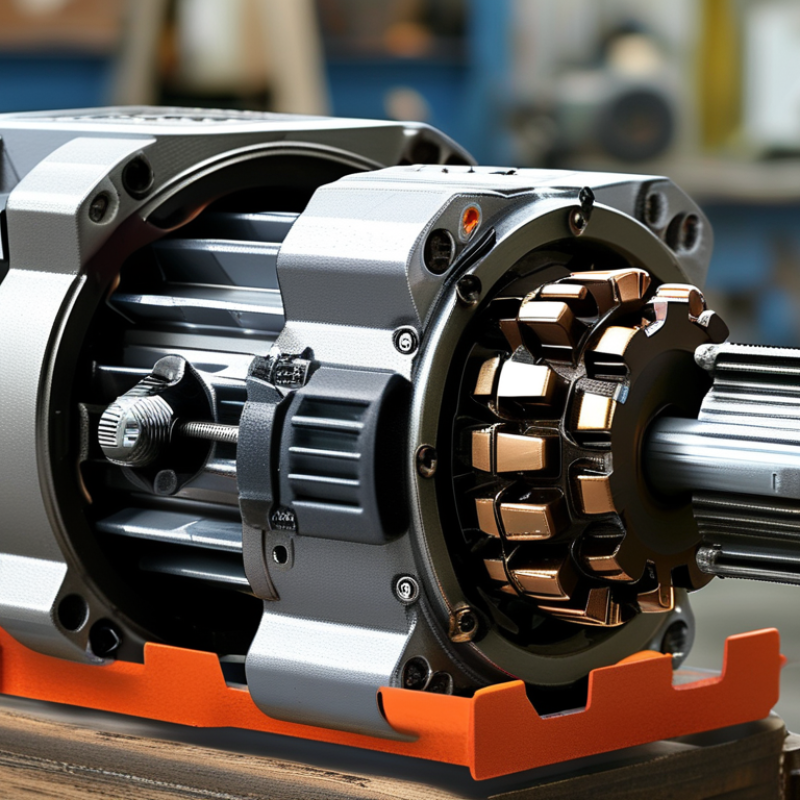
When selecting a DC motor gear motor, understanding the basics is essential. DC motors convert electrical energy into mechanical motion. Gear motors enhance torque and allow for better speed control. The design combines a DC motor with a gear reduction system. This integration results in more efficient performance for various applications.
Consider the gear ratio. A higher ratio provides increased torque but may decrease speed. This balance is crucial in applications such as robotics and electric vehicles. Pay attention to the voltage and current ratings of the motor. They impact the motor's performance and longevity. Another factor is the size and weight. A compact design can be beneficial in limited spaces, while larger motors may offer higher power outputs.
Listening to user feedback is vital for understanding reliability. Some motors may perform well in theory but may not hold up under real conditions. Evaluating the motor in practical scenarios can reveal its strengths and weaknesses. Testing in different environments helps establish its durability and efficiency. Make informed decisions based on ample data rather than assumptions.
Key Factors to Consider When Selecting a DC Motor Gear Motor
When selecting a DC motor gear motor, several key factors must be considered. Understanding your specific application is crucial. Factors like load size, speed requirements, and torque needs directly impact your choice. Knowing the operational environment can also influence performance. For instance, moisture and temperature may affect durability and efficiency.
Efficiency ratings matter, too. Look for motors that offer a balance between power consumption and output. Sometimes high efficiency means a higher upfront cost, but lower operational costs over time can justify the investment. Noise levels may seem trivial, but they can be a significant factor in residential areas or quiet environments.
It's also wise to assess the reliability of the motor. Look for user reviews and expert opinions about the longevity of models you are considering. A poorly constructed motor can lead to frequent replacements, ultimately increasing overall costs. Reflect on your needs and consider asking an expert if you're unsure. A thorough evaluation often uncovers aspects you may overlook.
Evaluating Power and Torque Requirements for Your Application
When selecting a DC gear motor, understanding power and torque requirements is crucial. Power defines how rapidly your motor can perform work, while torque indicates the rotational force it can exert. These two factors must align with your application needs. For instance, a toy car requires less torque compared to an industrial conveyor. Analyze your specific tasks to determine the necessary power levels.
Measuring torque involves considering the load your motor will handle. It's essential to account for factors like friction and incline, which can increase the required torque. Sometimes, initial calculations may not reflect real-world performance. Testing under actual conditions helps to refine your understanding of power and torque dynamics.
Don’t overlook the importance of a safety margin. Choosing a motor that exceeds your calculations may prevent overheating and prolong lifespan. However, excessive power can lead to diminished efficiency. Striking a balance between efficiency and performance is often challenging. Regular reviews of your application needs can lead to better decisions over time.
Assessing Gear Ratios and Their Impact on Performance
When selecting a DC motor gear motor, understanding gear ratios is vital. Gear ratios determine how the motor's speed and torque will perform. A lower gear ratio results in higher torque and slower speed. Conversely, a higher gear ratio offers more speed but lower torque. For example, a gear ratio of 10:1 provides significant torque but limits speed. This is crucial for applications requiring heavy lifting, such as robotics.
Industry reports indicate that the choice of gear ratio can impact efficiency by up to 30%. A mismatch between gear ratio and application needs can lead to inefficiencies. For instance, using a high-speed setup in a low-torque application can cause overheating. Likewise, a low-speed design for high-speed tasks may cause sluggish performance. Getting the right balance is essential.
Gear ratios also affect the lifespan of the motor. An inappropriate ratio may lead to excessive wear. It’s important to consider the load conditions and operational cycles. This analysis helps in identifying the most suitable configuration. Each application is unique, and what works well for one may not work for another. Therefore, examining gear ratios closely can reveal the best choice for specific performance requirements.
Top Tips for Choosing the Best Dc Motor Gear Motor? - Assessing Gear Ratios and Their Impact on Performance
| Motor Type |
Rated Voltage (V) |
Gear Ratio |
No-Load RPM |
Torque (Nm) |
| Permanent Magnet |
12 |
20:1 |
3000 |
0.5 |
| Stepper Motor |
24 |
10:1 |
1200 |
1.2 |
| Brushed DC |
6 |
50:1 |
1500 |
0.3 |
| Brushless DC |
48 |
15:1 |
6000 |
0.8 |
Exploring Quality and Brand Reputation in Gear Motor Choices
When selecting a DC motor gear motor,
brand reputation plays a crucial role. Established brands often embody quality and
reliability. Customers trust these companies based on reviews, longevity, and
performance history. Choosing a well-regarded brand ensures you’re investing in a
product that meets industry standards and holds up under varying conditions.
Look for customer feedback and ratings when comparing options. Satisfied customers
often share their experiences, giving insights into the motor's performance over time.
Pay attention to details like durability and efficiency.
These factors can greatly influence your motor selection.
Don't forget to examine the manufacturer's support. A company that offers responsive
customer service adds another layer of reliability. In moments of uncertainty or need
for assistance, having confident support is invaluable. Less reputable brands might not
offer this, leading to potential complications down the line. Remember, a little research can save significant trouble later.