Why Choose High Torque DC Electric Motors for Your Applications?
In industries where power and precision are crucial, the choice of motor can greatly influence overall efficiency. Experts like Dr. Helen Adams, an authority in electric motor technology, emphasize the advantages of high torque DC electric motors. She states, "High torque DC electric motors deliver unmatched performance where reliability is paramount."
High torque DC electric motors are designed for applications requiring strong starting capabilities. This makes them ideal for heavy-duty tasks in various sectors, such as robotics, automotive, and manufacturing. Their ability to maintain torque at low speeds offers distinct advantages in precision operations. With their robust construction, these motors are reliable under demanding conditions.
Choosing the right motor isn’t always straightforward. Various factors come into play, including size, cost, and weight. While high torque DC electric motors are powerful, they may not fit all applications universally. It’s essential to analyze specific requirements carefully. Ultimately, selecting the right motor can lead to significant improvements in productivity and efficiency.
Advantages of High Torque DC Electric Motors in Various Industries
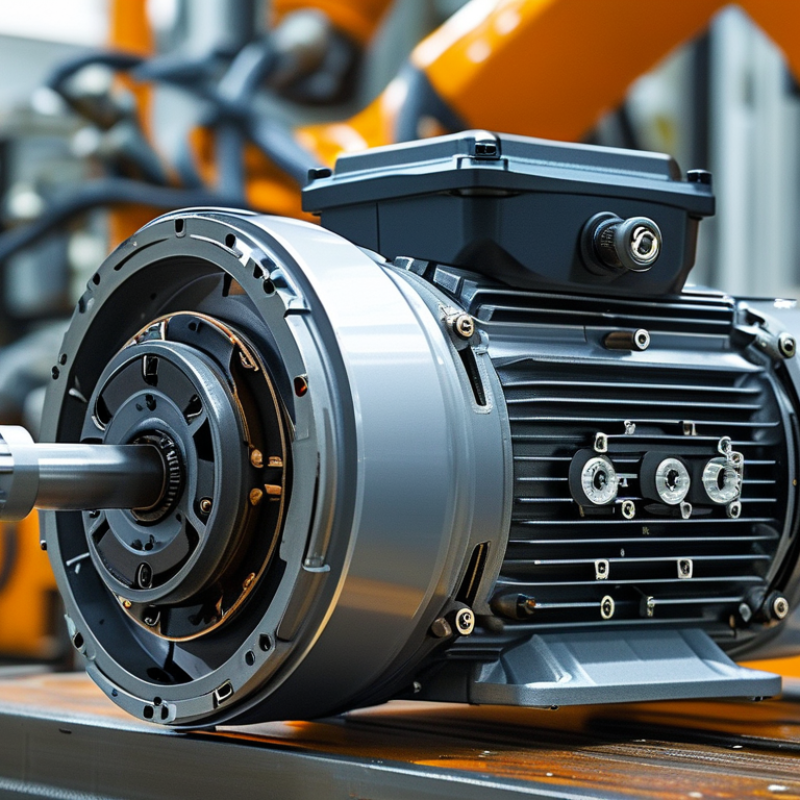
High torque DC electric motors have gained popularity in various industries due to their impressive advantages. These motors deliver high starting torque, making them ideal for applications requiring significant initial power. For instance, they are commonly used in electric vehicles and robotics, where acceleration is crucial. Their ability to provide consistent torque at various speeds enhances their performance in demanding tasks.
In manufacturing, high torque motors enhance productivity. They can power heavy machinery, such as conveyor belts and lifts, efficiently. This efficiency not only reduces operational costs but also minimizes wear and tear on mechanical components. Some users, however, overlook the importance of proper selection and installation. Choosing a motor that does not meet application requirements can lead to inefficiencies and failures. It's essential to evaluate your specific needs carefully.
High torque DC electric motors are also favored in renewable energy applications. They are used in wind turbine generators and solar tracking systems. These uses highlight their versatility and energy efficiency. Nevertheless, ensuring that these systems run smoothly requires regular maintenance and monitoring. Neglecting this can lead to decreased performance over time. The benefits of high torque DC motors are clear, but awareness of their upkeep and application specifics is equally important.
Advantages of High Torque DC Electric Motors Across Industries
This chart illustrates the torque outputs of high torque DC electric motors across different industries, highlighting their importance in applications such as automotive, aerospace, and robotics. The data reflects the strength and versatility of these motors, making them a preferred choice for high-performance needs.
Key Applications of High Torque DC Electric Motors
High torque DC electric motors are vital in several key applications, including robotics, automotive, and industrial automation. These motors excel in scenarios that require significant force at low speeds. According to a recent industry report, the demand for high torque DC motors is projected to grow by 8% annually through 2028, driven by advancements in automation technology.
In robotics, high torque is essential for precise movements and handling heavy loads. The ability to deliver consistent power helps robots perform intricate tasks efficiently. In automotive applications, these motors support functions like power steering and electronic braking, enhancing safety and reliability. These motors are also prevalent in conveyor systems, where they transport materials smoothly.
When selecting a motor, consider the specific torque and speed requirements of your application. Ensure the motor's ratings align with your operational needs. It’s also important to assess the motor's cooling mechanisms, as excessive heat can impact performance. Regular maintenance checks can prevent unexpected failures in critical machinery. Analyzing these details can lead to better operational efficiency and reduced downtime.
Factors Influencing the Selection of High Torque DC Electric Motors
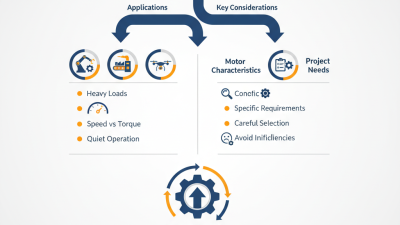
When selecting high torque DC electric motors, several factors come into play. Power requirements are crucial. Applications requiring high starting torque need motors that can handle significant loads initially. High torque motors excel in tasks like lifting heavy objects or driving machinery. They provide the necessary force without compromising efficiency.
Another aspect to consider is the operating environment. Some applications face extreme temperatures or exposure to dust and moisture. Choosing a motor with proper sealing and insulation can prolong its life. Consider whether the motor will be used in a continuous operation or intermittently. This can impact heat generation and wear over time.
Finally, look at the size and weight constraints. Sometimes, a powerful motor may not fit the available space. Compact high torque motors offer solutions while still delivering performance. Balancing these factors is essential. It requires careful analysis of each application’s requirements. A misstep can lead to inefficiencies or motor failures. Engaging with experts in the field can provide valuable insights into making the right choice.
Comparison of High Torque DC Motors with Other Motor Types
When selecting the right motor for your application, torque matters. High torque DC motors provide substantial force at lower speeds. This is instrumental in applications requiring precise control, like robotics or conveyor systems. In comparison, AC motors tend to deliver higher speeds but lack the low-end torque crucial for heavy loads. They also require more complex control systems, making them less versatile for certain projects.
Another common alternative is stepper motors. While they excel in precise positioning, they often struggle with higher loads. Their torque drops significantly at higher speeds, limiting their functionality in demanding environments. On the other hand, high torque DC motors maintain a steady output, which ensures consistent performance even under strain. This reliability can lead to fewer operational hiccups in your projects.
Serious considerations come into play when evaluating the efficiency of these motors. Their construction can lead to heating issues over time. It’s essential to monitor temperatures and adjust usage accordingly. Understanding your specific requirements and potential limitations creates a clearer path to making the right choice. This balanced approach can enhance the longevity and effectiveness of your systems.
Maintenance and Performance Optimization of High Torque DC Motors
High torque DC electric motors are vital in various applications, but maintaining their performance can be challenging. Regular maintenance is crucial for optimizing their efficiency. Over time, dust and debris can accumulate, affecting motor performance. Ensuring that the motors are clean can significantly enhance their operational lifespan. Regular inspections should focus on the brushes and commutators. Worn brushes can lead to reduced torque and inefficiency.
Listening to the motor can provide insights into its health. Unusual noises may indicate a problem. Keeping an eye on temperature is also essential. High operating temperatures can signal issues within the motor. Gauges that monitor temperature can be very useful. They allow for proactive measures before severe damage occurs.
In addition to maintenance, using the right operating conditions can maximize performance. Operating at the recommended voltage and load is essential. Overloading a motor not only decreases its efficiency but also increases wear and tear. It is a precaution worth reflecting upon. Evaluating the application requirements can help make better decisions. A tailored approach often results in greater reliability and longevity.