Top 10 Benefits of Brushless Direct Current Motors for Buyers
In the ever-evolving landscape of electric motors, the Brushless Direct Current Motor stands out for its numerous advantages. Dr. Emily Chen, a renowned expert in motor technology, emphasizes that "the efficiency and reliability of Brushless Direct Current Motors can dramatically enhance performance across various applications." This statement encapsulates the growing appreciation for these motors among engineers and manufacturers.
Brushless Direct Current Motors offer exceptional benefits that can revolutionize industries. From reduced maintenance needs to improved energy efficiency, these motors are gaining traction. They operate quietly, which is essential in many applications, such as household appliances and electric vehicles. Their compact design allows for diverse installation options, catering to modern design requirements.
As businesses continue to seek innovative solutions, understanding the benefits of Brushless Direct Current Motors becomes crucial. However, challenges remain. Some users might find the initial cost higher than traditional motors. Careful consideration is needed to weigh these pros and cons. Nevertheless, the overall potential for enhanced performance with Brushless Direct Current Motors cannot be understated.
Advantages of Brushless Direct Current Motors in Various Applications
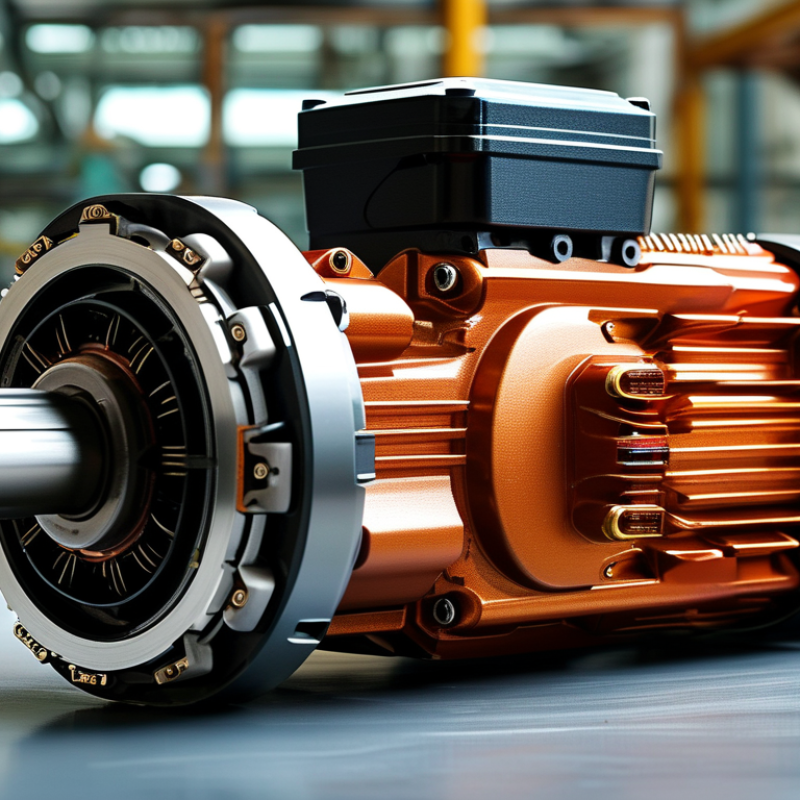
Brushless Direct Current (BLDC) motors have become a popular choice in various applications due to their numerous advantages. One significant benefit is their efficiency. These motors convert electrical energy into mechanical energy with minimal loss. This leads to reduced energy costs over time, particularly in industrial settings. They also generate less heat, which can prolong their life cycle and maintain performance.
Another advantage is the low maintenance requirement. BLDC motors lack brushes that typically wear out in traditional motors. This design results in fewer mechanical failures and lower maintenance costs for users. Their silent operation is a crucial feature for applications where noise levels matter, such as in home appliances or aerospace systems. However, it’s essential to note that these motors often require more complex control systems, which could increase initial setup costs and complexity.
In robotics, automotive, and renewable energy sectors, the versatility of BLDC motors shines. They can operate at various speeds and loads, making them suitable for diverse applications. Yet, users must consider the trade-offs. While they offer many benefits, the sophistication of their electronic control can be daunting for those unfamiliar with technology. This complexity can lead to challenges in troubleshooting, highlighting the need for proper training and resources.
Top 10 Benefits of Brushless Direct Current Motors
Improved Efficiency Compared to Traditional Motor Types
Brushless Direct Current (BLDC) motors have transformed the landscape of motor technology. One significant advantage is their improved efficiency over traditional motor types. Unlike brushed motors, BLDC motors have no physical brushes that wear out. This design ensures reduced friction and heat loss, allowing for higher performance and energy savings. In many applications, users can see up to 20% more efficiency.
Another noteworthy aspect is the precise control BLDC motors offer. They can be easily integrated into systems requiring a high degree of accuracy. For instance, in robotics and automation, this efficiency translates to faster cycles and less downtime. However, achieving this level of efficiency can be challenging. Users must invest in quality controllers, which can add to the initial cost.
Reliability is also a key factor. With fewer moving parts, these motors tend to have a longer lifespan. This reliability leads to lower maintenance costs. Yet, it is important to consider that not all applications benefit equally from this technology. In some cases, users may find that traditional motors meet their needs more cost-effectively. Understanding your specific application is crucial for making an informed decision.
Reduced Maintenance Costs Over the Product Lifecycle
Brushless Direct Current (BLDC) motors are becoming increasingly popular for various applications. One key advantage is their lower maintenance costs over the product lifecycle. They have fewer moving parts compared to traditional brushed motors. This design leads to reduced wear and tear, extending the motor's lifespan.
The absence of brushes means there is less friction to manage. This results in less heat generation, which can damage components over time. Users can expect fewer repairs and replacements. Regular maintenance tasks, like brush replacement, become unnecessary. However, it’s important to consider that not all brushless motors are created equal. Some may require more initial monitoring than expected.
Over the years, the total cost of ownership tends to favor brushless motors. Buyers often realize that the upfront investment is balanced out by savings on maintenance. However, choosing the right motor for specific applications may still require careful evaluation. Some users might overlook operational efficiency in their assessments. This underscores the necessity for thorough research in decision-making.
Enhanced Performance and Reliability Features
Brushless Direct Current (BLDC) motors offer enhanced performance that appeals to many sectors, including automation and electric vehicles. A recent report by the International Energy Agency indicates that BLDC motors are up to 90% efficient. This high efficiency translates into significant energy savings over time. Moreover, they provide superior torque and speed control, which is critical for applications requiring precise movement.
Reliability is another key feature of BLDC motors. These motors are designed with fewer moving parts, leading to a longer lifespan. A study from the Electric Power Research Institute found that maintenance costs can be reduced by as much as 50% when using BLDC motors compared to their brushed counterparts. However, it's essential to note that while they are more durable, the initial investment can be higher.
Another aspect worth considering is the noise level. BLDC motors operate more quietly than traditional motors, making them suitable for environments that require low noise. Yet, some users have reported challenges with the complexity of integrating these motors into existing systems. Balancing the benefits against the integration challenges is vital for buyers making informed decisions about these advanced technologies.
Environmental Benefits of Using Brushless DC Motors
Brushless direct current (DC) motors offer significant environmental benefits that are hard to overlook. These motors operate more efficiently than traditional brushed motors. They minimize energy loss, leading to lower power consumption. As a result, fewer carbon emissions are released into the atmosphere. This efficiency makes them ideal for applications focused on sustainability.
Another notable advantage is the reduced need for maintenance. Brushless DC motors lack brushes, which wear out over time. This design leads to less waste and fewer materials needed for replacements. Improved durability means these motors can provide long-lasting performance without frequent changes. Such longevity contributes to reduced waste in landfills.
Moreover, brushless DC motors are quieter in operation. Less noise pollution benefits both urban environments and wildlife. However, challenges remain. Initially, the upfront costs can be higher than traditional motors. Buyers must evaluate their options carefully. This investment, while initially daunting, often pays off in reduced energy costs and environmental impact over time.