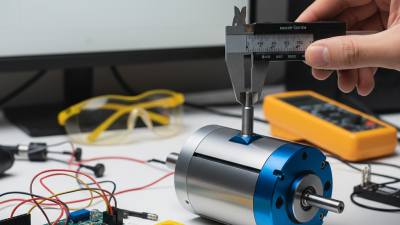
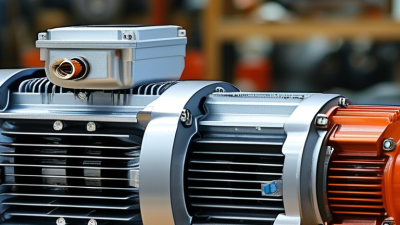
Top Benefits of Brushless Direct Current Motors in China
The rise of Brushless Direct Current Motors (BLDCMs) marks a significant shift in motor technology, particularly in China. According to a report by Research and Markets, the BLDCM market is projected to grow at a CAGR of 7.5% from 2020 to 2026. This growth reflects the increasing demand for energy efficiency and reduced maintenance costs in various industries.
China's manufacturing sector is driving this trend. BLDCMs offer advantages over traditional motors, such as higher efficiency and lower noise levels. This efficiency is crucial as energy consumption regulations become stricter. However, the initial investment for these motors can be a barrier for some companies.
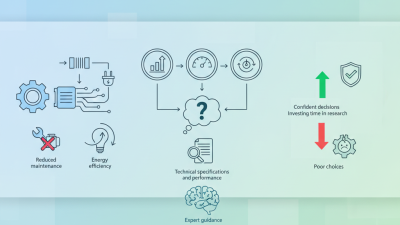
Despite these challenges, the long-term savings and performance benefits make BLDCMs an attractive option. The ongoing technological advancements bolster their position in applications ranging from automotive to robotics. Companies are urged to consider these factors carefully when making investment decisions.
Overview of Brushless Direct Current Motors (BLDC)
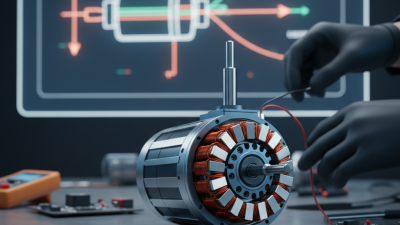
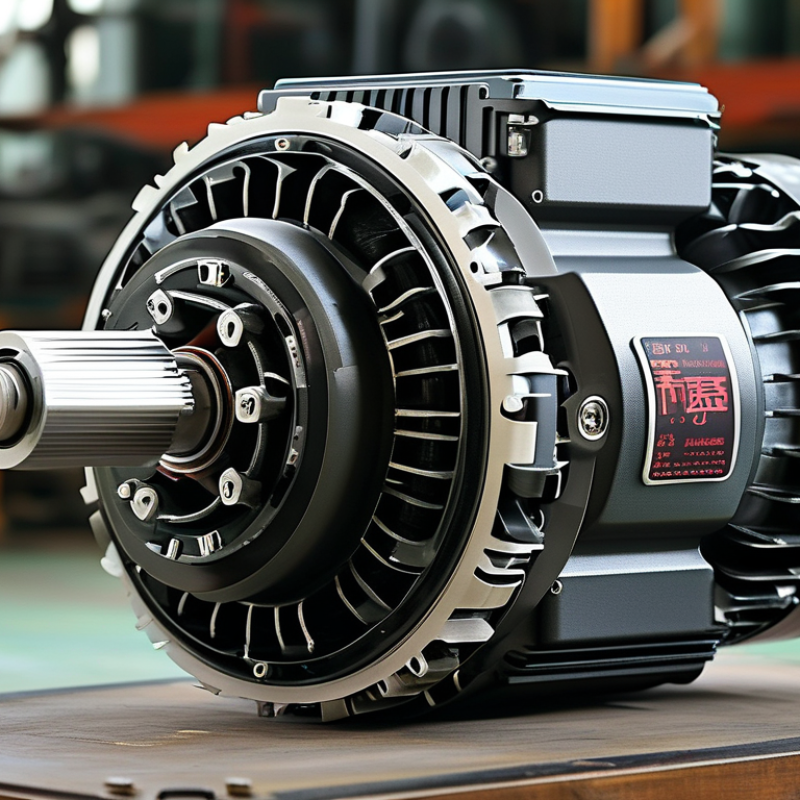
Brushless Direct Current Motors (BLDC) are widely recognized for their efficiency and reliability. In China, these motors are increasingly adopted in various applications. They utilize electronic controllers to manage their operation, eliminating the need for brushes. This design reduces friction and wear, leading to a longer lifespan. Users appreciate the consistent performance in demanding environments.
BLDC motors also boast higher power-to-weight ratios compared to traditional motors. This quality allows for more compact designs, making them ideal for applications in robotics and electric vehicles. The energy efficiency of these motors translates into lower operational costs, which is crucial for manufacturers and consumers alike. However, the initial investment for BLDC technology can be higher than conventional motors, which requires careful consideration.
On the flip side, integrating BLDC motors can present challenges. Users may need specialized knowledge for proper installation and maintenance. The complexity of the electronic components can lead to troubleshooting difficulties. It's essential to weigh these factors against the long-term benefits. As the market for these motors grows, ongoing improvements will likely address current limitations.
Key Advantages of BLDC Motors in Industrial Applications
Brushless Direct Current (BLDC) motors are gaining traction in China’s industrial sector. Their efficiency and longevity make them a popular choice for various applications. According to a recent report by ResearchAndMarkets, the global BLDC motor market is poised to grow at a CAGR of 10.3% from 2021 to 2026. This trend reflects a broader shift towards energy-efficient technologies in manufacturing.
One key advantage of BLDC motors is their high efficiency. They can reach up to 90% efficiency, significantly reducing energy consumption. This is crucial in industries where operational costs are a major concern. Additionally, BLDC motors require less maintenance compared to traditional motors. The absence of brushes minimizes wear, extending their lifespan. Yet, maintenance could still be an area requiring further improvement.
Another noticeable feature of BLDC motors is their compact design and lightweight nature. They can easily fit into limited spaces, making them ideal for automation and robotics. However, the initial investment can be higher than traditional motors. Companies must weigh the upfront costs against the potential long-term savings in energy and maintenance. Careful analysis is necessary to maximize Return on Investment (ROI) and optimize performance.
Energy Efficiency and Environmental Impact of BLDC Motors
Brushless Direct Current (BLDC) motors have gained attention in China for their energy efficiency and lower environmental impact. These motors use advanced technology to eliminate brushes, resulting in less friction and heat. As a result, they operate more efficiently than traditional motors. Energy savings can reach over 30% in some applications.
Many industries are realizing the benefits of using BLDC motors. For instance, their application in electric vehicles contributes significantly to reduced carbon emissions. The quiet operation is another advantage, leading to less noise pollution. However, the manufacturing process of these motors can be resource-intensive, raising questions about sustainability.
Despite their benefits, challenges remain. The initial cost of BLDC motors is often higher than conventional options. This can deter some businesses from making the switch. Education about the long-term savings is essential. Greater awareness could lead to wider adoption in various sectors. Balancing the environmental advantages with the costs is a key consideration.
Top Benefits of Brushless Direct Current Motors in China
Market Trends and Adoption of BLDC Technology in China
The adoption of Brushless Direct Current (BLDC) motors in China is gaining momentum. Industries are increasingly recognizing their efficiency and performance benefits. As electric vehicles and automation grow, the demand for BLDC motors rises. These motors offer higher torque and quieter operation. In sectors like robotics and HVAC, their advantages are clear.
Challenges do remain. The initial cost can be higher than traditional motors. Some manufacturers hesitate to make the switch due to concerns about reliability. However, improving technology is addressing these issues. Domestic production capabilities are expanding, driving costs down. More companies are investing in research, enhancing knowledge and expertise in this field.
Market trends show a shift toward sustainable and energy-efficient solutions. The government supports this move with policies favoring greener technologies. As awareness grows, industries are keen to implement BLDC systems. The future looks promising, yet continuous improvement is needed to fully integrate this technology into more applications.
Future Developments and Innovations in BLDC Motor Design
The brushless direct current (BLDC) motor market in China is rapidly evolving. Future developments in BLDC motor design are focused on improving efficiency and adaptability. As per a recent report by MarketsandMarkets, the global BLDC motor market is expected to reach $30 billion by 2026, driven by rising demand in various applications.
Innovations in BLDC designs are incorporating advanced materials and technologies. For instance, the use of high-performance magnets and lightweight composites can significantly enhance torque density. This leads to smaller, more efficient motors. A research study noted that using ultra-strong neodymium magnets could increase efficiency by up to 15%. These advances allow for higher performance in compact sizes.
Tips to consider: Ensure regular maintenance for optimal performance. Overheating can reduce motor life. Always customize motor specifications to match the application. Parameters, such as voltage and load conditions, play a crucial role in functionality. Monitoring these factors ensures reliability.
Emphasis on smart technology integration, such as IoT-enabled motor control, is also crucial. Despite increasing complexity, ensuring a robust design can address concerns related to reliability and ease of use. As innovations progress, addressing these challenges will be essential for sustaining growth in the BLDC motor market.
Top Benefits of Brushless Direct Current Motors in China - Future Developments and Innovations in BLDC Motor Design
| Benefit |
Description |
Impact on Industry |
Future Innovations |
| High Efficiency |
BLDC motors offer higher efficiency compared to brushed motors, resulting in lower energy consumption. |
Reduced energy costs and extended battery life in consumer electronics. |
Integration with smart energy management systems. |
| Longer Lifespan |
With no brushes to wear out, BLDC motors have significantly longer operational lifetimes. |
Lower maintenance costs and improved reliability in various applications. |
Development of ultra-durable materials and designs. |
| Compact Size |
BLDC motors are generally smaller and lighter, making them ideal for space-constrained applications. |
Allows for the design of more compact and portable products. |
Innovations in miniaturization and integration with IoT devices. |
| Reduced Noise |
BLDC motors operate quietly, which is essential for noise-sensitive applications. |
Greater consumer satisfaction in home appliances and electronics. |
Further enhancements in noise reduction technology. |
| Precise Control |
BLDC motors allow for precise speed and torque control, essential in robotics and automation. |
Increased efficiency and performance in automated systems. |
Advancements in control algorithms and AI integration. |