Leave Your Message

What is the Various Types Of DC Motors and Their Applications?

Understanding the "Various Types of DC Motors" reveals crucial insights into electrical engineering and automation. Dr. Emily Chen, an expert in motor technology, once said, “Choosing the right type of DC motor can significantly influence system efficiency.” This statement underscores the importance of selecting appropriate motors for various applications.

DC motors are versatile components in industries today. From simple toys to complex robotics, they bring ideas to life. Each type serves specific needs. For instance, brushed DC motors are easy to control, making them common in consumer products. Conversely, brushless DC motors offer higher efficiency and longevity, ideal for electric vehicles.

However, navigating these options isn’t always straightforward. Many engineers struggle with selecting the right motor for their projects. Misunderstanding the characteristics of the "Various Types of DC Motors" can lead to inefficient designs. Consequently, a deep dive into each type can illuminate their unique advantages and potential pitfalls. Understanding these differences is essential for optimizing performance and achieving desired results.
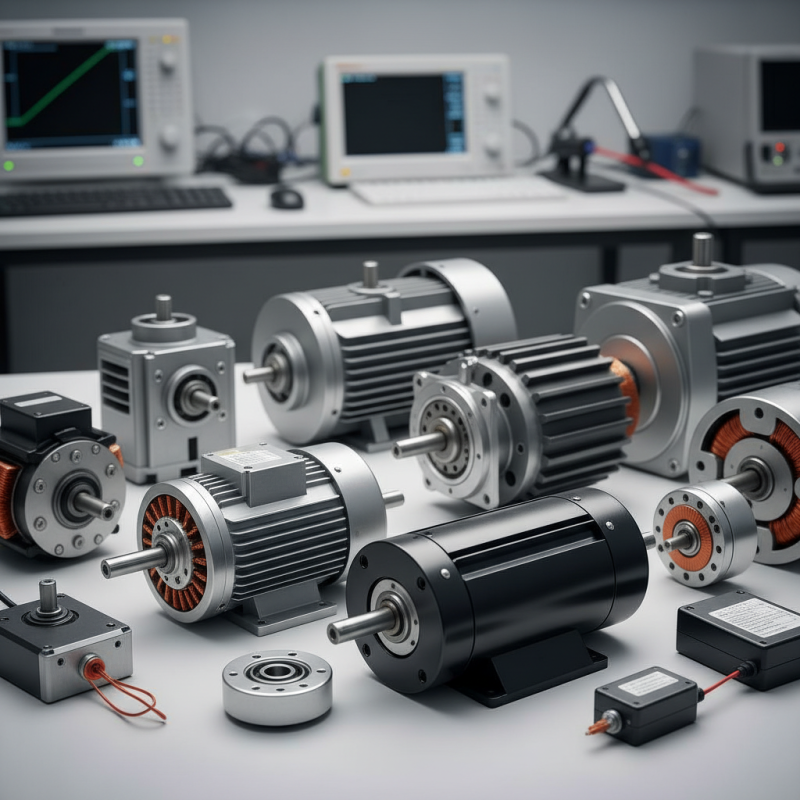
What is the Various Types Of DC Motors and Their Applications?

Types of DC Motors: An Overview of Design and Functionality

DC motors are crucial components in various applications. They convert electrical energy into mechanical energy. There are several types of DC motors, each designed for specific functionalities and applications. Understanding these types helps in choosing the right motor for a task.

Brushed DC motors are the most commonly used. They have brushes that make contact with the rotor. This design is simple and cost-effective, suitable for low-speed applications. However, the brushes can wear out, requiring frequent maintenance.

Brushless DC motors, on the other hand, eliminate the need for brushes. They offer higher efficiency and durability. These motors are ideal for high-performance applications, such as drones and electric vehicles.

Another type is the stepper motor. It moves in precise steps, making it perfect for robotics and automation. Yet, it can lose steps if overloaded. Servo motors offer precise control of angular position. They are used in applications requiring high precision, like CNC machines. In contrast, they can be complex to control. Each motor type has its strengths and weaknesses, highlighting the importance of careful selection based on specific needs.
Brushed DC Motors: Features, Advantages, and Common Uses

Brushed DC motors are widely recognized for their simplicity and effectiveness. They feature two main components: a stator and a rotor. The rotor has a winding that generates a magnetic field when power is applied. This design allows for easy control of speed and torque. They are often used in applications where precise movement is required.


A common use for brushed DC motors is in household appliances. Think about devices like electric shavers or power tools. They provide the necessary power without complex control systems. However, these motors do have limitations. The brushes wear out over time, requiring maintenance. This can lead to downtime and increased costs.


Brushed DC motors also appear in model vehicles and robotics. Their simplicity makes them a popular choice for hobbyists. But, they are not always the best option for high-performance applications. Electronic noise from the brushes can interfere with sensitive devices. Considering these factors can lead to better decisions in motor selection.

Brushless DC Motors: Characteristics and Applications Explored

Brushless DC motors (BLDC) are widely used in various applications due to their efficiency and reliability. They operate without brushes, which reduces wear and tear and extends lifespan. This characteristic makes them ideal for applications like drones, electric vehicles, and computer cooling systems. The lack of brushes also leads to quieter operation and less electromagnetic interference.

Tips: When selecting a BLDC motor, consider the required torque and speed for your application. Too much power can lead to overheating, while too little can affect performance.

BLDC motors have unique characteristics. They offer high efficiency, low maintenance, and better performance at varying speeds. These motors use electronic controllers, which allow precise control over speed and position. However, the complexity of these controllers can be a disadvantage. If the controller fails, the entire system might stop working.

Tips: Always monitor the health of your motor controller. Regular checks can prevent unexpected failures and maintain optimal performance.

Types of DC Motors and Their Applications

Stepper Motors: Principles of Operation and Their Unique Applications

What is the Various Types Of DC Motors and Their Applications?

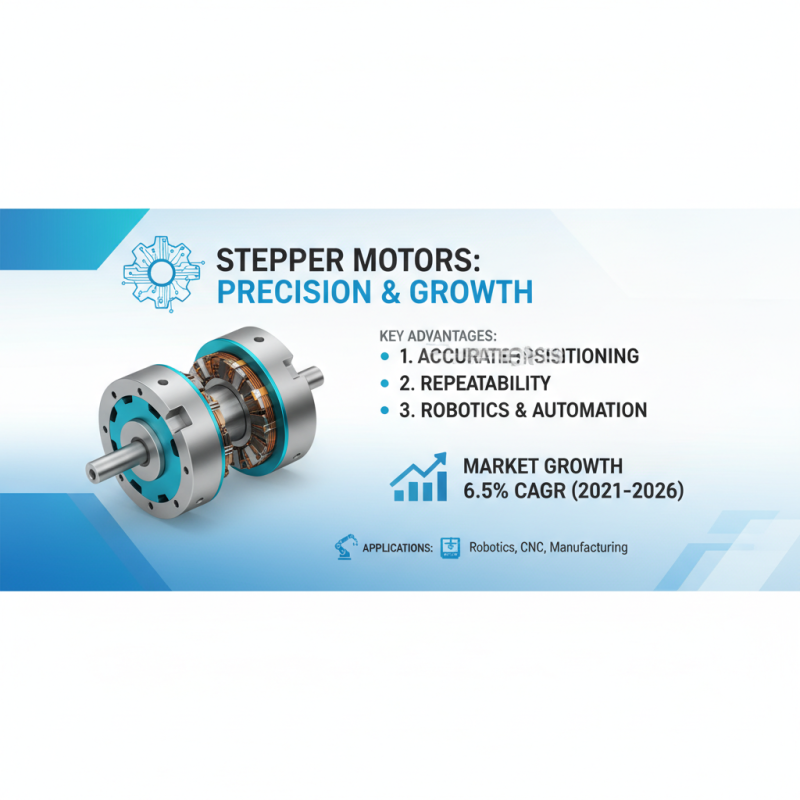
Stepper motors are essential in precision control applications. Their unique design allows for accurate positioning and repeatability. In fact, the stepper motor market is expected to grow at a compound annual growth rate (CAGR) of 6.5% from 2021 to 2026, according to industry reports. This growth reflects their rising use in robotics, automation, and CNC machinery.

These motors operate by dividing a full rotation into smaller, discrete steps. Each step is precisely controlled, making them suitable for applications requiring accurate movement. For example, in 3D printing, stepper motors provide the precise control needed for layer-by-layer construction. In the medical field, they are used in various devices that require exacting movements, such as surgical robots.

Despite their strengths, stepper motors have limitations. They can lose steps if overloaded, leading to inaccuracies. This is a risk in high-torque applications. Additionally, they may generate heat, which requires proper thermal management. Future research should focus on improving the efficiency and reliability of these motors to enhance their applications.

Specialized DC Motors: Examples and Niche Applications in Industry

In the realm of specialized DC motors, unique applications emerge across various industries. For instance, miniature DC motors are crucial in robotics. They power small robots, enabling precise movements and intricate tasks. Imagine a tiny robot arm delicately assembling components in a factory. It's fascinating how such small motors can perform substantial work in automation.

Another intriguing example is the use of coreless DC motors in medical devices. These motors are lightweight and quiet, making them ideal for surgical instruments. They help in precise operations, where even the slightest vibration could cause issues. However, the challenge remains in ensuring consistent performance over the long term. Reliability is key in such sensitive applications.

Moreover, the automotive industry uses specialized DC motors in electric vehicle designs. They drive windshield wipers and window lifts. The efficiency of these motors can impact overall vehicle performance. Yet, manufacturers often find it tricky to balance power and weight. Finding that sweet spot is a constant pursuit in innovation. Each application reveals its own set of challenges that must be addressed for optimal functionality.