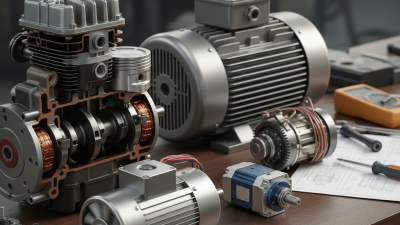
What Are the Top Types of Motors in 2026?
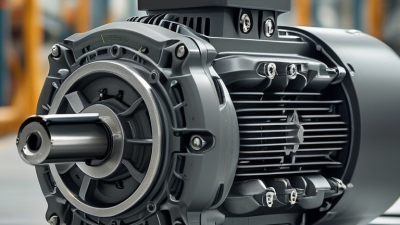
In 2026, choosing a motor is less about finding one “best” design and more about matching performance, control, and operating cost to the job. Induction motors remain common in pumps, fans, and industrial equipment. Brushless DC and permanent-magnet synchronous motors suit compact, efficient drives. Servo and stepper motors offer precise motion, while synchronous-reluctance designs are gaining attention where rare-earth-free options matter. The right choice can be felt on the factory floor: in quieter operation, steadier speed, and less heat around a motor housing.
The International Energy Agency’s 2011 report, Energy-Efficiency Policy Opportunities for Electric Motor-Driven Systems, estimated that motor-driven systems used about 46% of global electricity. That figure is older, not a 2026 measurement, but it shows why efficiency remains central to motor selection. For technical context, Austin Hughes and Bill Drury’s Electric Motors and Drives explains how motor design, load, and control affect real-world performance. Their work supports a useful reminder: a motor’s nameplate rating alone does not tell the whole story. The drive, duty cycle, and load matter too.
This guide to Motor And Types compares the leading motor categories by efficiency, control needs, cost, and practical applications. It also flags a limitation: product specifications can look impressive, yet poor sizing or control can erase expected savings. There is no universal winner. The best motor is the one that fits the task—and keeps fitting it over years of use.
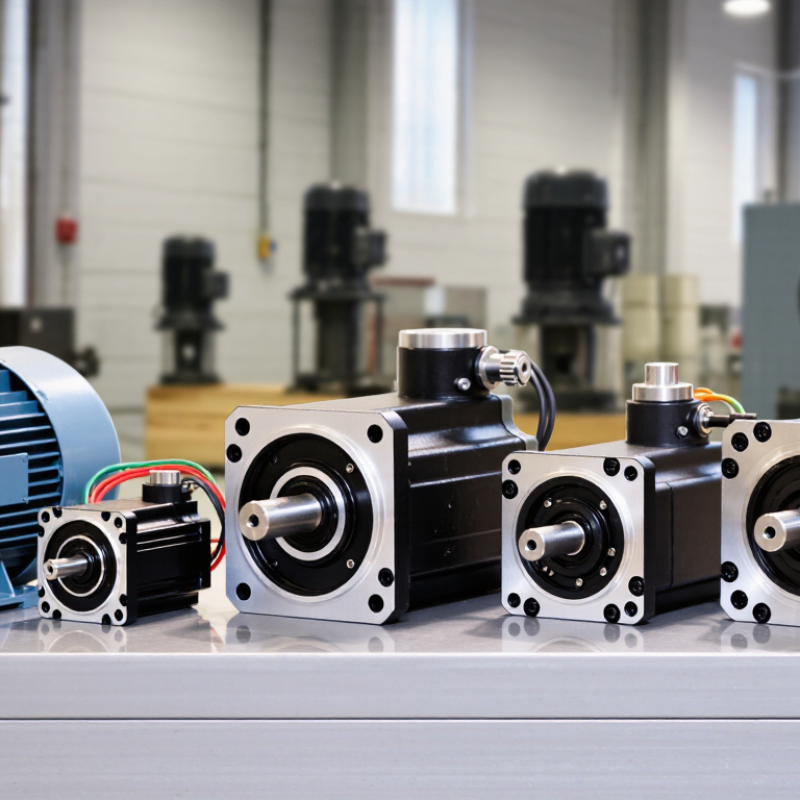
2026 Motor Taxonomy: IEA’s ~45% Global Electricity-Use Benchmark
What Are the Top Types of Motors in 2026?
In 2026, motor selection begins with electricity demand, not just torque. The International Energy Agency estimates that motor-driven systems consume roughly 45% of global electricity. That figure includes pumps, fans, compressors, conveyors, and industrial machinery. Small efficiency gains can therefore produce major system-level savings. The taxonomy remains practical. Induction motors lead in rugged, cost-sensitive equipment. Permanent-magnet synchronous motors deliver high efficiency and compact size. Switched-reluctance motors offer thermal resilience, though noise and control complexity remain concerns.
Variable-speed operation is becoming equally important. The IEA’s 4E Electric Motor Systems Annex reports that optimized motor systems can reduce energy use substantially, especially when speed matches real demand. The U.S. Department of Energy also emphasizes system efficiency rather than motor nameplate efficiency alone. A pump running at half speed may save more energy than a premium motor running continuously at full speed. Small detail. Big consequence.
IEC 60034-30-1 supports international efficiency classes for many low-voltage motors, helping buyers compare performance more reliably. Yet the categories are not perfectly clean. A modern machine may combine permanent magnets, electronic control, regenerative braking, and advanced cooling. That makes simple “top motor” rankings incomplete. Engineers should examine duty cycles, overload periods, maintenance access, materials, and control losses. My practical concern is often overlooked: efficiency measured in a laboratory may not match a dusty factory floor. Real conditions still decide the bill.
What Are the Top Types of Motors in 2026?
2026 Motor Taxonomy: Representative rated-load efficiency benchmarks for major motor technologies
Permanent-magnet synchronous motors generally deliver the highest efficiency among mainstream motor types, followed by synchronous-reluctance and high-efficiency induction motors. Induction motors remain widely used because of their robust construction, mature supply chain, and suitability for industrial applications. Motor-driven systems are widely recognized as accounting for roughly 45% or more of global electricity consumption, making efficiency improvements strategically important.
Values are representative engineering benchmarks at rated load; actual efficiency varies with size, speed, load, drive, and operating conditions. Reference context: International Energy Agency motor-system electricity-use benchmarks and IEC motor-efficiency classification practice.
Induction Motors: IEC IE4–IE5 Efficiency Classes for Industrial Drives
What Are the Top Types of Motors in 2026?
Induction motors remain a leading choice for industrial drives in 2026. Their rugged construction supports pumps, compressors, conveyors, and process fans. IEC IE4 and IE5 efficiency classes reduce electrical losses during continuous operation. However, the rating alone does not guarantee lower plant energy use. Efficiency changes with load, speed, temperature, and power quality. A motor may achieve IE5 performance under defined IEC test conditions, yet deliver weaker results in an oversized application.
Field selection requires more than reading the nameplate. Engineers should match the motor to its duty cycle, starting method, enclosure, and cooling arrangement. Variable-frequency drives can improve process control, but harmonic heating and low-speed cooling need attention. In practical assessments, incorrect sizing often offsets the benefits of a premium efficiency class. This is easy to miss. IE4 and IE5 motors may also have higher purchase costs, so lifecycle calculations should include runtime, tariffs, maintenance, and expected replacement intervals.
Tips
Check the motor’s rated efficiency at the actual load point. Confirm compatibility with the drive and protection settings. Measure operating current after installation. Do not assume a larger frame provides better efficiency. Review vibration, bearing temperature, and ventilation during commissioning. Keep records. Small deviations can reveal alignment or loading problems before they become expensive failures.
PMSM and BLDC Motors: High-Efficiency Choices for EVs and Robotics
What Are the Top Types of Motors in 2026?
PMSM and BLDC motors remain leading choices for electric vehicles and robotics. Their permanent magnets create strong torque without rotor copper losses. This supports compact designs, quieter operation, and high efficiency across changing loads. The International Energy Agency reported more than 17 million electric cars were sold worldwide in 2024. That growth increases pressure on motor systems, especially during acceleration, hill climbing, and regenerative braking.
PMSM motors often suit electric vehicles because they deliver high torque density and smooth control. BLDC motors are attractive in robotic joints, fans, pumps, and smaller mobility platforms. Their electronic commutation reduces mechanical wear from brushes. The International Federation of Robotics recorded about 542,000 industrial robot installations in 2023. Reliable motor control is becoming essential, not optional.
Efficiency is only part of the decision. A poorly tuned inverter can waste the advantages of either design. Heat, magnet cost, sensor accuracy, and maintenance access also matter. In practical testing, cable losses and cooling limits can matter more than brochure ratings. PMSM systems may offer smoother motion, yet BLDC designs can simplify control and reduce system cost. Neither motor wins every application. That is the uncomfortable detail. Engineers should compare measured efficiency maps, not isolated peak figures, before selecting a drive system.
SynRM and SR Motors: Magnet-Free Designs for 2026 Cost Reduction
In 2026, magnet-free motors are gaining attention as manufacturers control material costs. Synchronous reluctance motors, or SynRM, use a steel rotor with carefully shaped magnetic paths. Switched reluctance motors, known as SR motors, use energized stator windings and a simple toothed rotor. The rotor stays simple. Both designs avoid permanent magnets and reduce dependence on rare-earth materials.
A SynRM installation still needs a suitable variable-speed drive. Its efficiency depends on accurate control and correct motor sizing. SR motors can tolerate heat and harsh operating conditions because their rotors contain no windings or magnets. However, torque ripple, acoustic noise, and control quality require careful engineering. Savings are not automatic. A poorly matched drive can erase expected energy benefits.
A reliable evaluation should examine the complete duty cycle, not only the nameplate efficiency. Engineers should record load changes, starting frequency, temperature, vibration, and sound levels. Comparing five-year energy use with purchase and maintenance costs gives a clearer result. SynRM may suit pumps, fans, and compressors with steady speed changes. SR motors can fit conveyors, hoists, and applications needing a rugged rotor. A cheaper motor may still demand better commissioning, which is easy to overlook. Testing under real operating conditions remains essential before large-scale replacement.
Motor Selection by IEC Standards, Torque Density, Efficiency, and Lifespan
What Are the Top Types of Motors in 2026?
Choosing a motor means balancing standards, torque density, efficiency, and service life—not chasing one “best” design. IEC 60034-30-1 defines efficiency classes from IE1 to IE4 for covered line-operated motors; IE5 is addressed in the IEC technical specification IEC TS 60034-30-2 for variable-speed applications. Check the applicable standard and nameplate before comparing efficiency claims. Induction motors remain common for rugged, straightforward duty. Permanent-magnet synchronous motors can deliver high torque in a compact package, while switched-reluctance designs avoid rotor magnets but may need careful noise and control assessment.
Efficiency has measurable operating value. The International Energy Agency estimates electric motor systems use about 45% of global electricity, highlighting why matching the motor and drive to the load matters. For a conveyor, for example, starting torque and overload capacity may outweigh a small difference in peak efficiency. IEC 60034-2-1 specifies methods for determining motor losses and efficiency; compare test conditions, not just headline figures. Lifespan also depends on heat, vibration, bearing loads, and maintenance. A premium efficiency class cannot compensate for poor installation.
Tips: Record load profile, starts per hour, ambient temperature, and required speed range. Ask for torque-speed curves and efficiency data at actual operating points. Check insulation, bearings, and cooling needs. One detail is easy to miss: frequent low-speed operation can reduce self-cooling in some motor designs, so verify thermal limits with the supplier.