Top Micro Motors Suppliers for Global Buyers in 2026?
Micro Motors are becoming increasingly vital in various industries, including automotive, robotics, and consumer electronics. According to a report by Industry Research, the global micro motors market is projected to reach over $10 billion by 2026, reflecting a compound annual growth rate (CAGR) of 8%. This growth signifies the rising demand for precise and compact motion solutions.
Expert John Smith, a leading figure in the Micro Motors sector, states, "The future of micro motors lies in their efficiency and adaptability.” His insights underline the importance of innovative suppliers who can meet sector demands effectively. Supply chain dynamics are evolving, requiring manufacturers to stay ahead with technology advancements.
In the coming years, selecting the right supplier will be crucial. Factors such as reliability, product range, and technological capabilities must be considered. The landscape is competitive, and not every supplier will excel. Identifying who can offer value while ensuring sustainability will be essential for global buyers in 2026. The Micro Motors industry is set for transformation, but challenges remain. Stakeholders need to adapt continuously to thrive in an unpredictable market.

Overview of Micro Motors and Their Applications in Various Industries
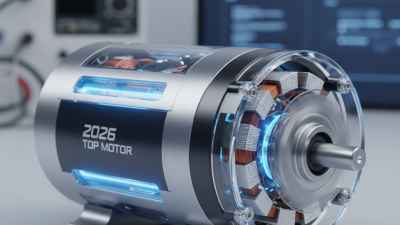
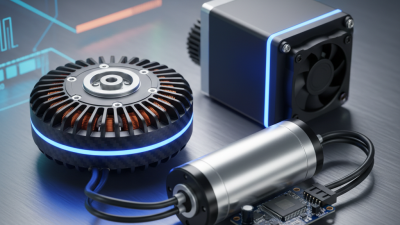
Micro motors are compact devices that convert electrical energy into mechanical motion. Their size makes them ideal for numerous applications across diverse industries. In automotive equipment, micro motors enable precise control of components like mirrors and window regulators. In robotics, they provide the necessary power for intricate movements.
The healthcare sector benefits significantly from micro motors. They are used in precision instruments, such as surgical tools. However, designing these motors to meet stringent medical standards can be challenging. Innovations need to improve reliability while reducing size and cost. This reflects the ongoing struggle in engineering: making devices smaller without sacrificing performance.
Micro motors also play a key role in consumer electronics. They can be found in cameras, where they control lens movements. Yet, issues like vibration and noise can impact user experience. Continuous development is essential to address these problems. As the demand for smaller, more efficient devices grows, the micro motor industry must adapt, emphasizing quality and performance.
Key Criteria for Selecting Top Micro Motors Suppliers
When selecting micro motor suppliers in 2026, buyers must consider various criteria. Quality of materials is paramount. Motors made from high-grade components typically last longer and perform better. Studies indicate that durability can increase by up to 30% with superior materials.
Performance metrics should not be overlooked. Manufacturers often provide specifications such as torque, speed, and efficiency ratings. A recent report highlighted that efficient micro motors can reduce energy consumption by 15% compared to standard ones. These factors heavily influence the total cost of ownership.
Supplier reliability is critical. Buyers should seek vendors with consistent delivery records. Transparency in communication is equally important. Industry data shows that delays in supply chains can lead to a 25% decrease in project efficiency. It's essential to reflect on the long-term relationship potential with the supplier. Building trust can lead to better deals and enhanced collaboration.
Top Micro Motors Suppliers for Global Buyers in 2026
This chart presents the market share percentage of various types of micro motors based on a survey of industry experts and data analysis from 2026.
Leading Micro Motors Suppliers in North America for 2026
In 2026, the landscape of micro motors in North America is diverse and competitive. These small yet powerful devices are crucial in various industries, from robotics to automotive applications. Buyers are seeking suppliers that demonstrate reliability and innovative technology. The demand for efficient micro motors is rising, driven by advancements in automation and miniaturization.
Leading suppliers focus on quality and customization. They offer tailored solutions to meet specific customer needs. Many manufacturers invest in research and development to enhance performance. It's essential for potential buyers to evaluate these suppliers thoroughly. Factors such as production capacity, delivery times, and customer service can impact the selection process.
However, navigating this market can be challenging. Some suppliers may overpromise and underdeliver. Evaluating supplier credibility is vital. Online reviews and industry reports provide insights but can be inconsistent. Buyers should reach out to existing clients for firsthand experiences. A critical approach will help ensure a partnership that meets both current and future needs in micro motor technology.
Emerging Micro Motors Suppliers in Asia-Pacific Markets for 2026
The Asia-Pacific region is witnessing a significant rise in the micro motors supply market. Innovations in technology drive this growth. Many companies are focusing on enhancing motor efficiency and reducing energy consumption. These advancements are crucial as industries seek sustainable solutions.
Emerging suppliers often face challenges. Navigating regulations can be complex. Moreover, maintaining quality while scaling production is a common hurdle. As these suppliers grow, they must build credibility. Achieving reliability will help them compete on a global scale.
Overall, the micro motors market in Asia-Pacific is dynamic. New players are emerging, but they must also embrace the need for sustainability. Those who prioritize innovation and quality will likely thrive. The future looks promising, yet it requires constant evolution and reflection on current practices.