Top 10 Electric Motors for Vehicle Performance and Efficiency Solutions?
The automotive industry is rapidly evolving, with a strong focus on sustainability and performance. Electric motors are at the forefront of this transformation. An "Electric Motor For Vehicle" plays a crucial role in enhancing efficiency and performance. Choosing the right motor can greatly impact a vehicle’s range and responsiveness.
Many electric motors are designed to meet various driving needs. Each comes with unique features and benefits. Some motors excel in acceleration, while others prioritize extended range. This diversity allows manufacturers to tailor vehicles to specific markets.
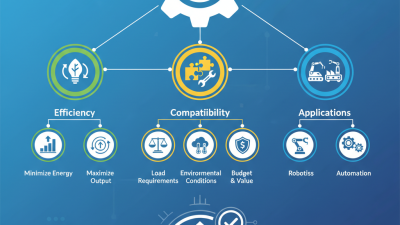
However, selecting the best electric motor can be complex. There are numerous factors to consider. Efficiency, power output, and heat management are just a few. Evaluating the right electric motor for your vehicle is not always straightforward. The options are diverse, and not every choice will suit your needs perfectly. Understanding these nuances is key to optimizing vehicle performance.
Overview of Electric Motor Types for Vehicles
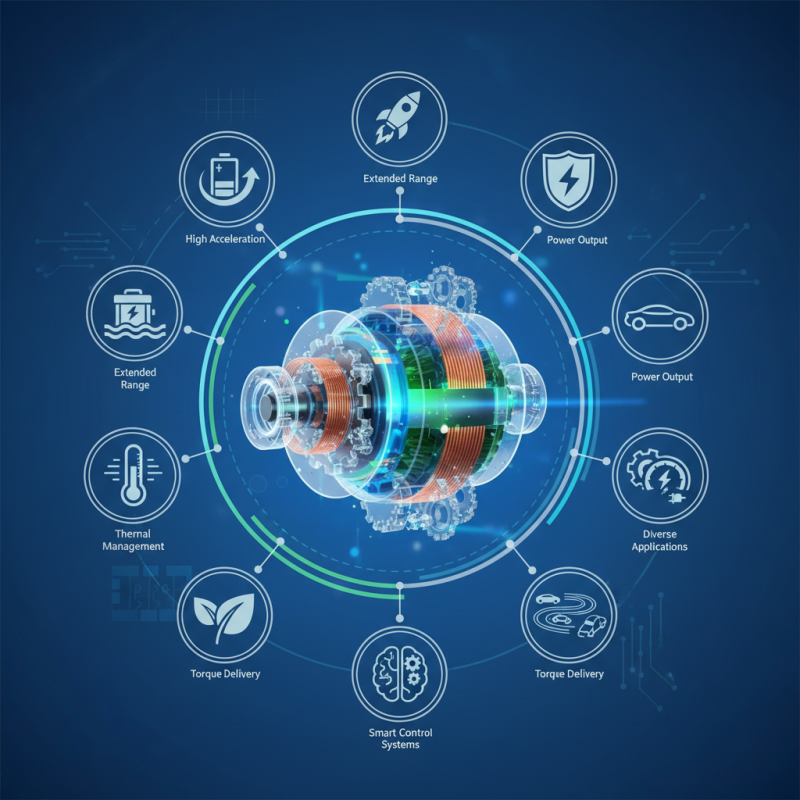
Electric motors are vital for enhancing vehicle performance and efficiency. Various types of electric motors serve different needs. Brushless DC motors (BLDC) minimize maintenance and increase longevity. Reports indicate that BLDC motors improve efficiency by up to 20% compared to brushed motors, making them popular in electric vehicles (EVs). Their torque density and power output are significant for high-performance applications.
Another common type is the induction motor. These motors are known for their robustness and reliability. According to the International Energy Agency, induction motors account for approximately 90% of all electric motors used in the industry. However, they are not always the most efficient choice, particularly in smaller EVs where weight and space are constrained. This shows the importance of selecting the right motor type based on vehicle design and application.
Switched reluctance motors (SRM) offer high reliability and low cost but have limitations. Their control strategies can lead to vibrations and noise issues. In practical scenarios, challenges arise, such as thermal management and higher complexity in electronics. Continuous research is necessary to overcome these issues and improve electric motor technology. The evolution of motor types reflects the ongoing need for innovation in the automotive sector.
Key Performance Metrics for Electric Motors
Electric motors play a crucial role in vehicle performance and efficiency. When evaluating electric motors, several key performance metrics come into play. These include torque, power density, efficiency, and thermal management. Torque is essential for acceleration and hill-climbing ability. Higher torque means better responsiveness.
Power density measures how much power an electric motor can produce in relation to its size. A more compact motor can lead to a lighter vehicle. Efficiency rates determine how much energy is converted into usable power. Higher efficiency means reduced energy waste. Thermal management is vital for maintaining motor performance. Excess heat can lead to a decline in performance.
In practical terms, these metrics can influence real-world driving experiences. Understanding them helps in choosing the right motor for different vehicle applications. Yet, it's worth noting that focusing solely on numbers can overlook user satisfaction. A motor that excels in metrics might not resonate with all drivers. Balancing objective performance with subjective experience is a continuous challenge in the industry.
Top 10 Electric Motors for Vehicle Performance and Efficiency Solutions
Leading Brands in Electric Vehicle Motor Technology
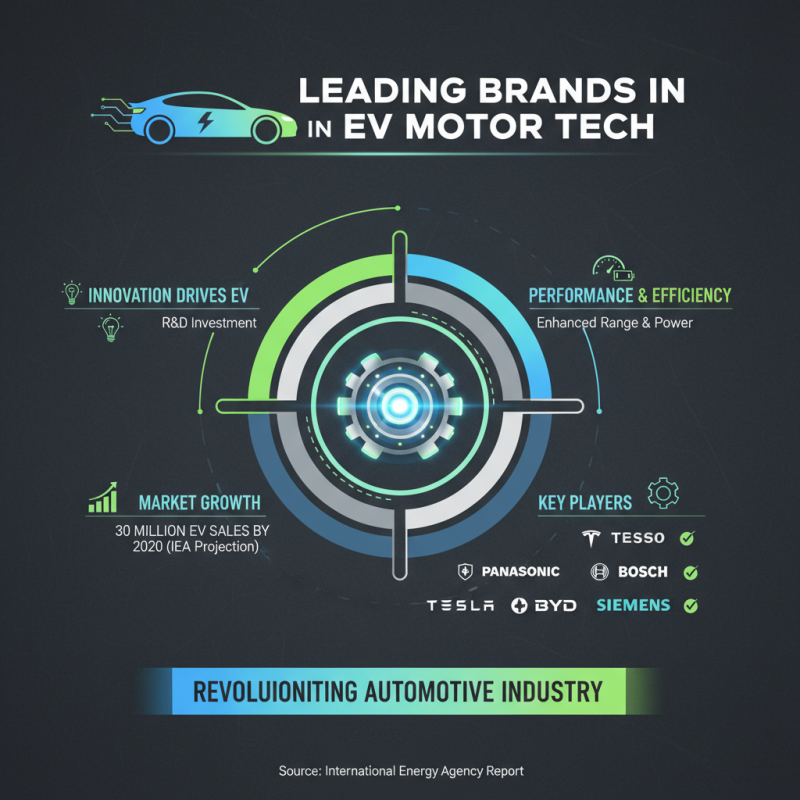
Electric vehicle (EV) motors have revolutionized the automotive industry. The focus is now on performance and efficiency. Leading brands invest heavily in research and development. This investment results in high-performance motors that enhance vehicle range and power. According to a report by the International Energy Agency, EV sales are projected to reach 30 million units by 2030. This growth places pressure on manufacturers to improve motor technology.
Many electric motors excel in torque delivery. This permits rapid acceleration, making vehicles perform better. Some motors achieve over 95% efficiency during operation. This efficiency translates to more miles per charge. Reports indicate ongoing developments in rare-earth magnet technology, which could lead to lighter and more powerful motors. These advancements come with challenges, including supply chain dependencies and the environmental impact of mining.
Innovative cooling systems also play a critical role. They prevent overheating, allowing motors to operate at peak efficiency for longer durations. However, the complexity of these systems can sometimes lead to malfunctions, requiring frequent maintenance. Thus, while many advancements are evident, the industry must address reliability issues. Manufacturers need to balance performance gains with sustainable practices to ensure long-term viability in the EV market.
Innovative Features Enhancing Motor Efficiency
Electric motors are revolutionizing vehicle performance and efficiency. Innovative features have emerged, enhancing their efficiency significantly. For instance, advanced materials like silicon carbide are being used to improve power density. Data shows that these materials can increase efficiency by up to 5% compared to traditional silicon components.
Another key innovation is regenerative braking. This feature captures kinetic energy during braking, converting it back to electrical energy. Estimates indicate that this can improve overall energy efficiency by about 20%. Also, the use of smart control systems is on the rise. These systems adapt the motor's performance in real-time, optimizing power usage based on driving conditions.
However, challenges remain. Not all electric motors are designed for maximum efficiency. Some designs may fall short in performance under certain conditions. Additionally, the reliance on rare materials for manufacturing could impact sustainability. Industry experts emphasize the need for further research in this area. Continuous improvement in motor design and technology is necessary for achieving higher efficiency without compromise.
Future Trends in Electric Motor Development for Vehicles
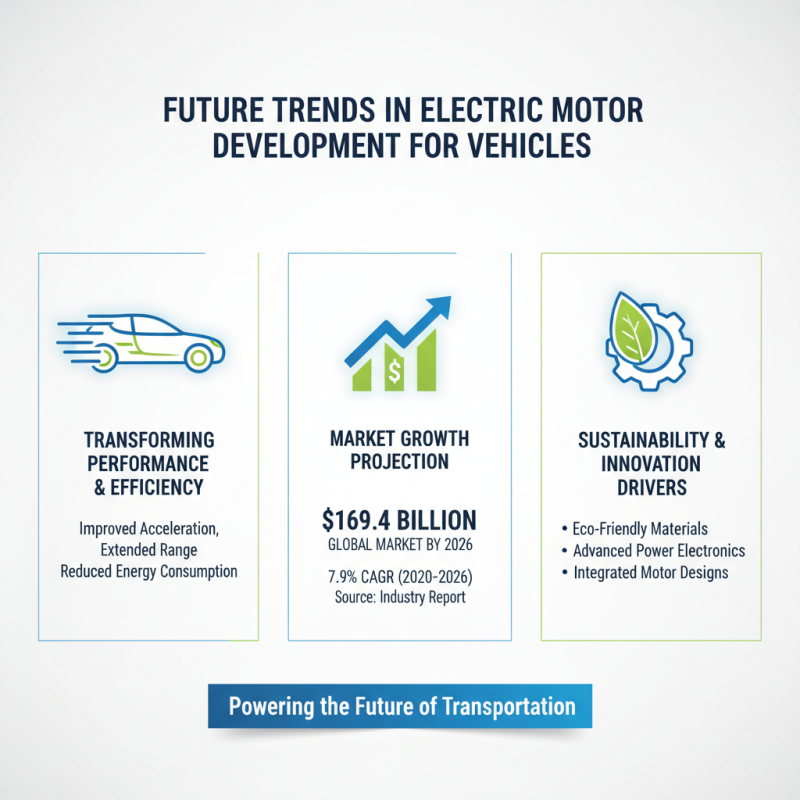
Electric motors are transforming vehicle performance and efficiency. As automakers prioritize sustainability, advancements in electric motor technology are gaining momentum. A recent report predicts that the global electric motor market will reach $169.4 billion by 2026, growing at a compound annual growth rate (CAGR) of 7.9%. This reflects the increasing investment in electric vehicle (EV) infrastructure and technology.
Research indicates that high-efficiency motors can deliver up to 90% energy efficiency. This not only improves vehicle range but also reduces energy waste. Innovations such as integrated motor drives are gaining traction. These designs can minimize space and weight, which is vital for enhancing vehicle agility. However, the challenge remains in the thermal management of compact systems. Overheating can lead to performance loss.
Another trend is the integration of artificial intelligence in electric motor controls. AI can optimize power usage in real-time, adapting to driving conditions. Reports show that vehicles equipped with AI-driven motors achieve up to 15% better energy efficiency. While this reflects a promising future, manufacturers must address data privacy concerns surrounding AI applications. Balancing innovation with robust security measures is crucial for broader acceptance. The future of electric motors holds great potential, yet it requires careful navigation of these emerging challenges.