What is a Motor Controller and How Does it Work?
A Motor Controller is a pivotal component in modern electrical systems, playing a significant role in various industries. According to the Global Market Insights report, the motor controller market is expected to reach $30 billion by 2026, driven by the rise in industrial automation. These devices regulate the performance of electric motors, ensuring efficiency and precision.
In manufacturing, for instance, Motor Controllers help optimize machinery operations. They control the speed, direction, and torque of motors, enhancing productivity. The ability to customize motor performance is essential in applications ranging from robotics to HVAC systems. However, while technology advances, issues like thermal management and control algorithms need continual improvement.
Moreover, the reliability of Motor Controllers is paramount. Manufacturers often encounter challenges in maintaining performance amid harsh environments. This highlights the importance of researching and developing robust solutions. Understanding how Motor Controllers function is essential for engineers and technicians to ensure optimal motor performance.
What is a Motor Controller?
A motor controller is an essential component in electrical systems involving motors. It regulates the power delivered to the motor, allowing for precise control of speed and torque. By adjusting the voltage and current, the controller influences how the motor operates. This function is critical in applications from industrial machinery to household appliances.
Understanding the working mechanism of a motor controller requires some technical knowledge. At its core, it interprets input signals and converts them into commands that the motor can understand. The controller can be simple or complex, depending on the application. For instance, basic controllers may use on/off signals, while advanced ones employ pulse-width modulation for smoother operation.
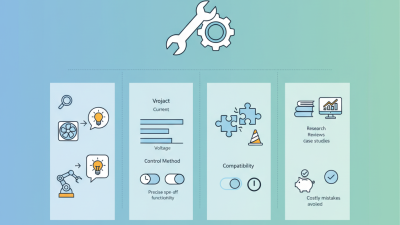
Tips: Always check the compatibility of the motor controller with your motor type. Incorrect pairing can lead to inefficiency or damage. Also, ensure proper cooling mechanisms are in place, as overheating is a common issue in motor control systems. Regular maintenance checks can prevent unexpected failures and extend durability.
Adjusting settings on a motor controller can sometimes lead to unintended outcomes. Fine-tuning is often necessary to achieve optimal performance. Be prepared to experiment with different configurations to find what works best for your setup.
Types of Motor Controllers and Their Applications
Motor controllers play a vital role in various applications. They regulate the power supplied to motors, ensuring efficiency and precision. Different types cater to specific needs, including DC, stepper, and servo motor controllers.
DC motor controllers are commonly used in simple applications. They control speed and direction easily. For instance, in electric vehicles, these controllers manage acceleration and deceleration effectively. Stepper motor controllers are crucial in precision tasks. They provide discrete movements, making them ideal for 3D printers and CNC machines. Servo motor controllers excel in robotics. They allow fine-tuned movements, essential for tasks requiring accuracy.
Each type has strengths and weaknesses. Notably, DC controllers can struggle with load variations. Stepper controllers may lose steps under heavy loads. Understanding these limitations is key for effective implementation. It's crucial to assess requirements before choosing a motor controller. Engaging with experts can help identify the best options for specific applications.
Basic Components of a Motor Controller
A motor controller is essential for managing the performance of electric motors. It regulates voltage, current, and speed, ensuring efficiency and reliability. Understanding its basic components is crucial for anyone working with motors.
One primary component is the microcontroller. This unit interprets input signals and sends commands to the motor. It ensures precision control, allowing for adjustments in speed and torque. According to a recent industry report, microcontrollers account for 40% of motor controller functionality.
The power stage is another vital part. This component converts the low-power control signals into higher-power outputs that drive the motor. It's where switching devices, like transistors or MOSFETs, come into play—responsible for energy transmission. Some reports indicate that defects in the power stage can reduce operational lifespan by up to 30%.
Learning about these components can enhance system performance. Engage with basic simulations to visualize how motor controllers interact with components. Experimenting with different configurations can reveal potential inefficiencies. Embrace the complexity; troubleshooting often leads to greater understanding. Seek out informative workshops or webinars focusing on motor controller technology.
How Motor Controllers Regulate Motor Speed and Torque
Motor controllers are essential components in regulating the speed and torque of electric motors. They achieve this by adjusting the power supplied to the motor. Various methods can be employed to control this power. For instance, Pulse Width Modulation (PWM) is widely used. PWM works by rapidly switching the power on and off, which effectively controls the average power reaching the motor. The result is smooth and efficient motor operation.
Controlling motor speed and torque involves careful calibration. The controller processes feedback from the motor, such as its speed and load. With this data, it can make real-time adjustments. This creates a responsive system. However, tuning a motor controller can be challenging. Small errors in settings might lead to inefficient performance. In some cases, this could cause overheating or excessive wear on the motor.
In the realm of robotics and automation, the importance of precise control cannot be overstated. Irregularities in speed control can impact the overall efficiency of a system. Understanding the nuances of how motor controllers operate is vital for engineers and hobbyists alike. Misconfigurations can arise from oversight, proving the necessity of thorough testing and feedback mechanisms in any motor-controlled system.
The Importance of Motor Controllers in Automation Systems
Motor controllers play a crucial role in automation systems. These devices regulate the performance of electric motors, ensuring they operate efficiently and reliably. Without a motor controller, the behavior of a motor can be unpredictable and inefficient. Its function extends beyond mere speed regulation; it can also manage torque and direction, which are key for various industrial applications.
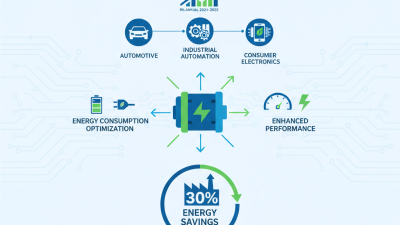
In the world of automation, precise control is vital. Motor controllers help to optimize processes, reduce energy consumption, and enhance overall system performance. For example, using a motor controller can lead to significant energy savings in an assembly line operation. However, the complexity of motor controllers can pose challenges. Understanding their functionality and limitations is essential for engineers and technicians alike. Mistakes in implementation can lead to operational inefficiencies or even damage.
Investing time in selecting the right motor controller is important. The choice should align with the specific requirements of the system. A deep understanding of the desired outcomes can prevent future issues. It’s not just about what a motor controller can do; it’s about how it integrates into larger systems. Learning through experience can guide improvements and innovations in automation technologies.