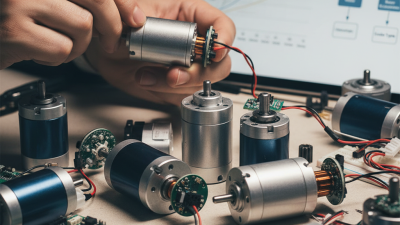
Explore Various Types of DC Motors for Global Buyers?
In the dynamic world of engineering, understanding the "Various Types of DC Motors" is essential for global buyers. John Smith, a leading expert in motor technology, once stated, "Choosing the right DC motor can significantly enhance the efficiency of your application." This highlights the critical nature of selection in various industries, from robotics to automotive.
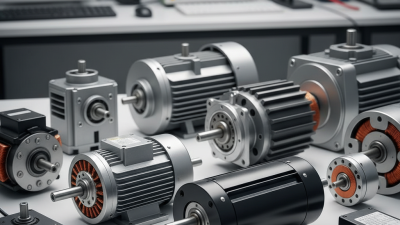
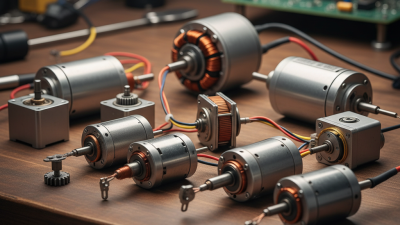
DC motors come in numerous forms, each designed for specific applications. Brushed DC motors are known for simplicity and cost-effectiveness. In contrast, brushless types offer higher efficiency and longevity. As global demand grows, engineers must evaluate motor types meticulously to meet unique operational needs.
Navigating the landscape of DC motors is challenging. Many buyers struggle with technical specifications and application suitability. With emerging technologies, staying informed is vital. An informed choice can lead to enhanced productivity and reduced energy consumption, benefiting both manufacturers and consumers.
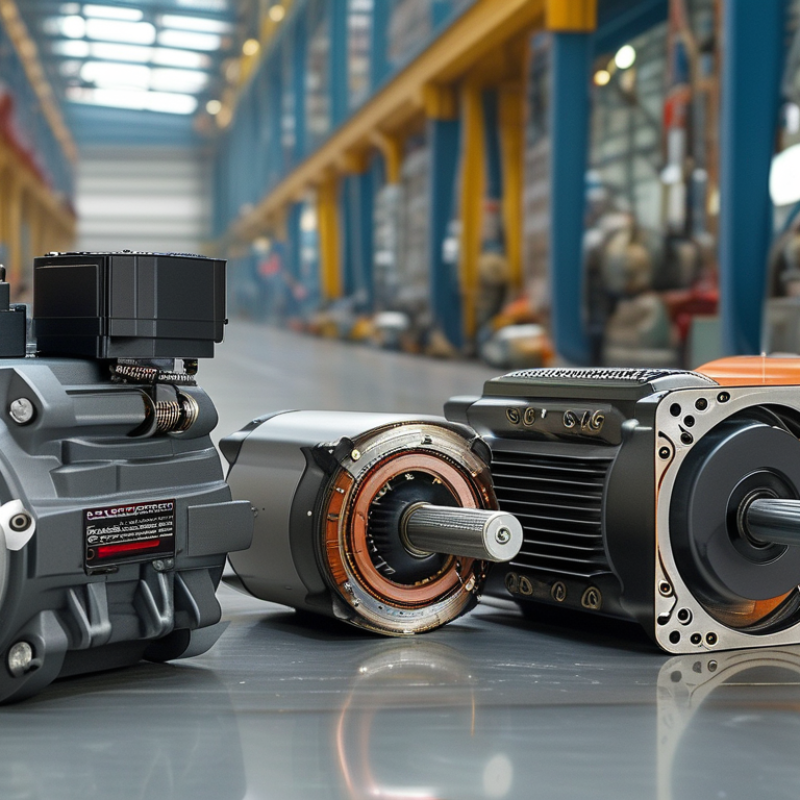
Types of DC Motors: Understanding Their Distinct Characteristics
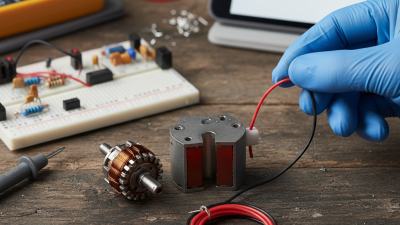
When exploring various types of DC motors, understanding their distinct characteristics is crucial. DC motors are commonly used in numerous applications. They can be classified primarily into brushed and brushless types. Brushed motors incorporate physical brushes to conduct electricity.
These motors are often simpler and cheaper to manufacture. However, they may require more maintenance due to brush wear.
On the other hand, brushless DC motors use electronic controllers. This design provides longer life spans and higher efficiency. Yet, they demand a more intricate setup and possibly higher initial costs. The choice between brushed and brushless motors often hinges on the specific application's requirements.
In addition, there are variations like permanent magnet and series-wound DC motors. Permanent magnet models offer compact size and improved efficiency. Series-wound types excel in high torque applications but might be less efficient at low speeds.
Understanding these differences can guide buyers in selecting the most suitable motor.
It's vital to keep learning about these technologies, as they continually evolve and improve.
Comparative Analysis of Brushed vs. Brushless DC Motors
Brushed and brushless DC motors are prevalent in various industries.
Brushed motors are simple and cost-effective. They feature a commutator system that wears down over time.
Regular maintenance is necessary to replace brushes. Users often overlook this aspect, which can lead to sudden failures.
On the other hand, brushless motors offer durability. They have a high efficiency due to the absence of brushes. Heat generation is minimal, which extends their lifespan.
However, these motors typically have a higher initial cost. Some users find the complexity of their electronics daunting. This could be a barrier for those less experienced with motor technology.
In practical applications, choosing between these two types is critical.
Brushed motors are ideal for low-cost, low-power applications.
Brushless motors excel in performance-demanding scenarios. Understanding the specific needs of the project is essential.
Many buyers may rush this decision. Evaluating each option carefully can lead to better outcomes.
Key Applications of DC Motors in Various Industries
DC motors play a crucial role across various industries due to their efficiency and versatility. In manufacturing, for example, DC motors drive conveyor belts and robotic arms. According to a recent industry report, the global DC motor market is projected to grow significantly, with an estimated CAGR of 6.5% from 2021 to 2026. This growth indicates a rising demand for automation in industrial applications.
In the automotive sector, DC motors are essential in power steering and electric windows. Their reliability and compact size contribute to vehicle efficiency. Similarly, in consumer electronics, they power devices such as vacuum cleaners and hair dryers. The versatility of these motors allows for widespread adoption in both small and large applications.
**Tips:** When selecting a DC motor, consider factors like torque, speed, and size. Ensure it matches your specific application requirements to optimize performance. Additionally, be mindful of heat dissipation, as poor management can lead to motor failure. Remember, the right choice enhances operational efficiency and longevity.
Explore Various Types of DC Motors for Global Buyers - Key Applications of DC Motors in Various Industries
| Type of DC Motor |
Key Applications |
Advantages |
Common Industries |
| Brushed DC Motor |
Electric vehicles, toys, household appliances |
Simple control, low cost |
Consumer electronics, automotive |
| Brushless DC Motor |
Industrial automation, drones, HVAC systems |
High efficiency, long lifespan |
Manufacturing, aerospace |
| Stepper Motor |
3D printers, CNC machines, robotics |
Precise positioning, easy to control |
Manufacturing, medical equipment |
| Servo Motor |
Robotics, conveyor systems, cameras |
High performance, closed-loop control |
Robotics, automation |
| Coreless DC Motor |
Medical devices, portable tools |
Lightweight, fast response |
Healthcare, aerospace |
Market Trends and Demand Forecast for DC Motors Globally
The global demand for DC motors has shown a steady rise over the past few years. According to a recent report, the market is projected to grow at a CAGR of 6.5% from 2023 to 2030. Factors such as automation in automotive and industrial sectors drive this growth. The increasing need for efficient machinery highlights DC motors' versatility.
Tips: Understanding different DC motor types is crucial. Brushless DC motors are gaining popularity for their high efficiency and low maintenance. In contrast, brushed DC motors are preferred in applications requiring low initial costs. Moreover, concerns regarding environmental impact enhance the demand for energy-efficient motors.
Market trends indicate a shift toward compact designs. This is evident in applications ranging from robotics to renewable energy systems. However, technical challenges like overheating need careful attention. Manufacturers should prioritize R&D to address these issues. Continuous innovation will be key to meeting growing consumer expectations.
Technical Specifications: Voltage, Speed, and Torque of DC Motors
DC motors are widely used in various applications due to their reliability and versatility. When selecting a DC motor, understanding its technical specifications is crucial. Voltage, speed, and torque are key factors that can significantly affect performance.
Voltage ratings determine the power supply needed for a motor. A motor operating at a higher voltage can generally deliver more speed and torque. However, exceeding voltage limits can lead to overheating or failure. Speed is another vital aspect. It relates to how fast the motor can turn. Typical speeds range from a few hundred to several thousand RPM. Users must consider the application to select a motor with the correct speed profile.
Torque is critical for applications requiring strong initial movement or load handling. It refers to the rotational force produced by the motor. Different motors provide varying torque levels based on their design and specifications. It's essential to match the torque needs to prevent underperformance. Users often overlook the importance of these specifications, leading to inefficient motor selection. Understanding these parameters allows for more informed decisions in choosing the right DC motor for specific needs.