10 Essential Tips for Using DC Brushed Motors Effectively?
In the world of robotics and automation, understanding the essentials of Motor DC Brushed technology is crucial. These motors offer a simple and cost-effective solution for various applications. However, to maximize their performance, users must navigate some intricacies. Effective usage involves more than just connecting power; it requires knowledge and practical application.
Using Motor DC Brushed motors effectively can lead to enhanced efficiency and longevity. Users often overlook essential factors, like load alignment and power supply quality. Weak connections or improper loads can cause inefficiencies. Moreover, regular maintenance is essential for preventing wear and tear. It's easy to forget these aspects, yet neglecting them can result in significant setbacks.
To truly benefit from Motor DC Brushed systems, users need to embrace a hands-on approach. Trial and error may lead to better understanding. Enthusiasts sometimes find themselves overwhelmed by the details. Reflecting on challenges encountered can lead to deeper insights. By considering various environments and applications, one can unlock the full potential of these motors. Engaging with the technology can foster innovation and improved designs in the future.
Understanding DC Brushed Motors: Basics and Applications
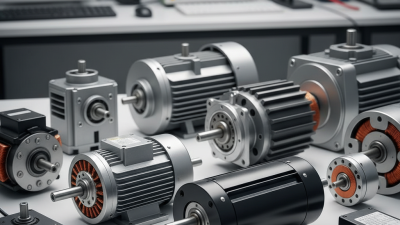
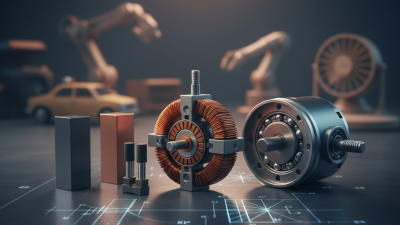
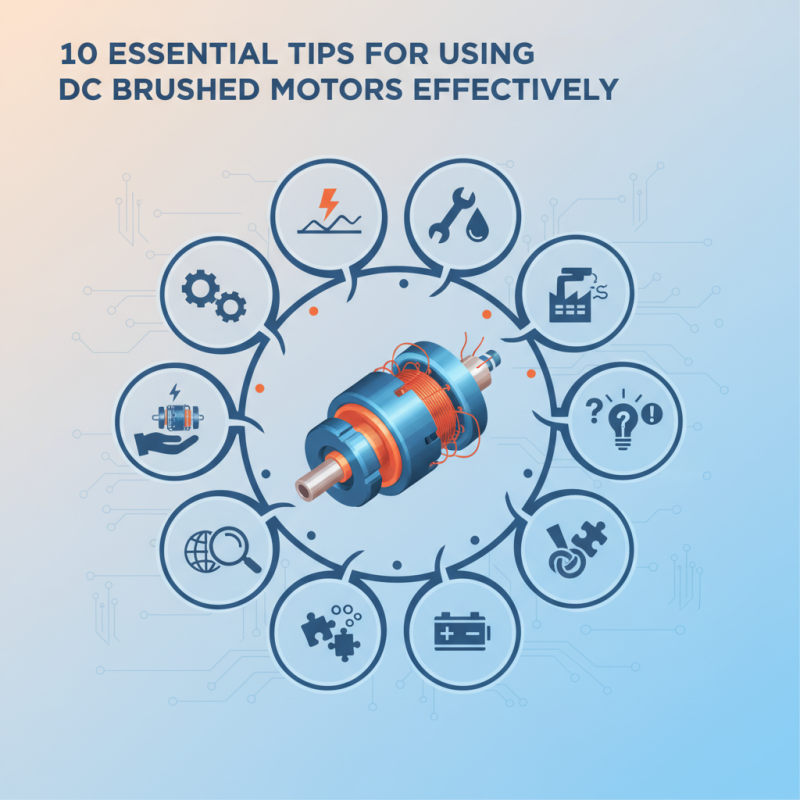
DC brushed motors are fundamental components in many applications. These motors operate by utilizing an electromagnetic field. They convert electrical energy into mechanical energy efficiently. Understanding their basic construction and function is vital for effective use. Each motor comprises stators, rotors, and brushes. These parts work together to create movement. When the current flows, the brushes maintain contact with the commutator, allowing motion.
Applications of DC brushed motors are diverse. They are found in toys, power tools, and small appliances. Their simplicity and ease of control make them ideal for such purposes. However, they have limitations. Brush wear can lead to maintenance issues. Their efficiency may decrease over time due to friction. Users should be aware of these drawbacks.
Incorporating feedback mechanisms can enhance performance. Regular maintenance is crucial for longevity. It allows users to identify wear before it becomes a problem. Understanding load conditions is also necessary. Overloading can lead to overheating and premature failure. Recognizing these factors can lead to better decision-making when selecting and using these motors.
Choosing the Right DC Brushed Motor for Your Project
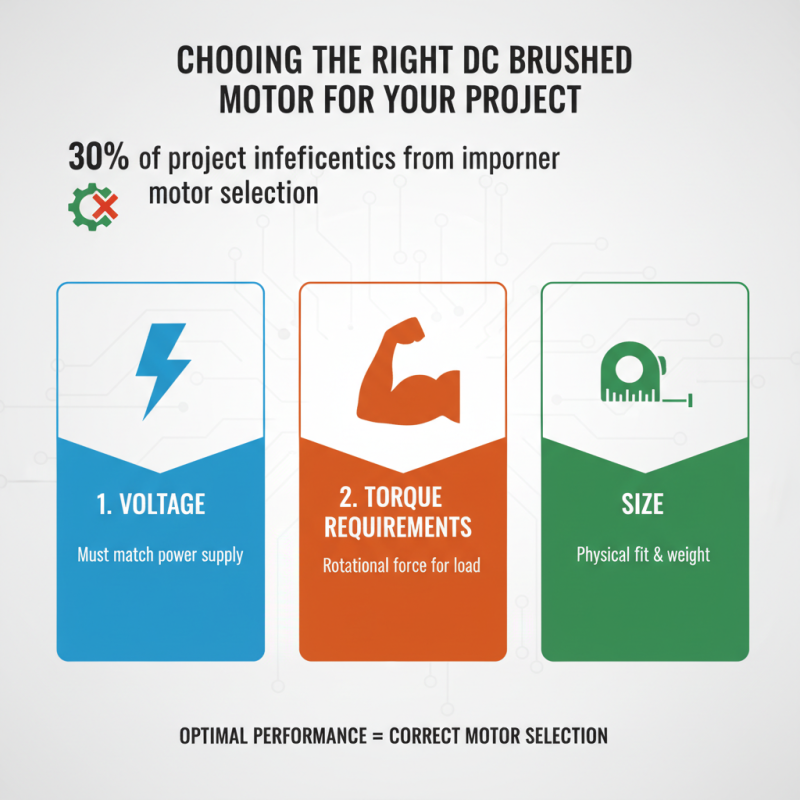
Choosing the right DC brushed motor for your project is crucial for achieving optimal performance. According to industry reports, approximately 30% of project inefficiencies stem from improper motor selection. The key factors to consider include voltage, torque requirements, and size. Each factor plays a vital role in the motor's effectiveness within your specific application.
When selecting a DC brushed motor, evaluate your project's torque needs. Motors with higher torque ratings are better suited for applications requiring more power. Additionally, understanding the voltage specifications is critical. Using a motor rated for a higher voltage than your system can lead to burnout. Remember to check the motor's speed ratings as well. A mismatch may result in performance issues.
Tip: Test various motors in controlled conditions. This practice provides insight into real performance, helping refine your selection. Compare torque curves and efficiency ratings from different sources to make informed decisions. Be aware that a motor perceived as ideal may not always align with project needs. Regularly reassess your choices to ensure sustained effectiveness throughout your project's lifecycle.
Maximizing Efficiency: Tips for Operating DC Brushed Motors
DC brushed motors remain a popular choice in many applications due to their efficiency and simplicity. However, to maximize their effectiveness, operators must adopt certain practices. According to a report by the International Electromechanical Commission, proper maintenance can enhance motor lifespan by up to 40%. Regular checks on the brushes and commutators are essential to ensure optimal performance.
One important tip is to use proper voltage levels. Operating a motor at its rated voltage ensures minimal heat build-up. Heat can cause serious damage and may reduce efficiency. Ensure that the motor is properly ventilated, as poor airflow can result in overheating. A well-ventilated environment often leads to a lower failure rate.
Additionally, the load on the motor needs to be monitored closely. Running a motor under excessive load can lead to burnout, while running it too lightly may lead to inefficient operation. It's crucial to find a balanced load that aligns with the motor's specifications. This balance not only improves energy efficiency but also enhances overall performance, as studies indicate that motors running at optimal loads are 30% more efficient. Implementing these tips can significantly improve the efficiency and reliability of DC brushed motors.
Maintenance Practices for Longevity of DC Brushed Motors
Maintaining DC brushed motors is crucial for their longevity. Proper maintenance can prevent premature wear and ensure optimal performance. One essential practice is regular inspection. Check for signs of wear on brushes and commutators. This inspection helps identify potential issues early, allowing you to address them before they escalate.
Another tip is to keep the motor clean. Dust and debris can build up, affecting efficiency. Use compressed air to blow out particles. If your application allows, consider using covers to reduce dust exposure. Ensure your motor operates in a suitable environment. Extreme temperatures can impact performance.
Lubrication is vital but requires caution. Too much grease can lead to overheating. Aim for a moderate application on bearings. Document your maintenance routine. Note times and methods used. This practice will help you assess what works best and what needs adjustment.
Regular checks and a structured approach will extend the life of your motor. Considerations like these will enhance reliability and service life, making your investment worthwhile.
Common Issues and Troubleshooting Techniques for DC Brushed Motors
DC brushed motors are widely used in various applications, but they come with their share of challenges. Common issues include brush wear, electrical noise, and overheating. According to a report by the International Electrotechnical Commission (IEC), over 45% of motor failures can be traced back to brush problems. Regular inspection and maintenance can significantly enhance the motor's lifespan.
When troubleshooting, check for abnormal sounds. Loud popping or grinding noises can indicate worn brushes or misalignment. Monitor the temperature as well. Motors operating beyond the typical range of 60°C may experience accelerated wear. The NEMA standards recommend maintaining operational temperatures within specified limits to prevent damage.
It’s essential to understand that not all issues are easily fixable. In some cases, replacing components or even the entire motor may be necessary. Documentation of performance data can help identify trends over time. These insights may guide users in recognizing potential issues early. Seeking advice from professionals in the field often leads to better maintenance practices, ensuring optimal performance of DC brushed motors.
10 Essential Tips for Using DC Brushed Motors Effectively
| Tip |
Description |
Common Issues |
Troubleshooting Techniques |
| Proper Voltage |
Ensure the motor operates at the manufacturer-recommended voltage. |
Overheating or insufficient torque. |
Use a multimeter to check voltage levels. |
| Load Management |
Monitor load to prevent stalling or overloading the motor. |
Motor stalling or excessive wear. |
Adjust load or use a current limiter. |
| Regular Maintenance |
Perform regular cleaning and checks on brushes and commutators. |
Decreased performance and motor noise. |
Clean components and replace worn brushes. |
| Cooling |
Implement effective cooling solutions in high-performance applications. |
Overheating leading to motor failure. |
Add fans or heat sinks to the motor setup. |
| Lubrication |
Use appropriate lubricants to reduce friction and wear. |
Increased friction and component wear. |
Apply suitable lubricant per specifications. |
| Proper Wiring |
Ensure correct and secure connections to prevent shorts. |
Short circuits leading to damage. |
Inspect and secure all connections regularly. |
| Use of Controllers |
Utilize speed controllers for precise operation. |
Inconsistent speed or control issues. |
Calibrate controllers according to specifications. |
| Monitoring Performance |
Set up performance monitoring to detect issues early. |
Delayed response to wear or failure. |
Utilize sensors for real-time performance data. |
| Debris Protection |
Implement protective measures against dust and debris. |
Failure due to contamination. |
Use filters or sealing methods. |