Leave Your Message

10 Essential Tips for Understanding DC Motor Working Principles?

Understanding the working principles of DC motors is crucial for engineers and hobbyists alike. Dr. Emily Carson, a leading expert in motor technology, once stated, "Grasping DC motor working intricacies is key to optimizing their performance." This insight emphasizes the importance of mastering these fundamental concepts.

DC motors are widely used in various applications. Their reliability and simplicity make them a popular choice in robotics and automotive industries. However, many people struggle with the details of DC motor working principles. Common misconceptions can lead to inefficient designs and erratic performance. A deeper understanding transforms these challenges into opportunities for innovation.

Moreover, hands-on experience can illuminate the complexities of DC motors. Experimenting with different configurations reveals nuances that theory alone cannot explain. As we explore essential tips for understanding DC motor workings, we will address both common pitfalls and crucial techniques. Embracing the journey of learning is just as important as the destination.
10 Essential Tips for Understanding DC Motor Working Principles?

Overview of DC Motor Basics and Components

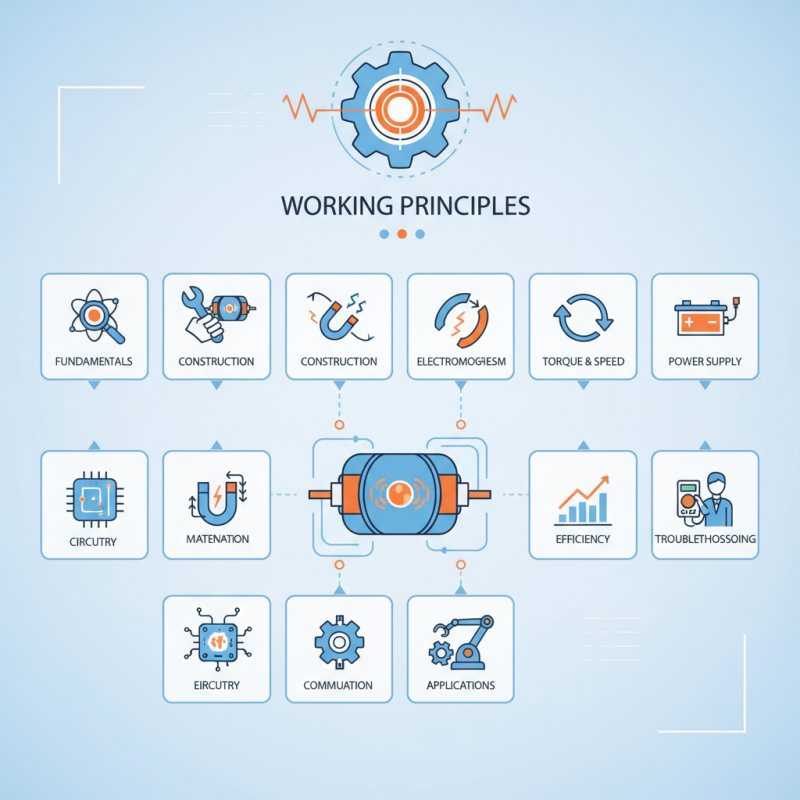
DC motors are widely used in various applications, from toys to electric vehicles. Understanding the basic components and working principles is essential. A DC motor consists of a stator, rotor, commutator, and brushes. The stator generates a magnetic field while the rotor, or armature, rotates within it.

The interaction between the magnetic field and the current flowing through the armature creates motion. As the rotor turns, the commutator switches the direction of current, maintaining the rotation. This design allows for efficient energy conversion. However, the brushes can wear out over time and introduce maintenance challenges.

Power supply is crucial for a DC motor's operation. The voltage and current affect its speed and torque. Misplacing these parameters can lead to performance issues. Users should consider these factors when troubleshooting. Moreover, the simplicity of design can be deceptive; there is much to learn for optimal use and maintenance. Understanding these basics can lead to better performance and longevity in various applications.
Principles of Electromagnetism in DC Motor Operation

10 Essential Tips for Understanding DC Motor Working Principles?

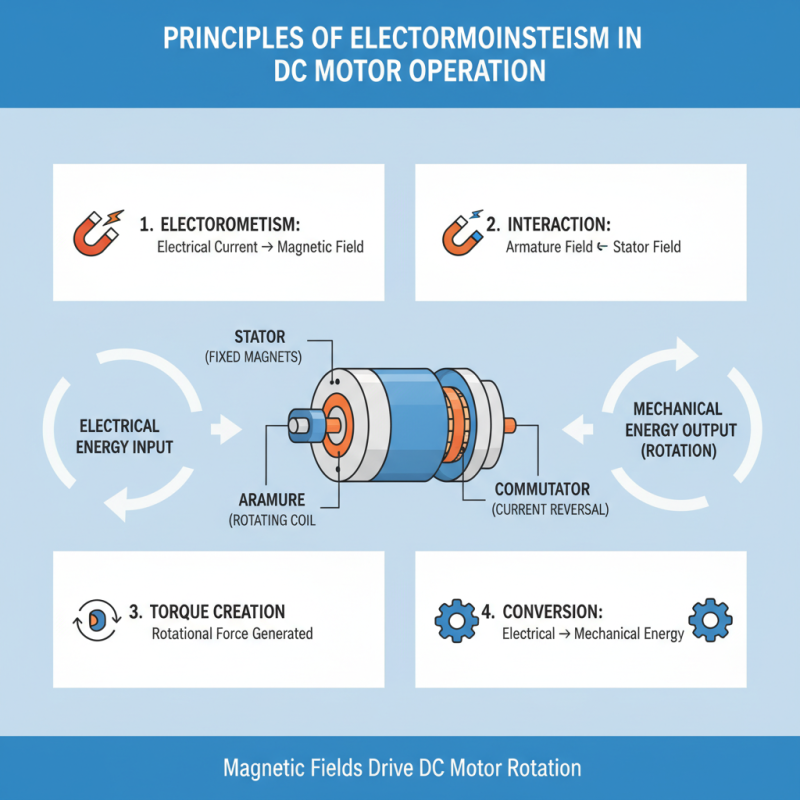
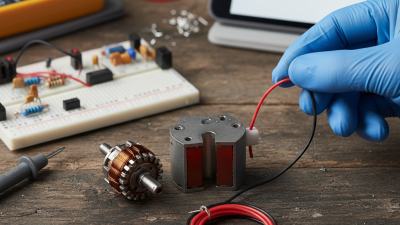
Understanding the principles of electromagnetism is fundamental to grasping how DC motors operate. These motors convert electrical energy into mechanical energy using magnetic fields. The core components include the armature, stator, and commutator. When current flows through the armature winding, it generates a magnetic field that interacts with the fixed magnetic field from the stator. This interaction creates torque, enabling the armature to rotate.

One essential tip for understanding DC motors is focusing on the role of the commutator. The commutator reverses the current direction as the armature turns, maintaining continuous rotation. If the commutation is not smooth, it can lead to torque fluctuations. This means you should consider the quality of the brushes and commutator in your DC motor design. A well-maintained commutator enhances performance and lifespan.

Another important aspect is the magnetic field strength. The performance of a DC motor is heavily influenced by the strength of the magnets. Stronger magnets generate more torque, but they also increase complexity and cost. If magnetic saturation occurs, the motor’s efficiency drops. This is a critical area for reflection; balancing magnet strength and motor design is essential for optimal function. Understanding these principles lays a solid foundation for working with DC motors effectively.

The Role of Current and Voltage in Motor Performance

Understanding the role of current and voltage in DC motor performance is crucial for efficient operation. Direct current motors rely on the interaction between electrical energy and magnetic fields. Voltage drives the electric current through the motor's windings, generating torque. As reported by the Electric Power Research Institute, small changes in voltage can lead to significant variations in a motor's speed and torque output.

Current control is equally vital for performance. A lower current may reduce heating but can also compromise torque output. Conversely, high current can generate excessive heat, leading to potential motor damage. According to the National Electrical Manufacturers Association, maintaining optimal current levels is essential. The ideal operating range ensures balance, sustaining longevity and efficiency.

However, achieving the perfect current-voltage relationship remains a challenge. Environmental factors, such as temperature and load variations, can complicate motor operation. Engineers often need to recalibrate settings. The complexities illustrate that understanding DC motors requires ongoing analysis and adaptation. Optimizing performance is a continuous journey.

Understanding Load and Torque in DC Motor Dynamics

10 Essential Tips for Understanding DC Motor Working Principles?

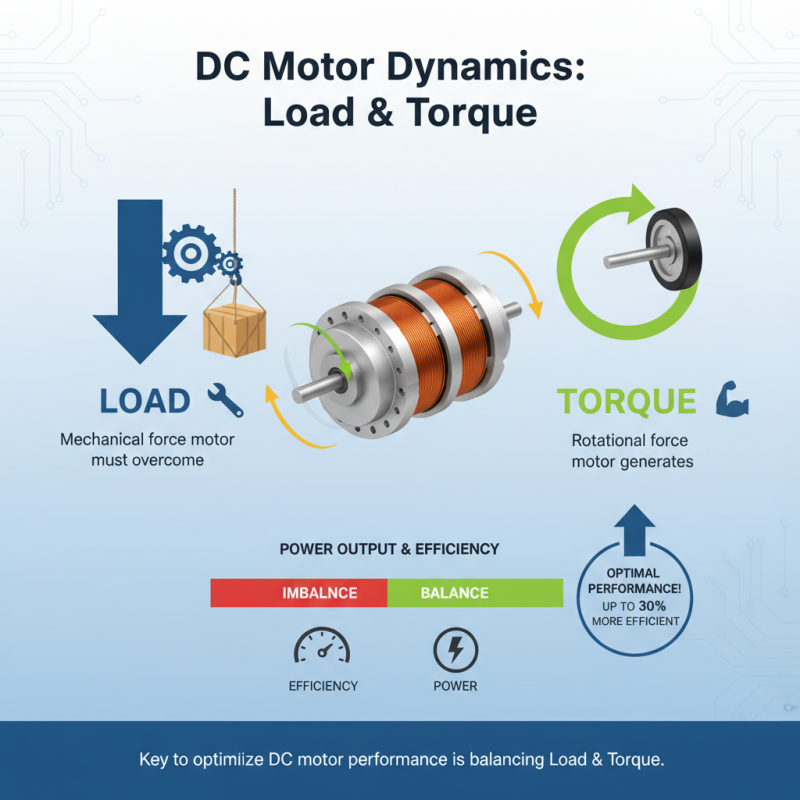
DC motors are widely used across various industries due to their efficiency and simplicity. Understanding load and torque is crucial for optimizing performance. Load refers to the mechanical force the motor must overcome, while torque is the rotational force the motor generates. These two factors directly affect the motor's power output and efficiency. According to industry reports, maintaining the right balance between load and torque can increase efficiency by up to 30%.

When dealing with DC motors, consider these useful tips: always calculate the required torque based on the load. This ensures the motor operates within its limits. Moreover, monitor operating conditions regularly. Overloading a DC motor can lead to overheating and increased wear.

It's essential to recognize that torque varies with the load. For instance, a higher load results in higher torque demand. During this process, be aware of diminished performance if the motor is continuously overloaded. Data suggests that inappropriate load conditions can reduce the lifespan of a motor by 40%. In practice, always assess load characteristics before selecting a DC motor for any application.

Importance of Maintenance and Troubleshooting in DC Motors

Maintenance and troubleshooting are critical aspects of ensuring the longevity and efficiency of DC motors. According to industry reports, regular maintenance can reduce downtime by up to 30%. Neglecting maintenance can lead to performance issues and operational failures. It's vital to establish a routine inspection schedule. This could involve checking brushes, commutators, and bearings. Performing minor repairs promptly can prevent larger issues later on.

Understanding common problems is essential. Insufficient lubrication often leads to overheating, which can damage motor components. If motors are not aligned properly, they may vibrate excessively, leading to wear and tear. Regularly checking for signs of wear can help identify potential failures before they occur.

Here are some tips to keep in mind: always treat motors with care during operation. Overloading them can significantly decrease lifespan. Maintain a clean environment around the motor. Dust and debris can cause overheating. Lastly, ensure that the power supply is stable. Voltage fluctuations can affect performance and cause damage. Regular troubleshooting can foster efficiency and save resources in the long term.

10 Essential Tips for Understanding DC Motor Working Principles - Importance of Maintenance and Troubleshooting in DC Motors

Tip Description Importance
1. Understand Basic Components Familiarize yourself with the main parts of a DC motor, including the stator, rotor, commutator, and brushes. Essential for recognizing issues.
2. Learn Electrical Principles Gain a solid understanding of Ohm’s Law and circuit theory as they apply to DC motors. Fundamental to troubleshooting problems.
3. Observe Motor Ratings Review voltage, current, and power ratings specified for the motor. Prevent overloading and damage.
4. Check Connections Ensure all electrical connections are secure and free from corrosion. Critical for ensuring reliable operation.
5. Monitor Temperature Keep an eye on the operating temperature of the motor. Helps to prevent overheating and damage.
6. Perform Regular Maintenance Establish a regular maintenance schedule for cleaning and lubricating the motor. Increases lifespan and efficiency.
7. Use Proper Lubricants Select suitable lubricants to reduce wear and tear. Essential for smooth operation.
8. Troubleshoot Systematically Use a systematic approach to diagnose issues, starting from the power source. Ensures effective problem resolution.
9. Replace Worn Parts Check and replace parts like brushes and bearings as needed. Prevent performance degradation.
10. Keep Documentation Maintain records of maintenance and any repairs completed. Helpful for future troubleshooting.