What is an Electric Motor For Vehicle and How Does it Work?
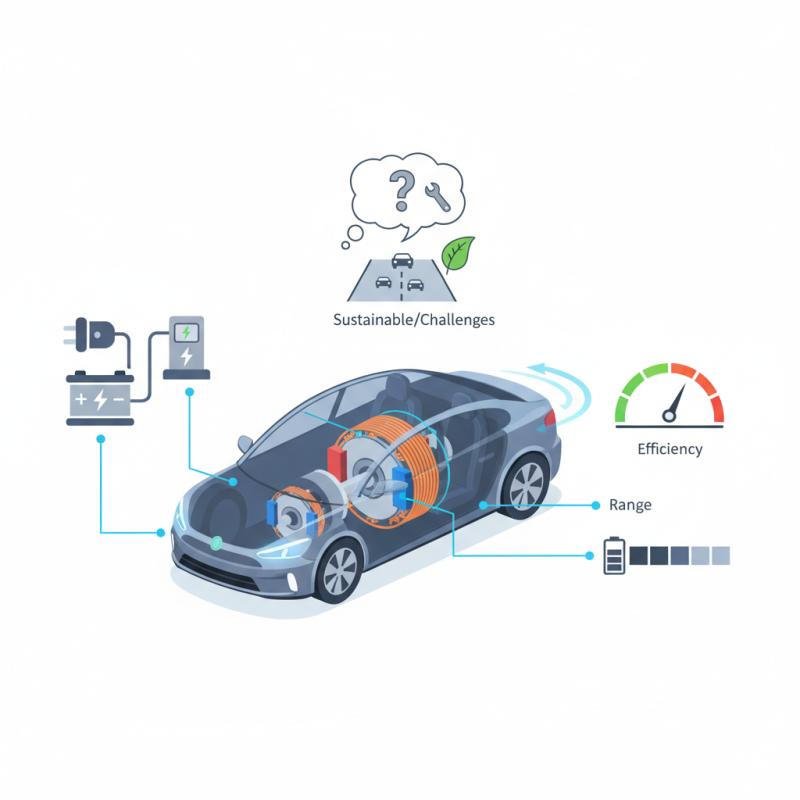
Electric motors are revolutionizing the automotive industry. An electric motor for vehicle applications plays a crucial role in modern transportation. It converts electrical energy into mechanical motion, providing efficient propulsion. This technology powers electric vehicles (EVs), making them a key part of sustainable mobility.
Understanding how an electric motor for vehicle units operates is essential. It involves principles of electromagnetism and energy conversion. The design often relies on permanent magnets and sophisticated controllers. The efficiency of these motors can vary, influencing vehicle performance and range.
Despite advancements, challenges remain. Battery limitations and charging infrastructure affect the widespread adoption of electric vehicles. Consumers may wonder about the reliability and longevity of electric motors. Addressing these issues is vital for building trust in this technology.
What is an Electric Motor and Its Role in Vehicles
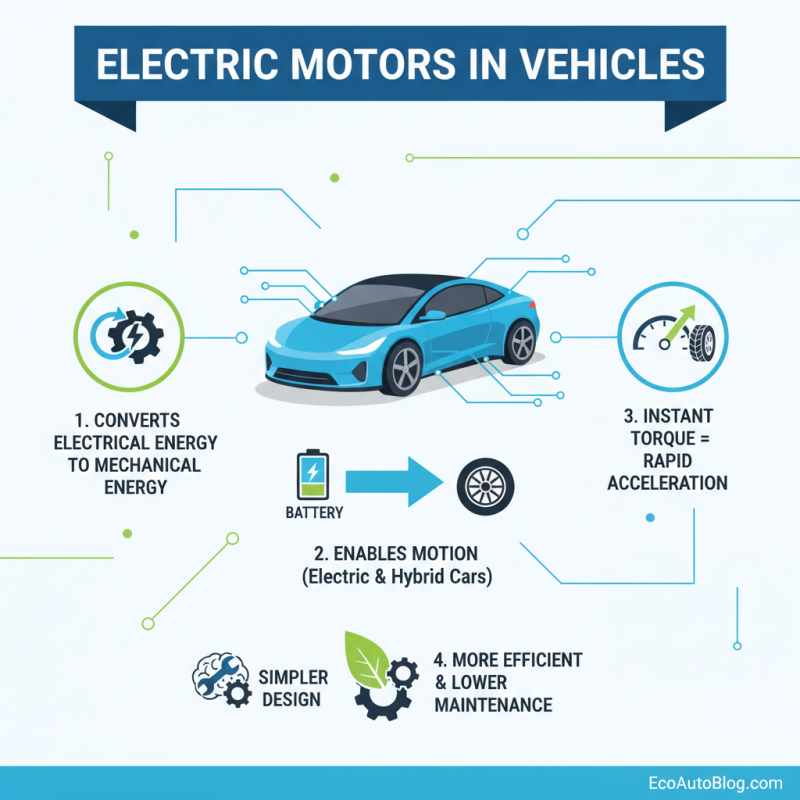
Electric motors play a crucial role in vehicles. They convert electrical energy into mechanical energy, enabling motion. This transformation is key for electric and hybrid cars. Unlike traditional combustion engines, electric motors are more efficient. They produce instant torque, allowing for rapid acceleration. The simplicity of their design contributes to lower maintenance needs.
The operation of an electric motor relies on electromagnetic principles. When electric current passes through coils, it generates magnetic fields. These fields interact with magnets, creating rotational motion. This motion is what drives the wheels. Electric motors can operate in various modes, adjusting to different speeds and power needs. However, not all designs are perfect. Some motors may struggle with heat management.
Efficiency and range remain topics of discussion. Battery technology advancements are critical for improving electric motor performance. Challenges persist in optimizing weight and costs. Engineers continually seek solutions. They aim for motors that balance power and sustainability. Electric motors have transformed the automotive landscape. Their evolving technology embodies innovation in motion.
Types of Electric Motors Used in Vehicles
Electric motors play a crucial role in modern vehicles, offering efficiency and performance. Various types of electric motors are used in vehicles today. The two most common types are AC and DC motors. AC motors, particularly induction motors, are known for their robustness and reliability in electric vehicles. Reports show that over 60% of electric vehicles utilize AC motors due to their efficiency.
DC motors, on the other hand, often provide better torque at lower speeds, making them ideal for specific applications. Brushless DC motors are gaining popularity for their efficiency and low maintenance needs. According to industry analysts, the adoption of brushless motors is expected to grow by 25% by 2025. Each motor type has its pros and cons that should be considered during vehicle design.
Tips: When choosing an electric motor, consider the vehicle's intended use. For urban driving, a motor with high torque may be more beneficial. Efficiency can significantly impact battery life, so choose wisely. Keep in mind that the balance between power and energy consumption is crucial for optimal performance.
What is an Electric Motor For Vehicle and How Does it Work? - Types of Electric Motors Used in Vehicles
| Type of Electric Motor |
Efficiency (%) |
Power Output (kW) |
Torque (Nm) |
Common Applications |
| Brushless DC Motor |
85-95 |
50-200 |
200-350 |
Electric cars, e-bikes |
| Induction Motor |
80-90 |
50-250 |
Electric trucks, buses |
| Switched Reluctance Motor |
70-80 |
10-100 |
Hybrid vehicles, industrial applications |
| Permanent Magnet Motor |
90-95 |
30-150 |
Small electric cars, scooters |
Key Components of Electric Motors in Automotive Applications
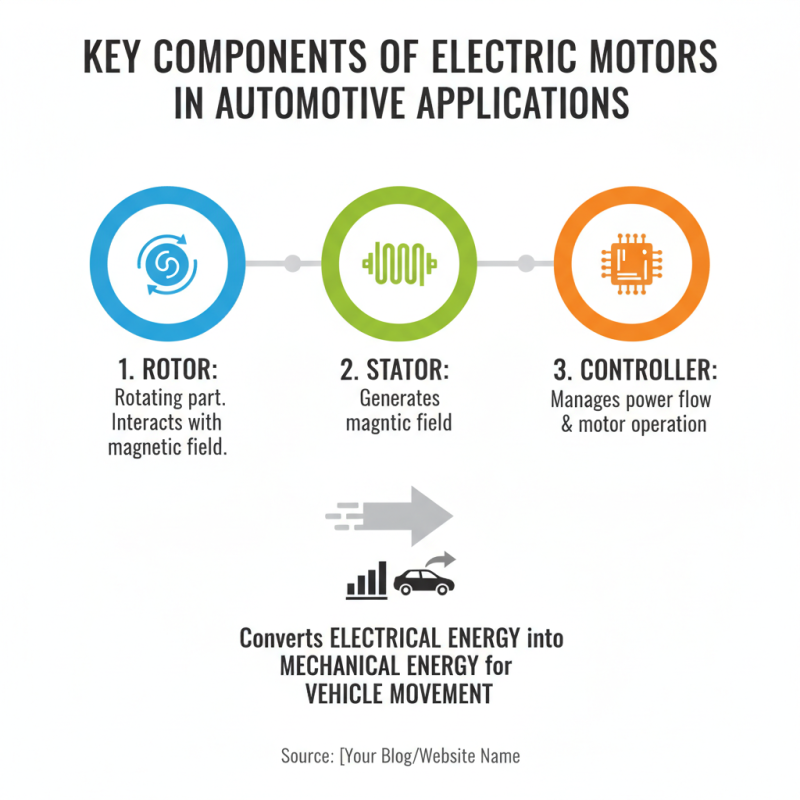
Electric motors play a crucial role in automotive applications. These motors convert electrical energy into mechanical energy. Key components include the rotor, stator, and controller. The rotor is a rotating part. It interacts with the magnetic field generated by the stator. This interaction creates motion, enabling vehicle movement.
Data shows that electric vehicles (EVs) are gaining traction. In 2022, global EV sales reached over 10 million units, a 55% increase from 2021. This surge highlights the importance of efficient electric motors. Controllers regulate the power supply to the motor. They ensure smooth operation and optimal energy consumption.
Tip: Regular maintenance of electric motors can enhance longevity. Check connections and perform software updates.
Another significant component is the battery. It stores energy and supplies it to the motor. Battery efficiency affects overall vehicle performance. The materials used in motor production also impact efficiency. Manufacturers are exploring new materials to improve performance.
Tip: Consider the weight of the components. Lighter motors enhance overall efficiency. Heavy components may reduce range and performance.
Understanding these components can help consumers make informed decisions.
How Electric Motors Generate and Control Motion in Vehicles
Electric motors play a crucial role in modern vehicles. They convert electrical energy into mechanical energy, driving the wheels and enhancing overall efficiency. Understanding how these motors generate and control motion is essential for anyone interested in automotive technology.
Electric motors typically use electromagnetic principles to create motion. When electricity flows through the motor's windings, it creates a magnetic field. This field interacts with permanent magnets or other windings, generating rotational force. The motor's speed and torque depend on the amount of current supplied. Advanced control systems allow for precise adjustments, optimizing performance during acceleration or deceleration.
**Tips:** When choosing an electric vehicle, consider the motor's efficiency rating. More efficient motors can provide a longer range on a single charge. Additionally, remember that environmental factors like temperature can influence performance. Regular maintenance of the motor can increase its lifespan. Keep an eye on battery health, as it directly affects motor efficiency and reliability.
Electric Motor Performance in Vehicles
This chart illustrates the performance metrics of electric motors used in vehicles, including torque, power output, efficiency, and weight. This data can help in understanding how electric motors contribute to the overall performance and efficiency of electric vehicles.
Advantages of Electric Motors Over Traditional Internal Combustion Engines
Electric motors have distinct advantages over traditional internal combustion engines (ICE), especially regarding efficiency and environmental impact. According to the U.S. Department of Energy, electric motors in vehicles can convert over 60% of electrical energy into movement. In contrast, ICEs typically convert only about 20% of the energy stored in gasoline into usable power. This disparity emphasizes the greater efficiency of electric motors, allowing electric vehicles (EVs) to travel further on less energy.
Moreover, electric motors produce zero tailpipe emissions, a significant benefit as global concerns over air quality rise. The International Energy Agency reported that transportation accounts for nearly 24% of global CO2 emissions. Transitioning to electric motors in vehicles could drastically reduce the carbon footprint of this sector. However, challenges remain, particularly in battery production and disposal, which can have environmental impacts. Additionally, the current infrastructure for EV charging can be limited, hindering widespread adoption.
While the advantages are clear, it's important to note that electric motors are not without their drawbacks. The dependence on electricity generation methods still leads to emissions if sourced from fossil fuels. Further developments in renewable energy sources are essential to fully realize the potential of electric motors. The journey toward a sustainable future requires ongoing innovation and a reflection on how we source and utilize power in transportation.