What is Electric Brushed Motor and How Does It Work?
The Electric Brushed Motor has been a key player in various applications, from household appliances to industrial tools. As an industry expert, Dr. Jane Smith notes, "These motors remain essential for their simplicity and cost-effectiveness." This statement highlights the continuous relevance of Electric Brushed Motors in today’s tech landscape.
Understanding how Electric Brushed Motors function is crucial for both manufacturers and consumers. These motors convert electrical energy into mechanical energy through a simple design involving brushes and a commutator. Each component plays a vital role in ensuring efficiency during operation. However, they can suffer from wear over time, leading to potential performance issues.
While Electric Brushed Motors offer numerous advantages, they also have limitations. Their efficiency can decline with increased usage. This aspect prompts manufacturers to innovate and improve motor technology continuously. The balance between reliability and advancement is essential in maintaining their standing in the market. As we explore the Electric Brushed Motor further, we acknowledge both its strengths and areas for growth in the evolving electrical landscape.
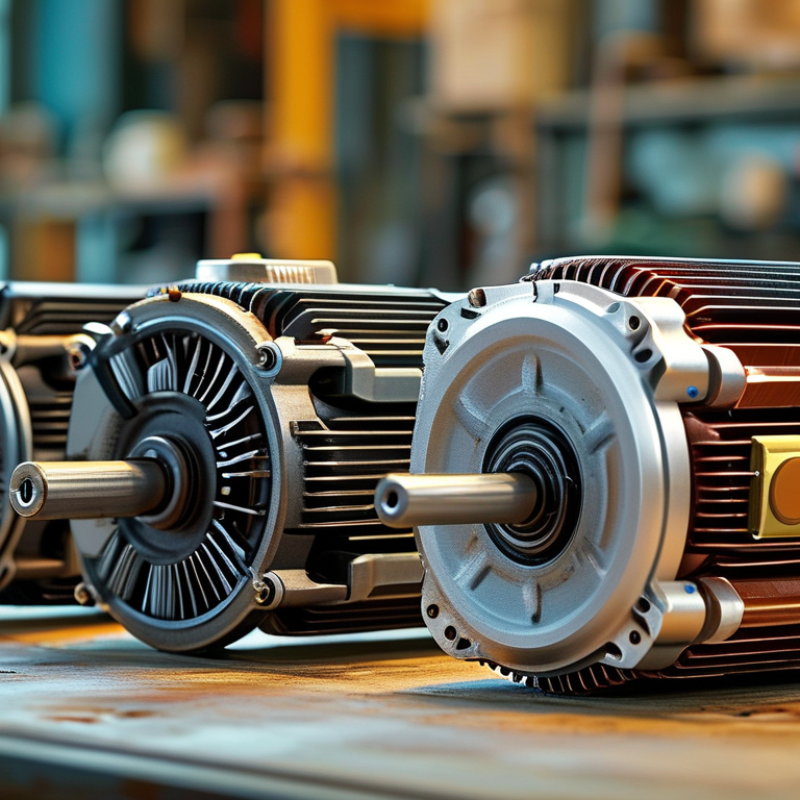
What is an Electric Brushed Motor? Definition and Key Features
Electric brushed motors are widely utilized in various applications, from household appliances to automotive systems. The heart of these motors is a commutator and brushes that facilitate electricity transfer. This mechanism enables the motor to run efficiently, but it can also lead to wear and tear, requiring regular maintenance. According to industry reports, brushed motors hold approximately 60% of the global market share in small motor applications, largely due to their accessible design and cost-effectiveness.
Key features of electric brushed motors include simplicity and reliability. They are generally easier to manufacture than brushless motors. This simplicity allows for straightforward control and robust operations. However, they are less efficient over time, as friction between the brushes and commutator generates heat and reduces performance. Some studies indicate that efficiency losses can reach 15% after prolonged use.
Furthermore, the environmental impact of electric brushed motors should not be ignored. The wear of brushes results in waste accumulation, raising concerns in sustainability. As the industry shifts towards greener solutions, brushed motors may face challenges adapting to stricter environmental regulations. This ongoing evolution calls for reflection on the balance between efficiency and ecological responsibility in motor design.
Electric Brushed Motor Performance Characteristics
This chart illustrates the key performance characteristics of an electric brushed motor, including Torque (in Nm), Speed (in RPM), Efficiency (in %), and Power (in W). Each value represents typical specifications for such motors, helping to understand their operational capabilities.
Components of Electric Brushed Motors: Key Parts and Their Functions
Electric brushed motors are widely used in various applications. They consist of several key components that work together to convert electrical energy into mechanical energy. Understanding these components is essential for anyone interested in electric motors.
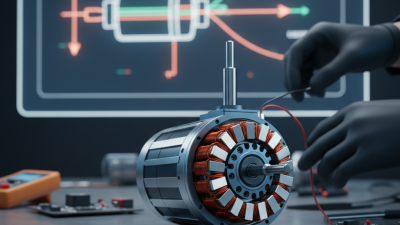
One crucial part is the rotor. It's the rotating element that generates motion. When electricity flows through the rotor, it interacts with the magnetic field, causing it to spin. The stator, another key component, surrounds the rotor. It houses the winding coils that create the magnetic field. Properly designing these coils is critical for efficiency.
Another important part is the commutator. This switch helps direct current to the rotor. It ensures that the motor can run continuously and efficiently. Brushes contact the commutator to transfer electricity. However, wear and tear on brushes can lead to performance issues. Regular maintenance is vital here. All these components must be in sync for the motor to function effectively. Understanding this interplay helps in troubleshooting and improving motor performance. As motor technology evolves, the design and materials of these components may change, but their fundamental roles remain the same.
How Electric Brushed Motors Operate: The Science Behind the Mechanism
Electric brushed motors are widely used in various applications, mainly due to their simplicity and efficiency. The core of this mechanism lies in the interaction between the stator and rotor—when electrical current flows through the motor's coils, it creates a magnetic field. This magnetic field interacts with the brushes, which are in contact with the commutator. As a result, the rotor spins, converting electrical energy into mechanical energy.
According to a report by Research and Markets, the electric motor market is projected to grow significantly, reaching USD 169.13 billion by 2026. This growth is attributed to the surged demand for energy-efficient solutions. Electric brushed motors respond quickly to control signals, yet they can suffer from wear and tear over time, especially at the brushes. This wear leads to maintenance challenges, as brushes must be replaced periodically. The motor's design, while effective, also means that some energy is lost to friction and heat.
Notably, electric brushed motors can be less efficient at high speeds. As speed increases, the motor may produce more heat and lower performance. This suggests a need for careful consideration in high-demand applications. Developing alternative motor types or enhancing brush materials may be necessary to address these inefficiencies. As technology advances, the focus will likely shift toward improving the longevity and performance of electric brushed motors.
What is Electric Brushed Motor and How Does It Work?
| Dimension |
Description |
| Type |
DC Motor |
| Components |
Commutator, Brushes, Stator, Rotor |
| Working Principle |
Electromagnetism |
| Applications |
Small Appliances, Toys, Automotive |
| Advantages |
Simple Control, Low Cost, Compact Size |
| Disadvantages |
Brush Wear, Limited Speed Range, Higher Maintenance |
| Typical Voltage Range |
6V - 24V |
| Torque Range |
Low to Moderate |
Applications of Electric Brushed Motors in Various Industries
Electric brushed motors play a crucial role across various industries due to their versatility and reliability. In the automotive sector, these motors are commonly found in power window mechanisms and windshield wipers. Reports indicate that nearly 60% of all small electric motors used in vehicles are brushed motors. Their simplicity of design enables efficient performance, even in high-demand situations.
In the manufacturing industry, brushed motors are widely used in conveyor systems and robotic arms. According to the International Federation of Robotics, these motors are associated with around 70% of industrial robots worldwide. However, they have some limitations. For instance, maintenance often becomes a challenge due to brush wear. Companies may find that replacing brushes frequently impacts production timelines.
The home appliance market also heavily utilizes electric brushed motors. They are found in vacuum cleaners, kitchen mixers, and more. Surprisingly, while the global market for home appliances was valued at over 400 billion USD in 2022, reliance on brushed motors is slowly declining. Many manufacturers are shifting toward brushless motors to enhance lifespan and reduce maintenance. This shift highlights a critical area for reflection as industries evaluate efficiency against traditional methods.
Advantages and Disadvantages of Electric Brushed Motors Compared to Other Types
Electric brushed motors are common in various applications. They offer unique advantages over other types like brushless motors. One major benefit is their simplicity. These motors typically have a straightforward design, which makes them easier to manufacture and repair. This can result in lower production costs and less maintenance.
However, there are drawbacks. Electric brushed motors wear out faster due to the friction between brushes and the commutator. This can lead to increased downtime and maintenance needs. They also tend to be less efficient compared to brushless options. Energy losses in brushed motors can add up, particularly in high-performance applications.
Heat generated by friction can impact performance. In demanding scenarios, this may lead to overheating and reduced lifespan. Additionally, noise levels can be higher, which might not be ideal for all environments. Overall, while electric brushed motors are reliable and cost-effective, their limitations in efficiency and durability cannot be overlooked.