2026 How to Choose the Right Torque Motor for Your Needs?
Selecting the right Torque Motor is crucial for your project's success. With the global torque motor market projected to reach $3 billion by 2026, understanding your needs can impact performance and efficiency. Torque motors play a vital role in various applications, such as robotics, automation, and electric vehicles.
Efficiency is key. The best torque motor for your application minimizes energy consumption while maximizing output. Current industry reports highlight that improper motor selection can lead to a 20% increase in operational costs. This statistic emphasizes the importance of making informed choices.
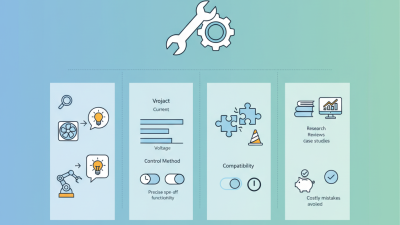
Compatibility matters. Each torque motor has unique specifications. Failing to match these to your system can result in inefficiencies or malfunctions. As you assess options, consider factors like load requirements and environmental conditions. Your choice should reflect both performance needs and budget constraints, ensuring long-term value.

Understanding Torque Motors: Definition and Key Features
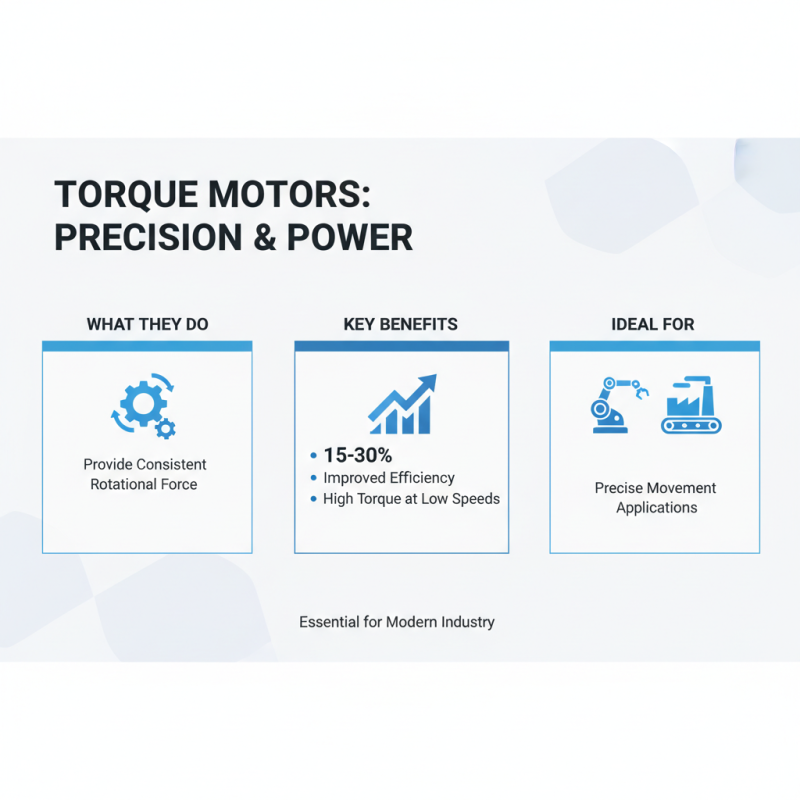
Understanding torque motors is essential for any industry relying on precise movement. A torque motor provides a consistent rotational force. This force is crucial in applications such as robotics and automation. Research shows that torque motors can improve efficiency by 15% to 30%. Their ability to provide high torque at low speeds makes them suitable for many applications.
When considering a torque motor, pay attention to specifications. The rated torque, speed, and size directly affect performance. A motor that is too small for the task can lead to overheating. Larger motors may consume unnecessary energy. These factors impact both cost and performance.
Tips: Always consult your technical team. They understand the application requirements best. Additionally, evaluating your load profiles can prevent operational inefficiencies. Sometimes, opting for a simpler motor design can reduce both costs and complexities. These choices often lead to better overall system performance. The selection process can be challenging, and trial and error may be necessary.
Types of Torque Motors: Comparing AC and DC Options
When selecting a torque motor, understanding the differences between AC and DC options is crucial. AC motors generally offer higher efficiency. They can run for longer periods without overheating. These motors often require less maintenance. Their speed control can be more complex, though, and interestingly, they are not as widely variable in terms of speed.
On the other hand, DC motors excel in providing precise control. They respond quickly to changes in speed and torque. This makes them ideal for applications needing fine-tuning. However, they often have brushes that wear out over time, leading to maintenance issues. The simplicity of their design is appealing, yet it can be a double-edged sword.
In summary, your choice should hinge on your specific needs. Budget constraints and application type matter greatly. If you're unsure, it might be wise to consult an expert. This choice may reflect both your strength and your moments of uncertainty. Balancing durability with performance requires careful thought.
Evaluating Application Requirements for Torque Motors
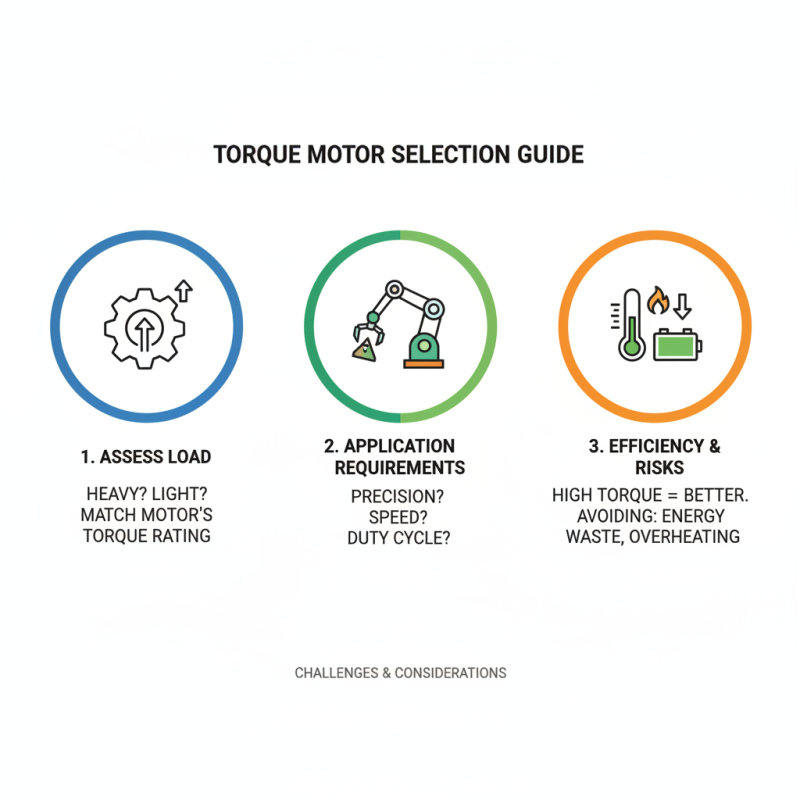
When choosing a torque motor, understanding your application's specific needs is crucial. Torque motors come in various types and sizes. They differ in power output, speed, and design. Identifying the right specifications ensures optimal performance. For instance, consider load requirements. Heavy loads may require high torque. Lighter tasks might only need moderate torque. Analyze how these variables affect your application.
Another critical factor is the operational environment. Will the motor be exposed to dust, moisture, or temperature extremes? Environmental conditions can impact motor efficiency and lifespan. A torque motor designed for rugged settings may be necessary. It's also essential to evaluate duty cycles. Continuous operation demands different cooling methods compared to intermittent use. Ensure you're considering these details thoroughly.
In the end, performance and reliability are key. Selecting the right torque motor is not just about numbers. It requires careful evaluation and sometimes, trial and error. Mistakes can happen. Maybe the motor doesn't handle load as expected. Or perhaps it operates too loudly in a quiet setting. These are factors that need reflection. Assessing all aspects will lead to a more effective choice.
2026 How to Choose the Right Torque Motor for Your Needs?
| Application Type |
Required Torque (Nm) |
Speed Range (RPM) |
Power Supply (V) |
Feedback Type |
| Conveyor Systems |
5 |
0-100 |
24 |
Incremental Encoder |
| Robotics |
10 |
0-200 |
48 |
Absolute Encoder |
| Packaging Machines |
7 |
10-150 |
220 |
No Feedback |
| Textile Machinery |
12 |
0-80 |
380 |
Incremental Encoder |
| Elevators |
15 |
5-100 |
220 |
Absolute Encoder |
Maintenance and Longevity: Ensuring Optimal Performance
Maintaining a torque motor is crucial for optimal performance. Regular checks can extend its lifespan significantly. Look for signs of wear and tear. Inspect connections and housings for any damage. Dust and debris can affect performance. Keeping a clean environment is essential.
Here are some quick tips for effective maintenance. Schedule routine inspections every few months. Lubricate moving parts as needed. Pay attention to unusual sounds or vibrations; they could signal problems. If you notice irregular behavior, don't ignore it.
Longevity requires attention to detail. Monitor operating temperatures; overheating can lead to failures. Make sure the motor is not overworked. Misuse can cause premature wear. Regular updates to your maintenance plan can help you stay ahead of issues. Always be ready to adapt your approach for improved performance.
Torque Motor Selection and Performance Statistics
This chart illustrates the performance metrics of different torque motors based on their maintenance requirements and longevity. Understanding these metrics will help you choose the right torque motor for your needs. The data shows average performance ratings over a standard usage period.