2026 How to Choose the Best Electric Brushed Motor for Your Projects?
Choosing the right Electric Brushed Motor for your projects can be a daunting task. With countless options available, it’s easy to feel overwhelmed. Each motor varies in size, power, and efficiency. These differences are essential for project success.
An Electric Brushed Motor works by using electrical energy to generate motion. Their design is straightforward, making them accessible for many applications. However, selecting the best one requires careful consideration. Factors like torque, RPM, and voltage are crucial. It is vital to understand how these elements impact your work.
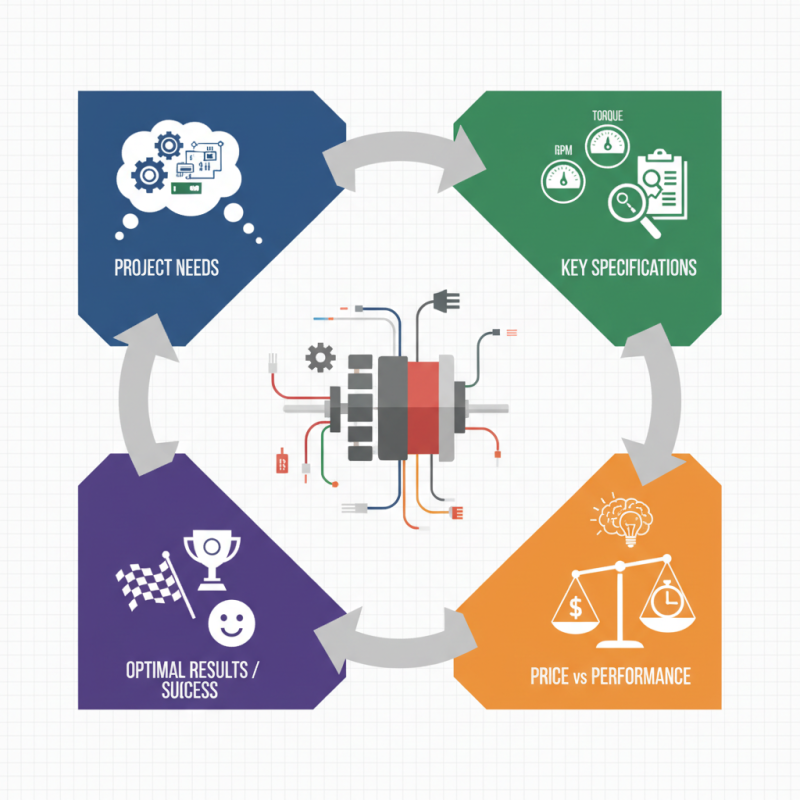
Making the right choice is not always easy. Sometimes, we might prioritize price over performance. This could lead to issues down the road. Reflection on your project's specific needs is necessary. Take time to evaluate different models and their specifications for optimal results.
Understanding Electric Brushed Motors: An Overview
Electric brushed motors are widely used in various projects due to their simplicity and efficiency. They operate using a basic design that includes brushes, a commutator, and a rotor. This design allows for better control of the speed and torque, making them suitable for many applications. However, understanding their characteristics is key to choosing the right motor for your needs.
When selecting an electric brushed motor, consider its voltage and current ratings. These specifications greatly influence performance. A motor running at too high a voltage can damage internal components. Conversely, too low a voltage may prevent the motor from functioning properly. Keep in mind that overheating is a common issue if the motor is under too much load.
Tips: Always check the motor’s load capacity. Test the motor under different conditions to observe its performance. It's also wise to read customer feedback, though not all reviews might align with your experience. Reflect on what mattered in those reviews to ensure you’re making an informed decision.
2026 How to Choose the Best Electric Brushed Motor for Your Projects? - Understanding Electric Brushed Motors: An Overview
| Motor Type |
Rated Voltage (V) |
Rated Current (A) |
Power Output (W) |
RPM |
Torque (mNm) |
Efficiency (%) |
| Standard Brushed Motor |
12 |
2.0 |
24 |
6000 |
150 |
75 |
| High Torque Brushed Motor |
24 |
3.5 |
84 |
3000 |
300 |
80 |
| Mini Brushed Motor |
6 |
1.2 |
7.2 |
10000 |
30 |
70 |
| Heavy Duty Brushed Motor |
48 |
8.0 |
384 |
1500 |
600 |
85 |
Key Specifications to Consider When Choosing a Motor
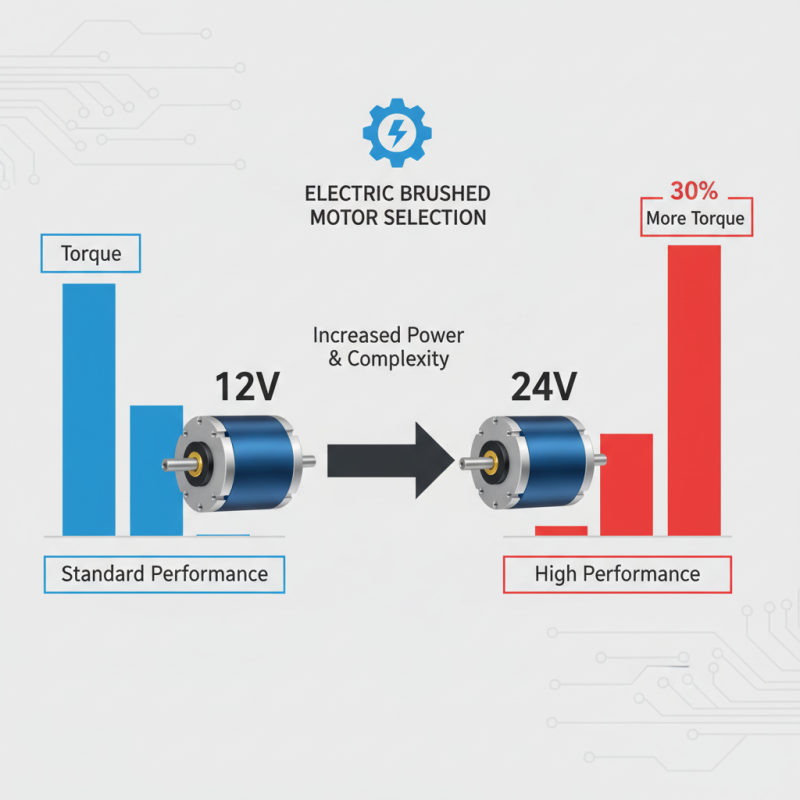
When choosing an electric brushed motor for your projects, several key specifications must be considered. Motor voltage is critical. Motors typically run on 12V, 24V, or even higher voltages. Higher voltage often results in more power, but it can also lead to increased complexity. For instance, a study shows that motors operating at 24V can deliver 30% more torque than their 12V counterparts. This is essential for applications requiring high performance.
Another important factor is the motor's RPM (revolutions per minute). Higher RPM means faster operation, but it's not always better. A motor running at 20,000 RPM might not be suitable for torque-heavy jobs. According to industry data, frequently used motors in robotics range around 3,000 to 6,000 RPM. Yet, many projects may need a balance between speed and torque. Assess your specific project needs carefully.
A third specification involves the motor’s size and weight. Small, lightweight motors can be advantageous for portable devices, but they may sacrifice power. Industry reports highlight that miniaturization can result in up to 25% reduction in power output. Choosing the right dimensions without compromising strength is a common reflection point. Consider the space available and the weight limits of your project to avoid potential setbacks.
Evaluating Motor Performance: Torque, RPM, and Efficiency
When evaluating electric brushed motors, torque, RPM, and efficiency are crucial factors. Torque measures the motor's ability to perform work. High torque is essential for heavy loads. However, some motors may promise high torque but fall short in real-world applications. It’s advisable to consider the load requirements of your specific project.
RPM, or revolutions per minute, indicates the speed of the motor. A higher RPM usually means faster movement. Yet, a motor with high RPM may lack torque. This trade-off should not be overlooked when choosing a motor. Balancing speed and power is vital for optimal performance.
Efficiency is another key aspect. An efficient motor converts more electrical energy into mechanical energy. This means less energy waste and better overall performance. Testing efficiency in various conditions is important. Sometimes, a seemingly efficient motor may underperform under load. Knowing these factors can lead to better decisions in your projects.
Matching Motor Size and Power to Your Project Needs
Choosing the right electric brushed motor can be tricky. One key factor is the size of the motor. A motor that is too small may struggle to meet your project's demands. Consider the weight and load that the motor will need to handle. A miscalculation here might lead to overheating or motor failure.
Power is another crucial element. Understand the voltage and torque requirements of your project. High torque is essential for heavy lifting tasks. However, more power can also mean more heat generation. This could impact your overall design and efficiency. It’s worth testing different motors to see how they perform under load.
In some cases, you might find a motor that seems perfect, but it may not fit your space. Check the dimensions carefully. Ensure that the motor can fit within your design constraints. Sizing is often overlooked but can lead to significant issues down the line. Finding the right balance between size and power is essential for a successful project. Be prepared to re-evaluate your choices along the way.
Common Applications for Electric Brushed Motors in Projects
Electric brushed motors are widely used across various projects. One common application is in robotics. The simplicity of control makes them ideal for small robotic systems. These motors provide reliable torque and speed. They help in driving wheels or actuating joints. This is crucial for creating responsive and agile robots. However, balancing performance and battery life can be challenging.
Another typical use is in model aircraft. Electric brushed motors power small planes and drones. They are favored for their lightweight design. Many hobbyists appreciate the ease of installation. Yet, some motors may overheat under continuous use. It's important to monitor their temperature during operation. This can prevent damage and ensure optimal performance, but it requires constant attention.
Lastly, electric brushed motors feature in household appliances. They drive devices like vacuum cleaners and electric tools. Their robust construction contributes to a longer lifespan. However, they can generate noise, which may be bothersome. This aspect often needs tweaking to achieve a better user experience. Understanding these applications helps in making informed choices when selecting motors for your specific needs.
Common Applications for Electric Brushed Motors in Projects