What Are the Benefits of Using Torque Motors in Modern Applications?
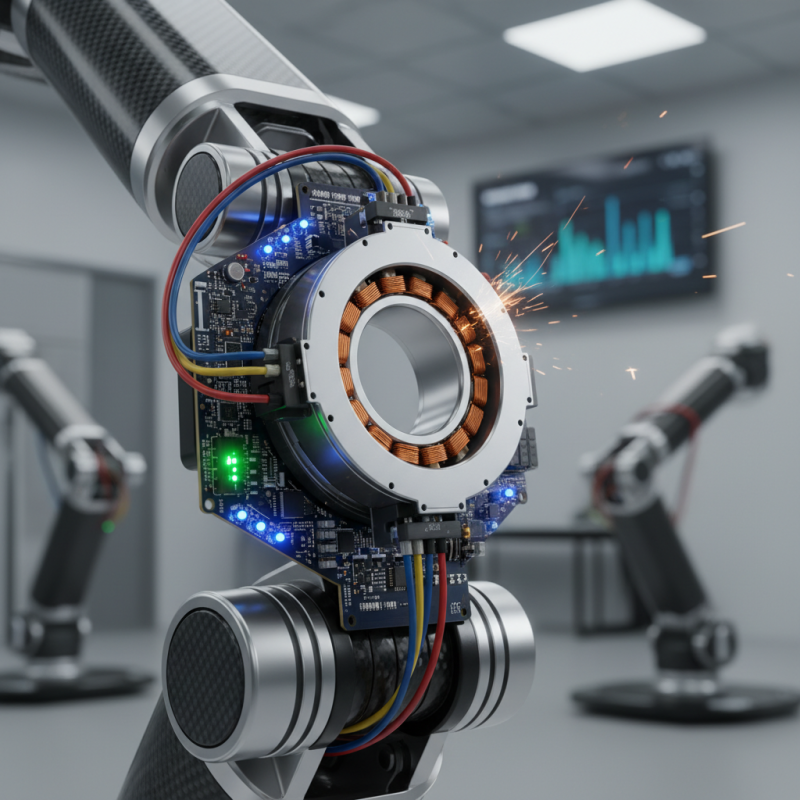
The integration of torque motors in modern applications symbolizes a significant shift in technology. Torque motors are designed to deliver high performance in compact formats. Their efficiency is paramount in industries ranging from robotics to automotive engineering.
These motors provide instant torque, which enhances responsiveness and precision. This can lead to improved productivity in manufacturing processes. However, they aren't without challenges. There can be issues with overheating and complexity in control systems. Thoughtful design and careful implementation become essential for success.
Additionally, torque motors may require more frequent maintenance than traditional alternatives. Users must be aware of this to avoid performance dips. Despite these concerns, the benefits often outweigh potential drawbacks. Torque motors promote innovation and open up new possibilities across various sectors.
Understanding Torque Motors: Definition and Functionality
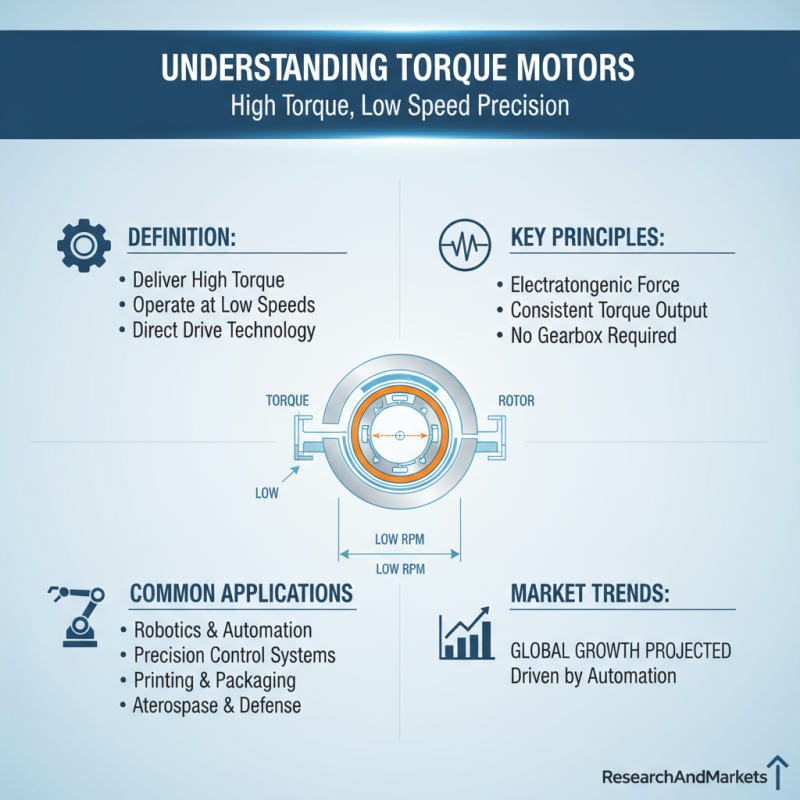
Torque motors are unique devices designed to deliver high torque at low speeds. They differ from conventional motors by using electromagnetic principles that allow them to maintain torque levels across a range of speeds. This makes them ideal for applications requiring precision and reliability. According to a recent report by ResearchAndMarkets, the global torque motor market is projected to grow significantly, fueled by advancements in automation.
In robotics and industrial applications, torque motors excel. They offer smooth operation and improved energy efficiency. For instance, they can provide up to 85% efficiency in certain settings. This efficiency leads to reduced energy costs over time. However, sectors using these motors must evaluate their design and integration carefully. A mismatch in specifications can lead to performance issues, making proper selection crucial.
These motors are increasingly utilized in CNC machines, conveyor systems, and automated guided vehicles. A study by MarketWatch highlighted that the demand for torque motors in manufacturing is rising by 8% annually. The continuous need for high precision and low maintenance drives this growth. However, while torque motors present many advantages, their initial costs can deter some businesses. Balancing cost and performance remains a challenge for many engineers.
Advantages of Torque Motors in Industrial Applications
Torque motors are gaining attention in industrial applications due to their efficiency and precision. These motors are known for their high torque output at low speeds, making them ideal for automation processes. According to a recent report by Research and Markets, the torque motor market is expected to grow significantly over the next few years, driven by increasing demand in sectors like robotics and manufacturing.
One notable advantage is their compact design. This allows for reduced space requirements in machinery setups. Many industries face space constraints, and torque motors can help alleviate this issue. Additionally, they provide direct drive capabilities, which decreases maintenance needs. A study by MarketsandMarkets indicated that applications using direct drive technologies can save up to 30% in energy costs.
However, there are challenges. Torque motors can be more expensive upfront, which may deter some businesses. The complexity in installation could lead to additional costs. Industry data shows that training is essential for effective use, revealing a knowledge gap in some facilities. Despite these hurdles, the benefits of torque motors in terms of efficiency and space-saving capabilities make them a compelling choice in modern industrial applications.
What Are the Benefits of Using Torque Motors in Modern Applications? - Advantages of Torque Motors in Industrial Applications
| Benefit |
Description |
Application Area |
Energy Efficiency |
| High Torque at Low Speeds |
Provides excellent performance in applications requiring high torque without needing high speed. |
Conveyor Systems |
Yes |
| Compact Design |
Torque motors typically have a smaller footprint, allowing for efficient use of space in machinery. |
Robot Arms |
Yes |
| Direct Drive Technology |
Eliminates the need for gears and belts, reducing mechanical losses and improving reliability. |
CNC Machines |
Yes |
| Precision Control |
Allows for precise control over speed and position, essential for advanced automation systems. |
3D Printers |
Yes |
| Low Maintenance |
Fewer parts and no mechanical wear from gears or belts lead to lower maintenance requirements. |
Industrial Automation |
Yes |
Applications of Torque Motors in Automation and Robotics
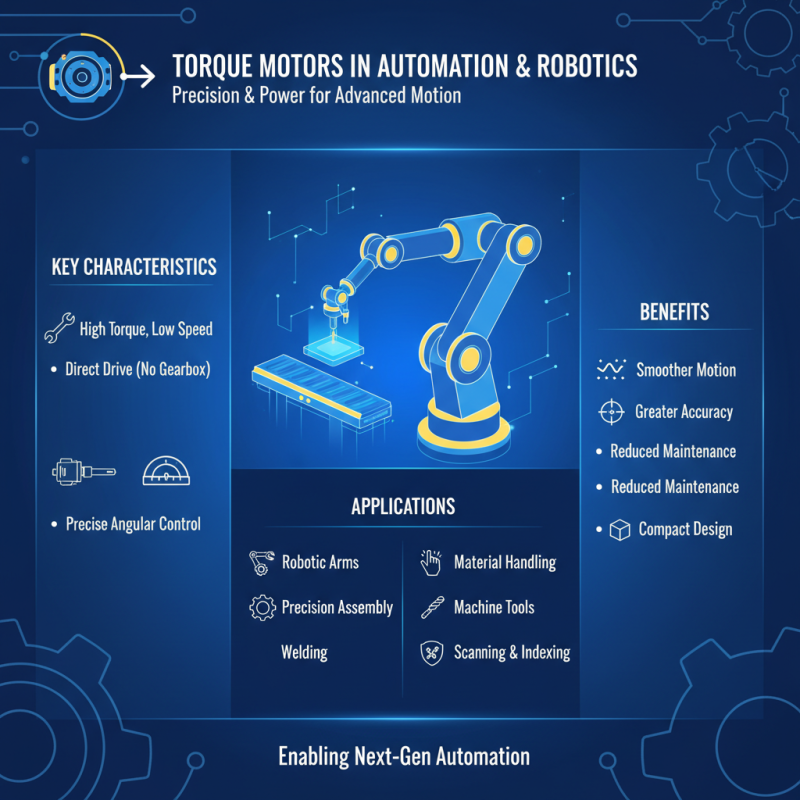
Torque motors are increasingly common in automation and robotics. These motors deliver high torque at low speeds, which is ideal for precise movements. In robotic arms, for example, torque motors allow for smoother and more accurate positioning. This capability is essential in tasks such as assembly, welding, or delicate handling of materials.
In automation systems, torque motors contribute significantly to efficiency. They can start and stop quickly, which minimizes downtime. Moreover, their design often allows for compact installations, saving valuable space in factory settings. However, the integration of such motors can be challenging. It requires careful consideration of power requirements and control systems. Not every application will benefit automatically from torque motors, so thorough planning is needed.
Certain limitations are worth noting. Torque motors can generate heat during operation, which may require additional cooling solutions. Their performance might vary based on load conditions and environment. Ensuring optimal operation often involves continuous monitoring and adjustments. Automating this process may become complex and require skilled personnel. Yet, the potential rewards in accuracy and efficiency can make the effort worthwhile.
Performance Benefits of Torque Motors in Electric Vehicles
Torque motors have become essential in electric vehicles (EVs), providing impressive performance benefits. They offer direct drive capabilities, ensuring that power reaches the wheels instantly. This leads to rapid acceleration, as torque motors can generate high torque at low speeds. Reports indicate that electric vehicles equipped with torque motors can achieve 0-60 mph in under 3 seconds. This feature is particularly attractive for performance-focused models.
Moreover, torque motors contribute to energy efficiency. According to recent studies, torque motors can boost overall efficiency by approximately 10-15%. This is achieved through reduced mechanical losses compared to traditional motors. The compact design of torque motors also allows manufacturers to save weight and space, enhancing vehicle range and overall performance. However, challenges remain. The cooling requirements of torque motors can complicate vehicle designs. Ensuring optimal performance in varying conditions is a topic of ongoing research.
Despite these advances, some limitations persist. The cost of torque motors can be higher than conventional options, impacting production budgets. Manufacturers must balance performance improvements with cost considerations. The long-term durability of these motors in severe conditions is another area requiring further investigation. As the industry evolves, it is crucial to address these concerns while maximizing the potential of torque motors in electric vehicles.
Future Trends and Innovations in Torque Motor Technology
Torque motors are revolutionizing various modern applications, enabling impressive advancements in technology. These motors provide high torque at low speeds. This trait is crucial for applications like robotics and conveyor systems. As the demand for precision grows, torque motors can meet these expectations effectively. Manufacturers are focusing on innovations that enhance performance and reliability.
Future trends in torque motor technology include improvements in energy efficiency and compact design. Enhanced materials might increase durability and reduce weight. Smart technology integration is also on the horizon. Imagine torque motors equipped with IoT capabilities. They could provide real-time data for maintenance needs, enhancing reliability. This could transform industries, although challenges remain in implementation.
Moreover, the transition to greener technologies is necessary. Torque motors need to address environmental concerns. There is an ongoing quest for sustainable materials. Balancing performance and eco-friendliness is a dilemma facing engineers. Embracing innovation while considering these factors is essential for future growth. Designers must reflect on these challenges as they push forward in technology development.