2026 Top Motor Dc Brushed Models for Enhanced Performance and Efficiency?
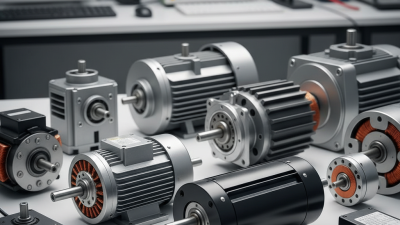
The world of electric motors is rapidly evolving. In particular, Motor DC Brushed models have proven vital for enhancing performance and efficiency across various applications. These motors are characterized by their simplicity and reliability. They utilize brushes to create a current that powers the motor, making them popular in many industries.
However, despite their advantages, there are drawbacks to consider. The friction from brushes can lead to wear over time, impacting longevity. Additionally, DC brushed motors tend to be less efficient than their brushless counterparts. This presents a challenge for developers seeking optimal performance.
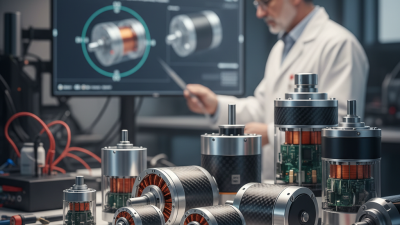
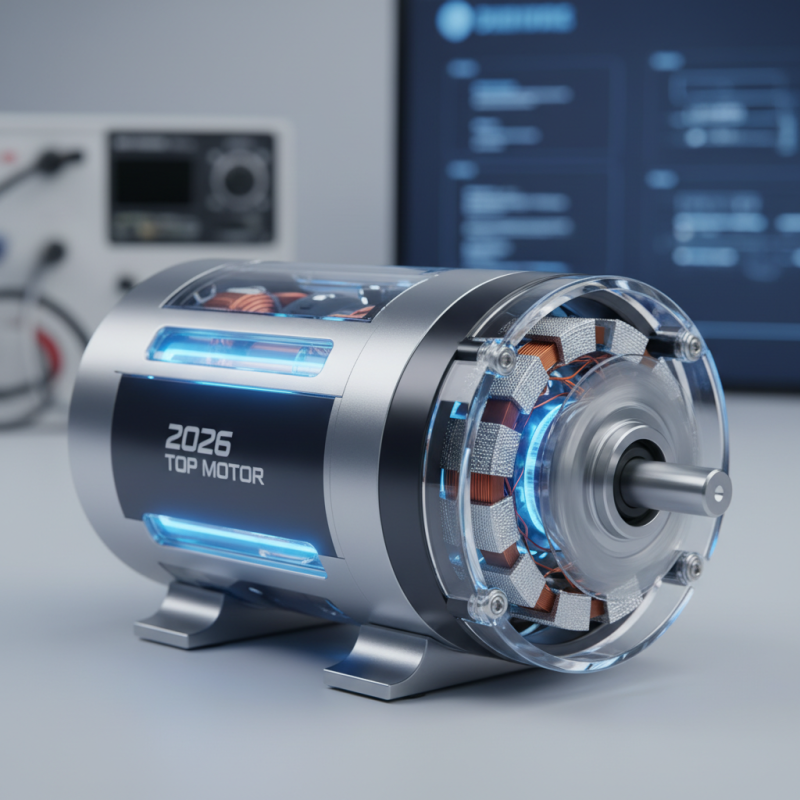
In 2026, advancements in technology aim to address these issues. Manufacturers are focusing on improving the efficiency of Motor DC Brushed models. Innovations may include enhanced materials and more effective designs. As these models are redeveloped, the industry must also reflect on the trade-offs involved. Balancing performance with durability remains essential for all applications.
Overview of DC Brushed Motors and Their Applications
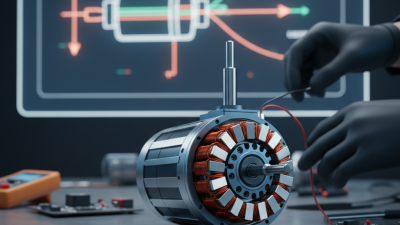
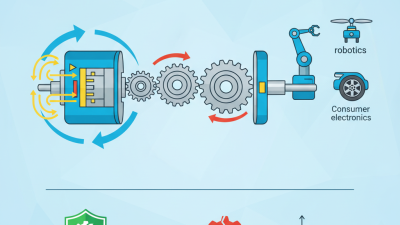
DC brushed motors are widely used in various applications due to their simplicity and cost-effectiveness. These motors operate on the principle of electromagnetic interaction. When electricity flows through the windings, it creates a magnetic field that rotates the armature. Such motors are commonly found in power tools, robotics, and appliances.
One significant advantage of DC brushed motors is their ease of control. They can be started, stopped, and reversed quickly. However, they do have limitations. Wear and tear on the brushes can lead to performance degradation over time. Users often face the challenge of maintaining these components to ensure longevity.
Tips: Regular inspection is essential. Check the brushes for wear and replace them if needed. Periodic cleaning of the commutator can also improve performance. Ensure proper ventilation around the motor. This helps prevent overheating during intense operation.
In applications where precision is crucial, DC brushed motors might not be the best choice. They can exhibit speed fluctuations under varying loads. In such cases, exploring alternatives could be worthwhile. Users should weigh the pros and cons before committing to this motor type.
Key Features Impacting Performance and Efficiency in 2026 Models
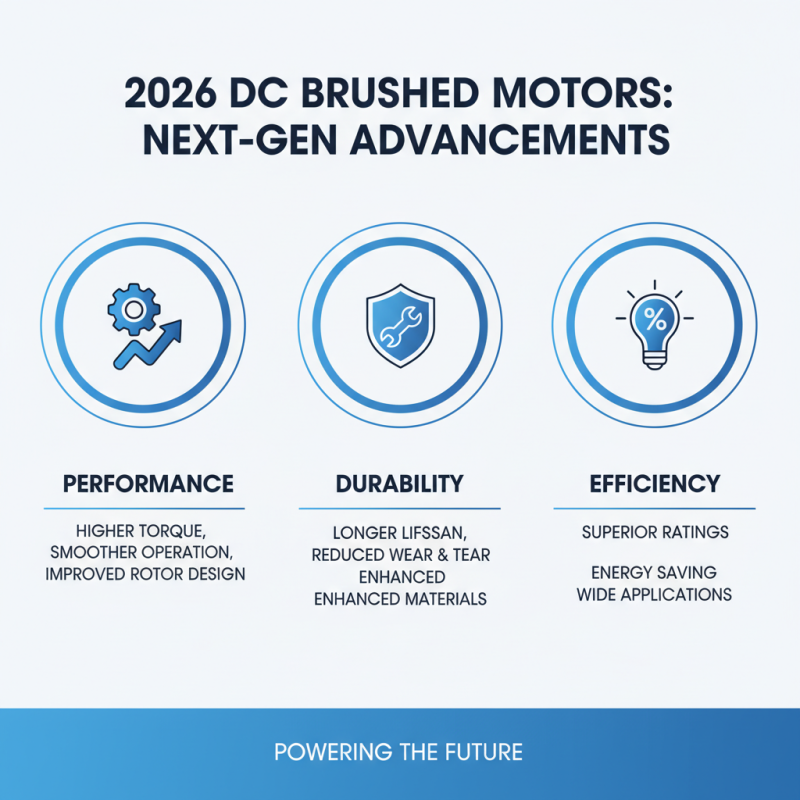
The 2026 models of DC brushed motors promise notable advancements in performance and efficiency. Key features like improved rotor designs contribute to higher torque and smoother operation. Enhanced materials reduce wear and tear, leading to longer lifespans. Efficiency ratings are expected to surpass previous models, making them compelling for various applications.
Thermal management systems will play a crucial role in the upcoming models. Effective cooling ensures that motors can handle heavier loads without overheating. However, users must consider that higher efficiency often comes with increased initial costs. Understanding the balance between upfront investment and long-term savings is essential.
Another feature under development is integrated control systems, which aim to optimize motor performance. These systems may enhance user experience but could complicate repairs. Increased complexity may lead to higher maintenance requirements, challenging some users. As manufacturers strive for perfection, they must also factor in the need for user-friendly solutions.
Top Brands and Their Leading DC Brushed Motor Models
The DC brushed motor industry shows promising trends for 2026. Top brands are developing models that significantly enhance performance and efficiency. For instance, industry reports indicate that the efficiency of modern DC brushed motors has improved to over 85% in many applications. This marks a substantial leap from older models, which often struggled below the 70% threshold.
Leading manufacturers have focused on optimizing designs. For example, advancements in materials have reduced friction and improved heat dissipation. These changes can enhance the overall lifespan of a motor, with reports suggesting a 20% increase in durability. Yet, not all developments meet expectations. Some models still experience efficiency drops under high load conditions. This inconsistency warrants further scrutiny.
Market data highlights that customer demand is growing for compact and lightweight options. This is a crucial direction for the industry. However, fitting more power into smaller frames can lead to overheating issues. Achieving the balance of size, power, and cooling remains an ongoing challenge. As brands strive for innovation, these hurdles must be addressed to maintain trust and reliability.
Comparative Analysis of Performance Metrics in 2026 Models
In 2026, the automotive industry is set to witness a notable shift in the performance metrics of new motor DC brushed models. Recent reports suggest that vehicles equipped with advanced DC brushed motors can achieve a remarkable 15% increase in torque over previous models. This improvement is significant for enhancing vehicle acceleration and overall driving experience.
Efficiency remains a critical metric. Data shows that the latest models can attain an energy efficiency rate of over 90%. This is crucial for reducing operational costs in both personal and commercial vehicles. However, some challenges persist. The heat generation in these motors can impact longevity and performance consistency. Reports indicate that more effective cooling systems are needed to mitigate this issue.
When comparing current models with those from previous years, manufacturers are focusing more on user experience. Features like improved responsiveness and lower noise levels are highlighted. However, the trade-off between performance and cost remains a key consideration. While performance is outstanding, affordability for the average consumer poses a dilemma that requires deeper consideration.
Future Trends in DC Brushed Motor Technology and Design
The future of DC brushed motor technology is promising yet challenging. Reports indicate a consistent growth rate in the market, projected to reach $12 billion by 2026. This demand is driven by increased applications in robotics and automation systems. Such environments require motors that can deliver high torque with minimal energy loss, emphasizing improved efficiency.
Design innovations focus on materials and winding techniques. The shift towards lightweight composites and advanced magnetic materials enhances performance. However, the challenge remains regarding longevity. DC brushed motors typically face wear due to brush friction. Addressing this wear is crucial for extending operational life. Some designs experiment with hybrid brush systems, aiming to reduce maintenance frequency.
There is also an increasing emphasis on sustainability. Reports suggest that more companies prioritize eco-friendly manufacturing processes and recyclable materials. Yet, the industry faces scrutiny over the environmental impact of non-recyclable components. Balancing performance and ecological responsibility is still a work in progress. Companies need to rethink their design philosophies to adapt to these trends effectively.